




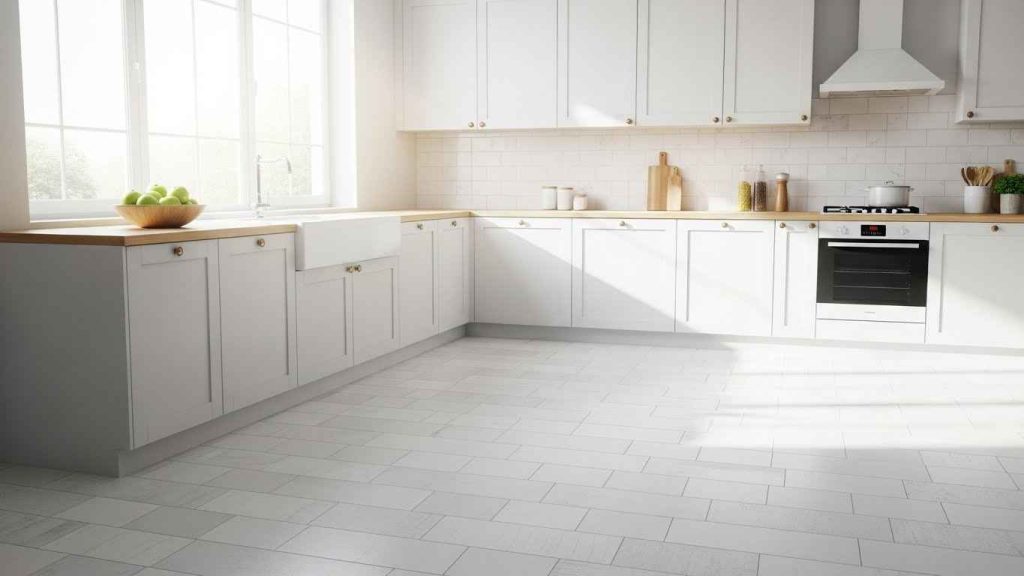

White kitchen tiles are a classic choice for good reason. They reflect light and make a space feel larger. But white does not have to mean plain. By playing with texture, pattern, and finish, you can create a kitchen that is both timeless and full of character. This list shows how different white tiles can transform your cooking space from simple to special.
1. Classic White Subway Tile
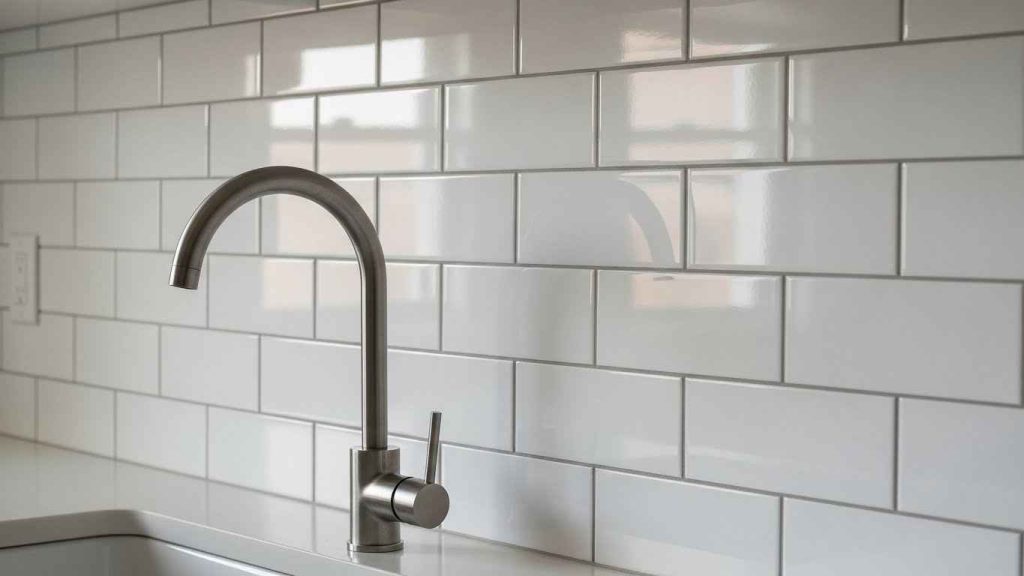

This is the most common white tile for a reason. Its simple rectangular shape and standard layout create a clean, orderly look. It works with almost any cabinet color and style. For a custom touch, choose a colored grout instead of standard white. A dark gray grout makes each tile stand out. You can install a subway tile backsplash yourself over a weekend. It is a very forgiving project for beginners.
2. Textured Brickwork Tiles
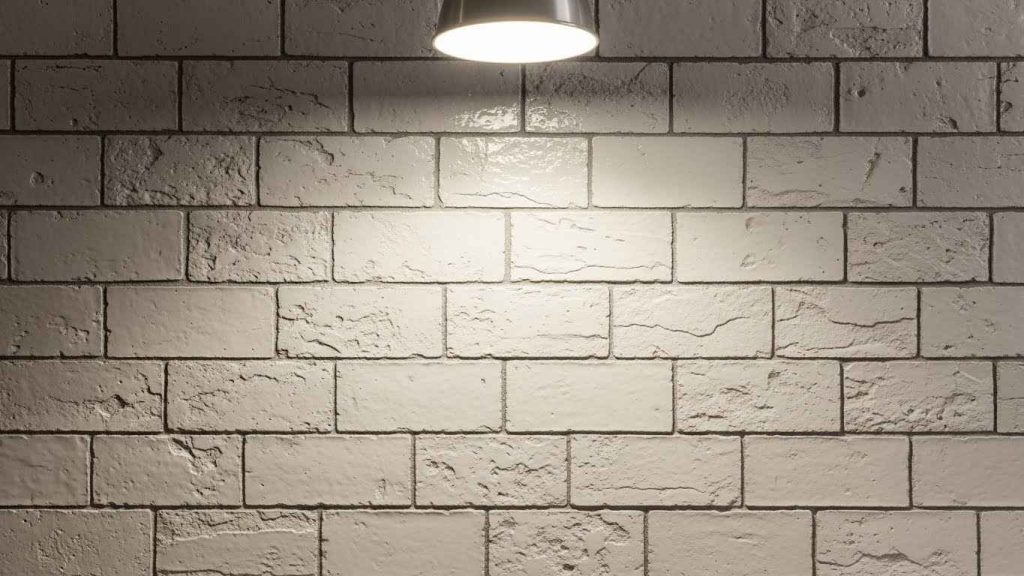

These tiles add a raw, artisanal feel to your kitchen. The texture mimics old brick or handmade clay, bringing warmth to the white color. They are perfect for creating a feature wall behind the stove. The uneven surface helps hide minor splatters and smudges. Look for tiles with slight color variation for a more authentic look. You can often find these tiles at local masonry suppliers for a good price.
3. Herringbone Pattern Perfection
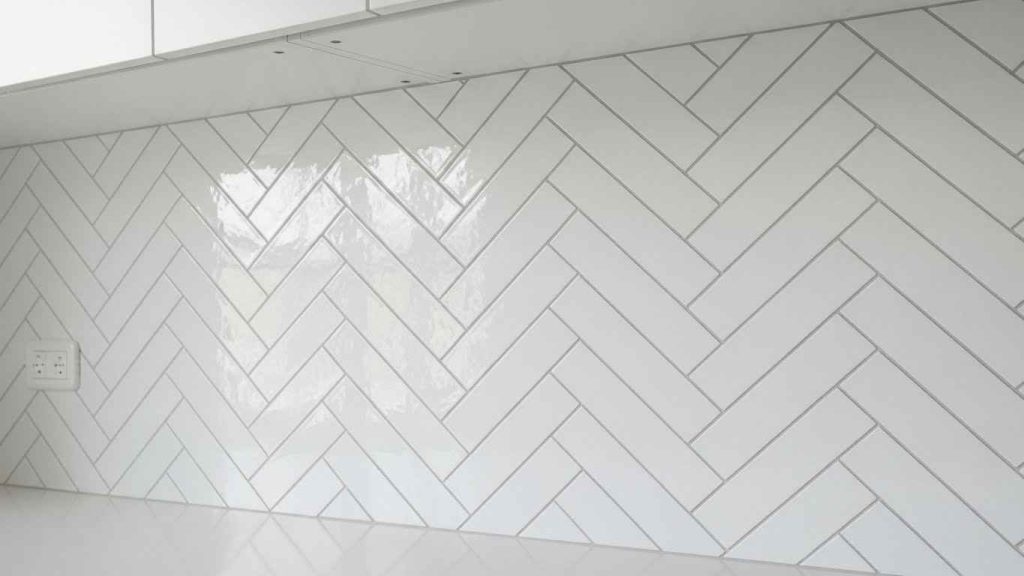

The herringbone pattern turns simple tiles into a statement. The V-shaped layout adds movement and visual interest to your walls. It works beautifully with both matte and glossy finishes. While it looks complex, you can achieve this look with standard subway tiles. Using a pre-spaced tile mat can make the installation much easier and faster for a DIY project. This small change in pattern makes a big impact.
4. Marble Vein Large Format Tiles
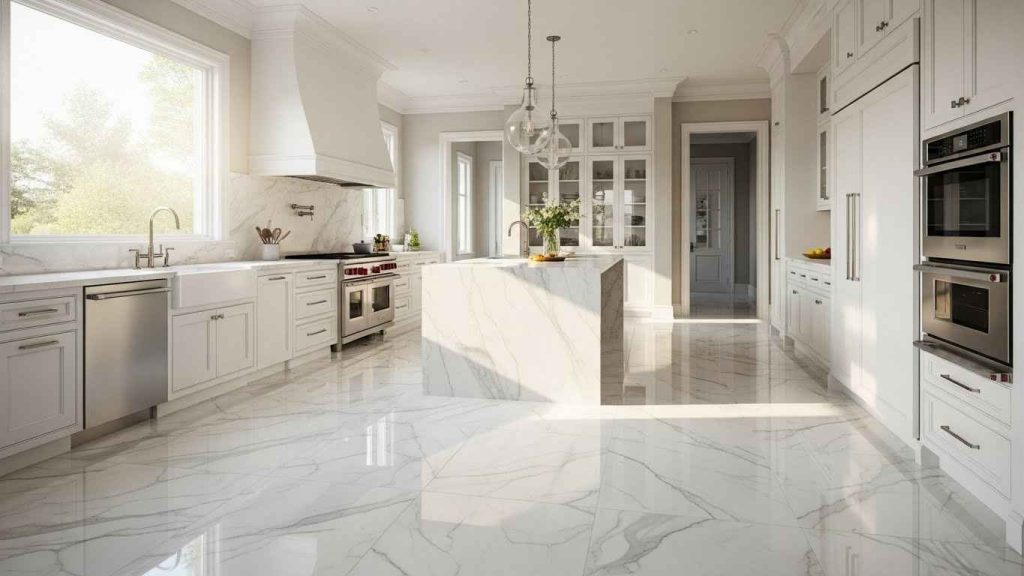

Large format tiles make a small kitchen feel bigger by reducing grout lines. When they feature subtle marble-like veins, you get a high-end look without the cost and maintenance of real marble. These tiles are also very easy to keep clean. Porcelain tiles that mimic marble are a practical and budget-friendly alternative. Fewer tiles also mean a quicker installation, which can save on labor costs if you hire a professional.
5. Hexagonal Honeycomb Tiles
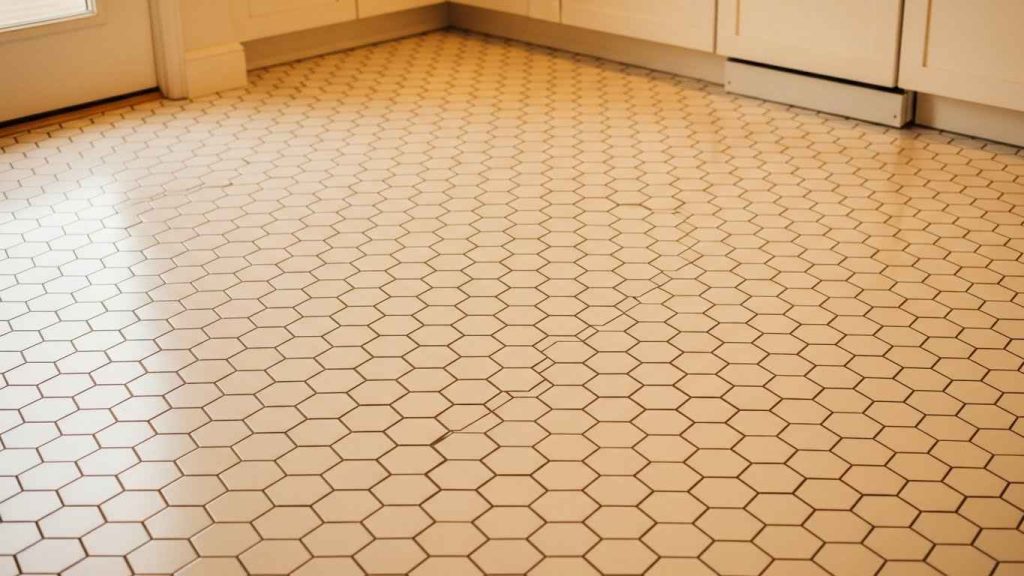

Hexagon tiles bring a fun, geometric shape to the floor or backsplash. The pattern is eye-catching but still feels classic. They work well in both modern and traditional homes. Using white keeps the look bright and open. For a budget-friendly update, use hexagon tiles just on a small backsplash area. You can find self-adhesive hexagon tile sheets that are simple to install over a existing smooth surface.
6. Moroccan Zellige-Inspired Tiles
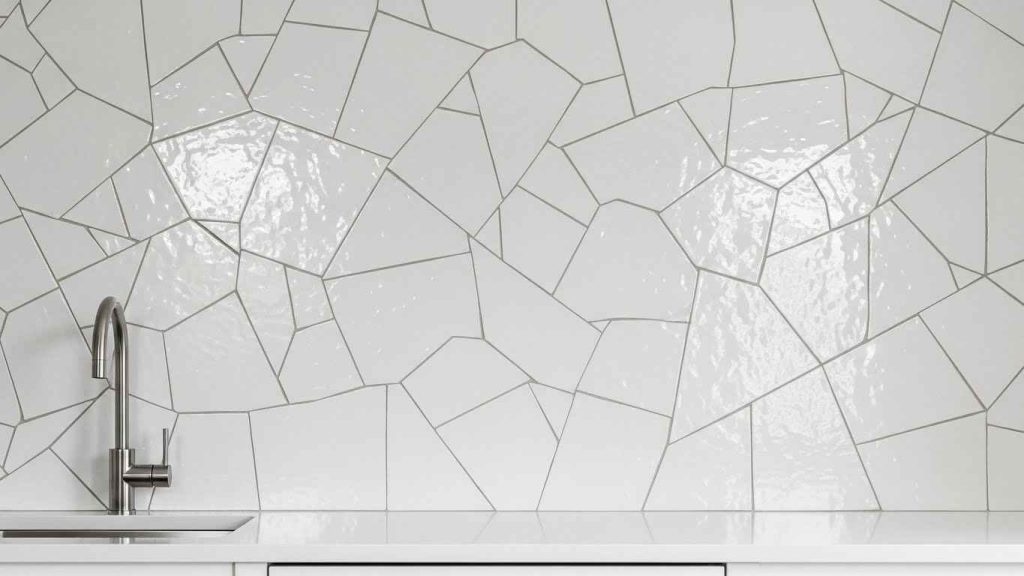

These tiles are known for their slight size and surface variations. No two tiles are exactly alike, which gives your wall a unique, handcrafted look. The glossy finish catches the light beautifully. The imperfections are part of the charm and help hide everyday wear. Embrace the variation for a truly authentic feel. You can mix tiles from different boxes during installation to ensure a good blend.
7. Sleek Glossy White Tiles
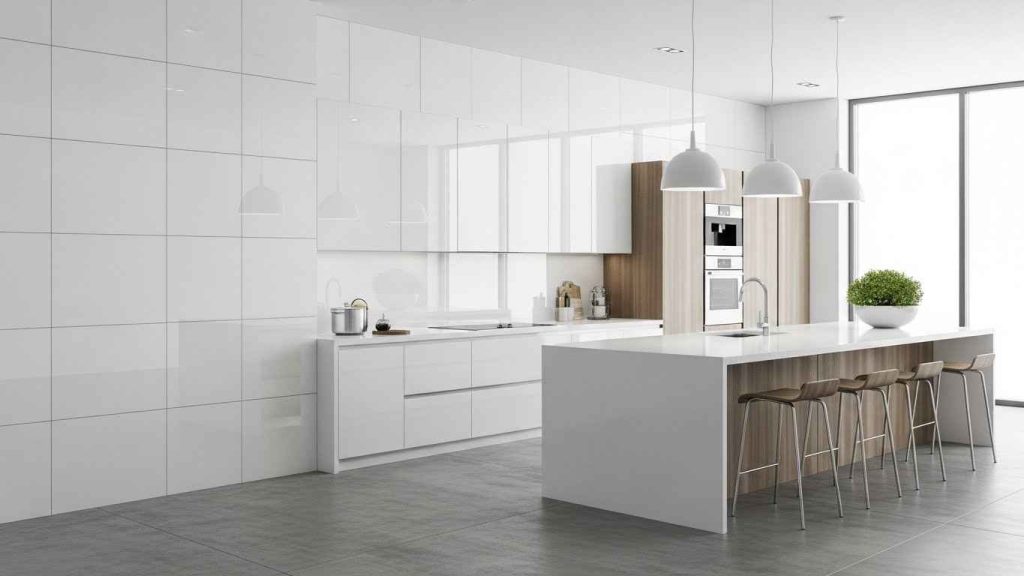

Glossy tiles are brilliant for making a dark kitchen feel brighter. Their reflective surface bounces light around the room. They are also very easy to wipe clean from cooking splatters. To avoid a sterile look, pair them with warm-toned wood cabinets or brass hardware. A glossy tile is a smart choice for small kitchens because it enhances the sense of space. Keep a squeegee handy for a streak-free clean.
8. Hand-Painted Tile Accents
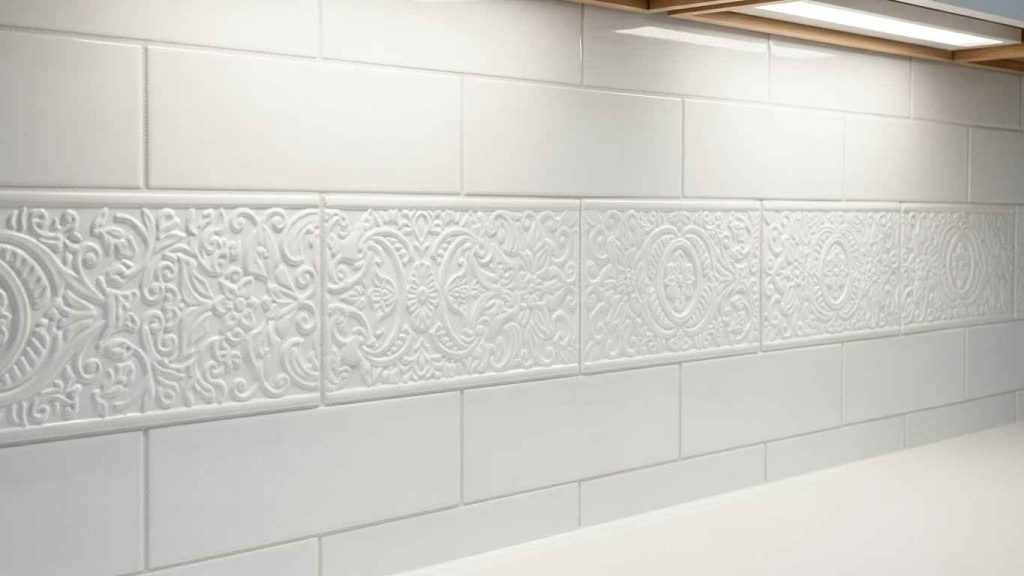

Introduce a personal touch with hand-painted tiles. You can use them as a single decorative band within a field of plain tiles. The designs are often raised, adding a subtle texture. This approach lets you add art without overwhelming the space. Create your own accent tiles using porcelain paint markers on plain white tiles. This is a very affordable way to get a custom, one-of-a-kind look.
9. Beveled Edge Subway Tiles
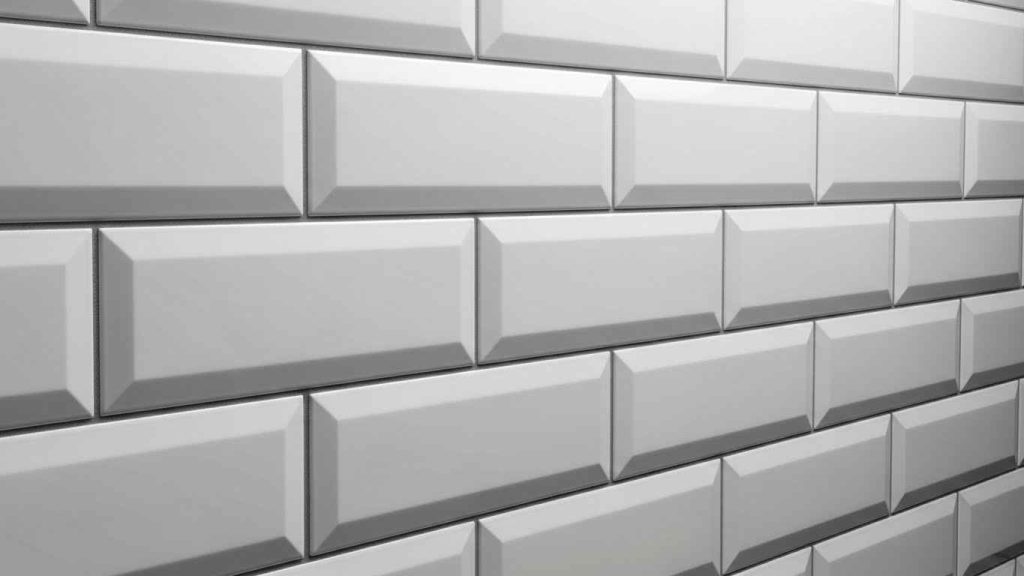

A beveled edge adds dimension to the classic subway tile. The angled cut on each tile creates subtle shadow lines that change with the light. This detail makes the wall feel more dynamic and less flat. It is a simple way to upgrade a standard design. You can find beveled subway tiles at most home improvement stores. The installation process is the same as for flat tiles.
10. Crackled and Distressed Finishes
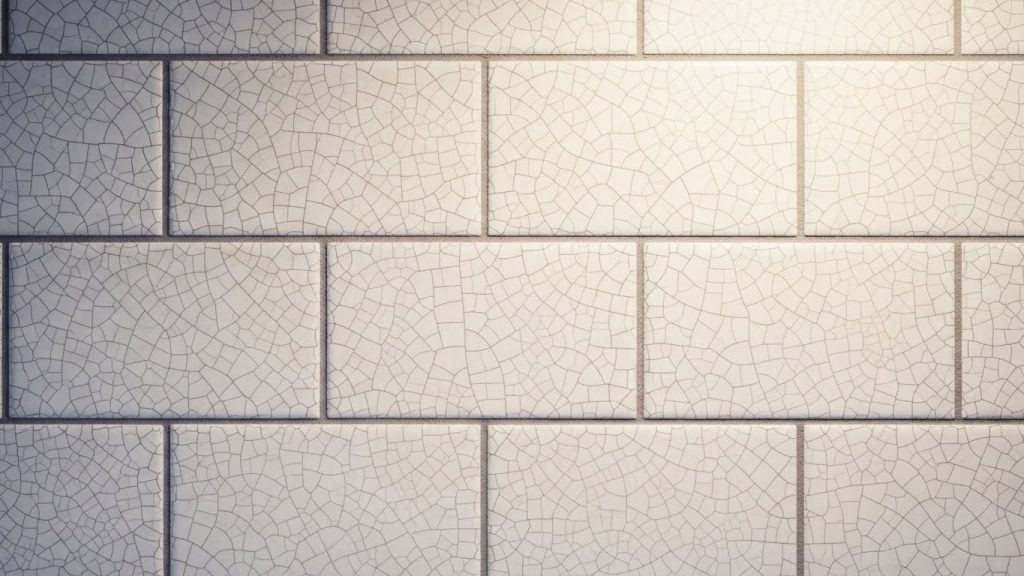

These tiles have a finish that intentionally looks aged and crackled. They are perfect for creating a rustic, country-style kitchen. The complex surface pattern is great at hiding stains and water spots. This finish is low-maintenance because it does not show every little mark. You can often find these tiles at salvage yards or as overstock items from manufacturers, making them a cost-effective option for a character-filled kitchen.
11. Geometric Patterned Tiles
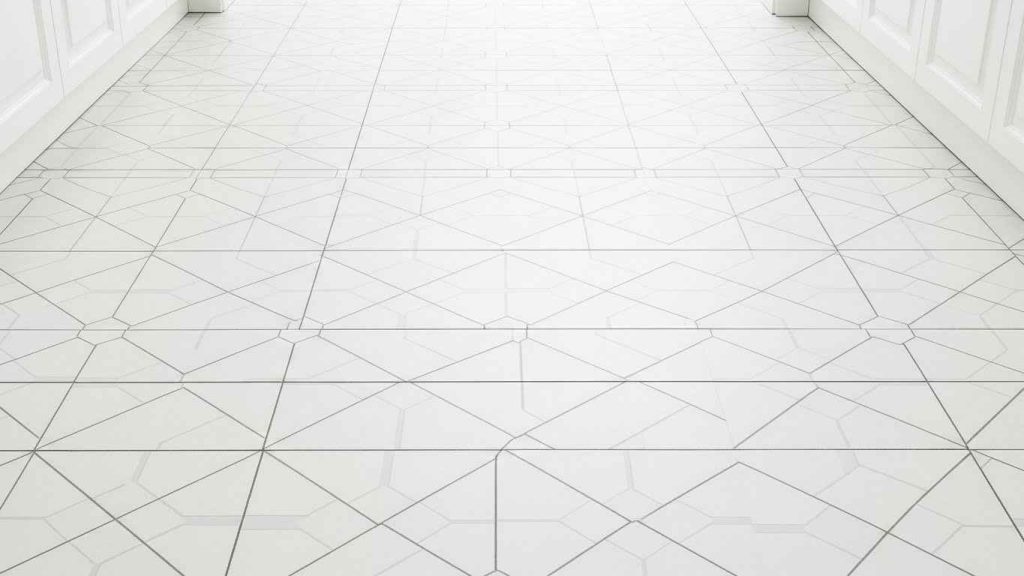

For a bold, modern statement, choose tiles with geometric patterns. Think stars, triangles, or other interlocking shapes. Using white keeps the look graphic but not overwhelming. This type of tile works best as a focal point on a floor or a single wall. To save money, use geometric tiles in a smaller area, like a pantry floor or behind open shelving. This contains the pattern and the cost.
12. Mosaic Tile Backsplashes
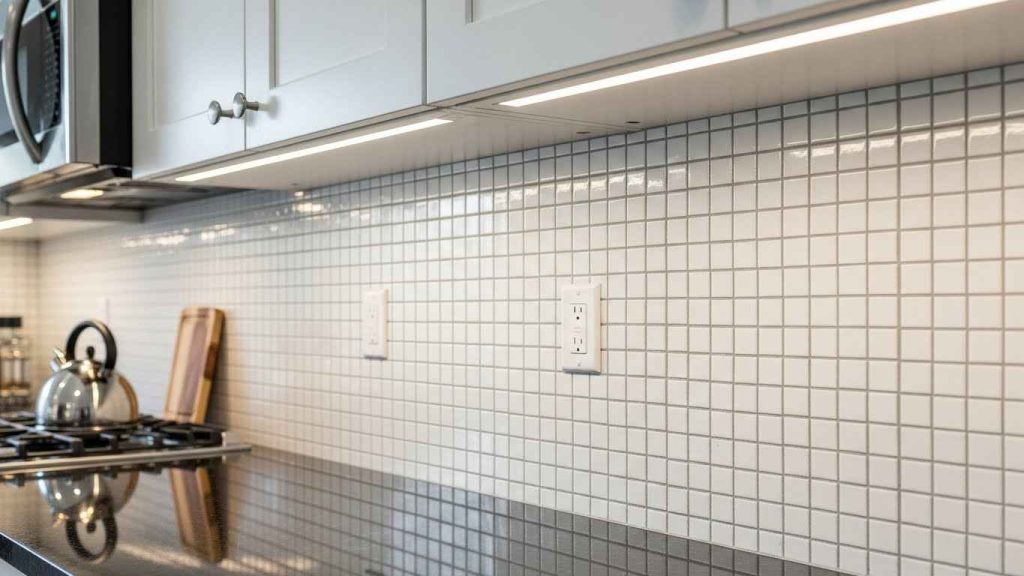

Mosaic tiles are small pieces mounted on sheets for easy installation. A white mosaic backsplash creates a fine, allover texture that is very practical. The numerous grout lines provide extra grip, which is useful behind a countertop. Mosaic sheets make DIY installation straightforward. You can cut the sheets to fit around outlets and corners. This is a great way to cover an uneven wall without extensive preparation.
13. High-Contrast Grout Lines
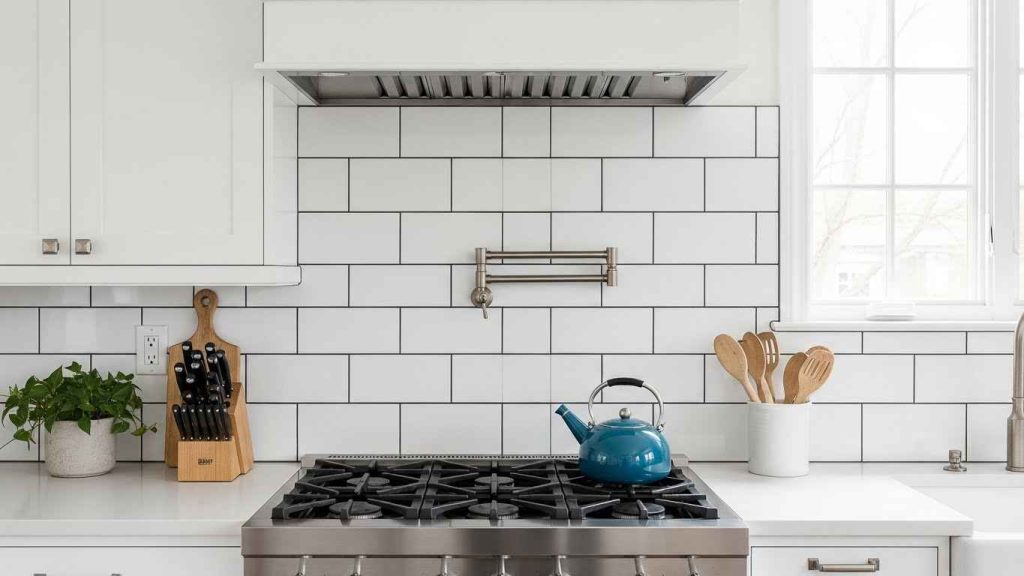

The color of your grout can change the entire look of your tile. Using a dark grout with white tiles creates a strong, graphic pattern. It also makes practical sense, as dark grout does not show stains as easily as white grout. This is a very low-cost way to customize your tile. You can regrout existing white tiles with a dark color to give your kitchen an instant update.
14. Stacked Stone Tiles
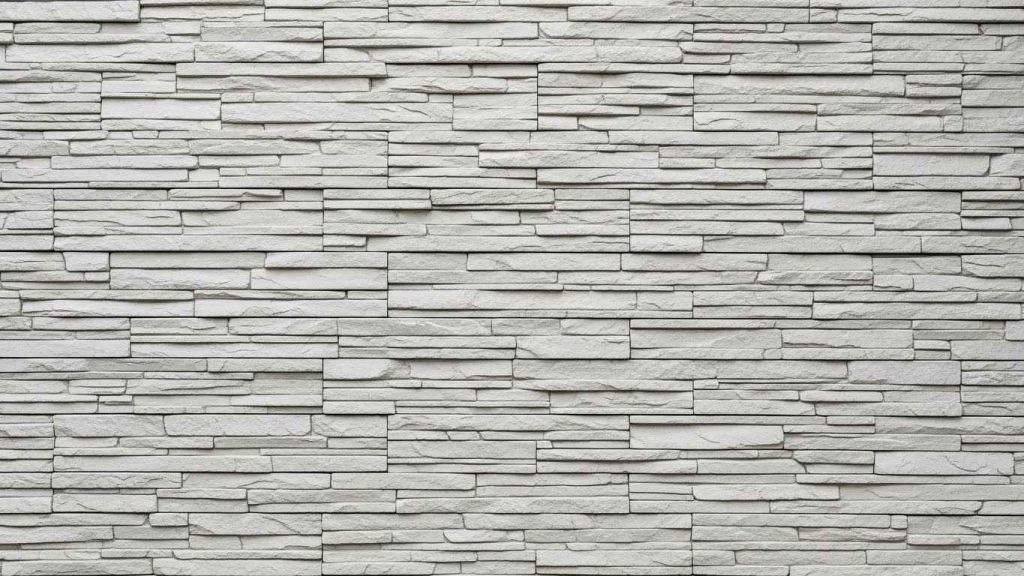

For a truly rustic feel, consider stacked stone tiles. These are slices of natural stone that create a layered, rock-wall effect. White stone, like white quartzite, keeps the look light. The texture is pronounced and adds a natural element. Seal stone tiles properly to protect them from kitchen grease and moisture. This is a job you can do yourself with a bottle of sealant and a paintbrush.
15. Penny Round Mosaic Tiles
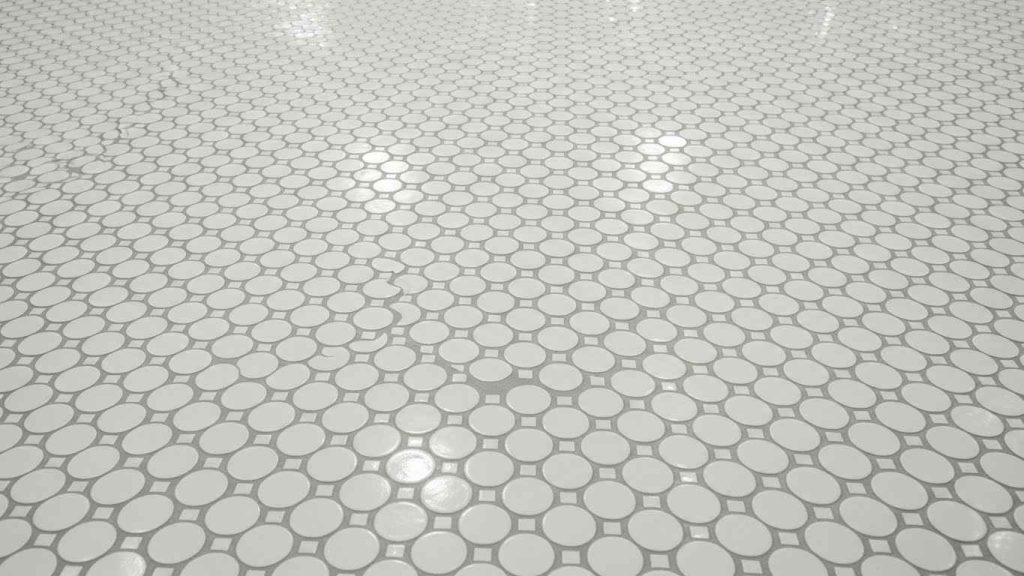

Penny rounds are small, circular tiles that create a soft, bumpy texture. They have a charming, vintage feel that works well in cottage-style kitchens. The many grout lines make them a good non-slip option for floors. Using sheets of penny rounds simplifies the installation. The uniform sheets mean you do not have to place each tiny circle individually. This makes a complex-looking project achievable for a DIYer.
16. Fish Scale Tiles
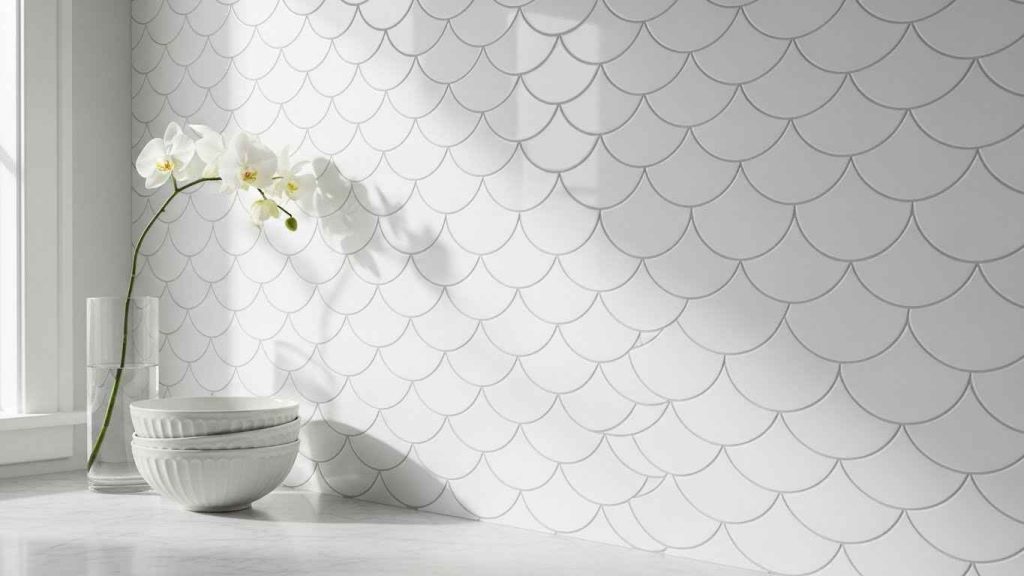

Fish scale tiles, also known as mermaid scales, add a beautiful, organic pattern. The overlapping curved shapes create a sense of movement. In a bright white, the effect is elegant and subtle. This pattern looks especially beautiful as a backsplash behind a range. Start with a pre-made decal or stencil if you want to test the pattern before committing to tile. You can paint a fish scale pattern directly onto a wall as a trial.
17. Glossy vs. Matte Finishes
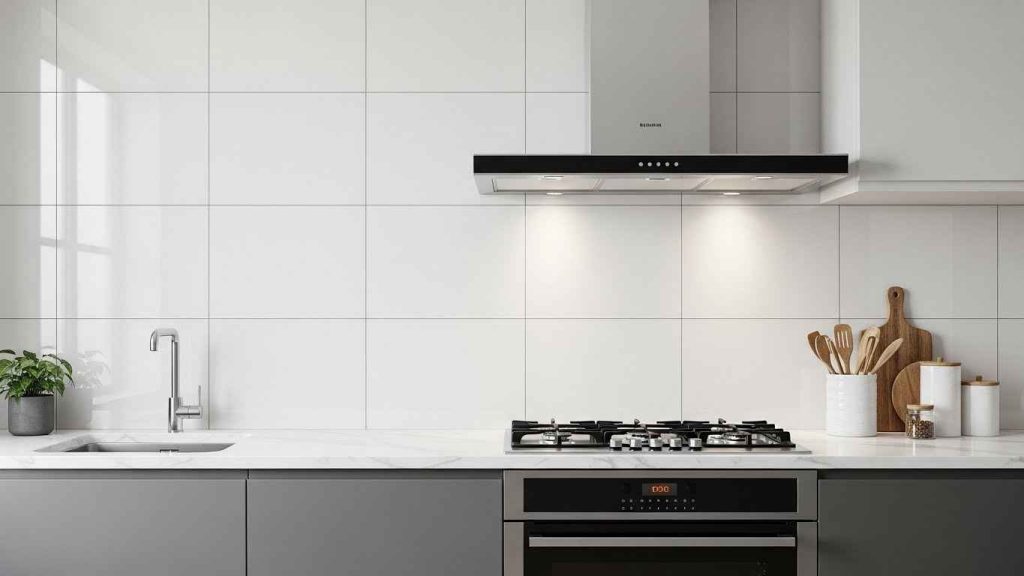

The finish of your tile affects both the look and function. Glossy tiles reflect light and are easy to clean. Matte tiles absorb light, hide smudges better, and have a more modern, soft feel. Consider a matte finish for high-splash areas like behind the sink, as it shows water spots less. You can mix finishes in one kitchen—glossy on the backsplash and matte on the floor, for example.
18. Arabesque Pattern Tiles
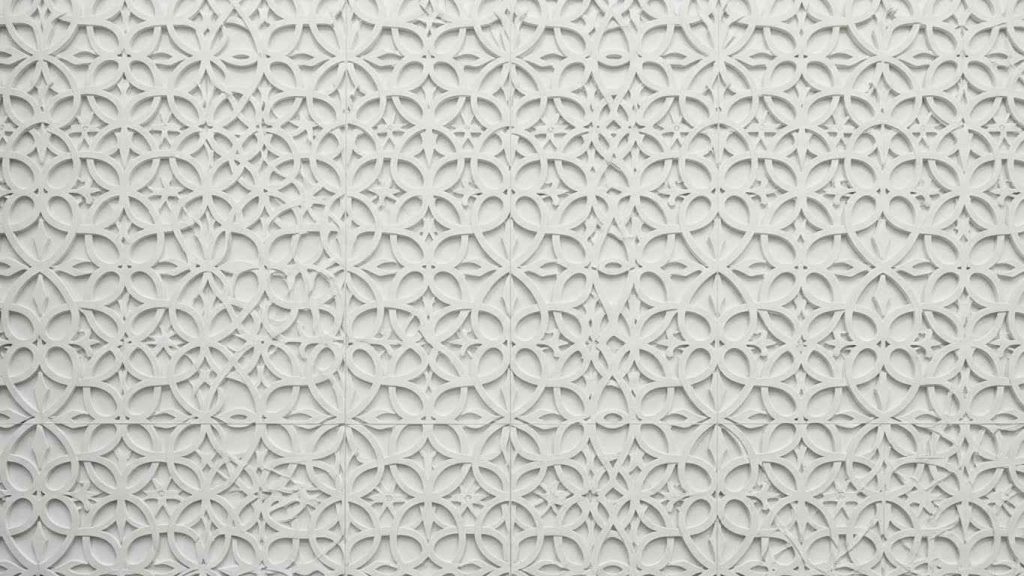

The Arabesque pattern features elegant, curved shapes that fit together like a puzzle. It brings a touch of luxury and history to a kitchen. The complex shape looks expensive, but you can find many affordable porcelain versions. Use this pattern as a focal point to draw the eye. Installing it just on the range wall keeps the project manageable and makes a strong style statement.
19. Linen-Textured Tiles
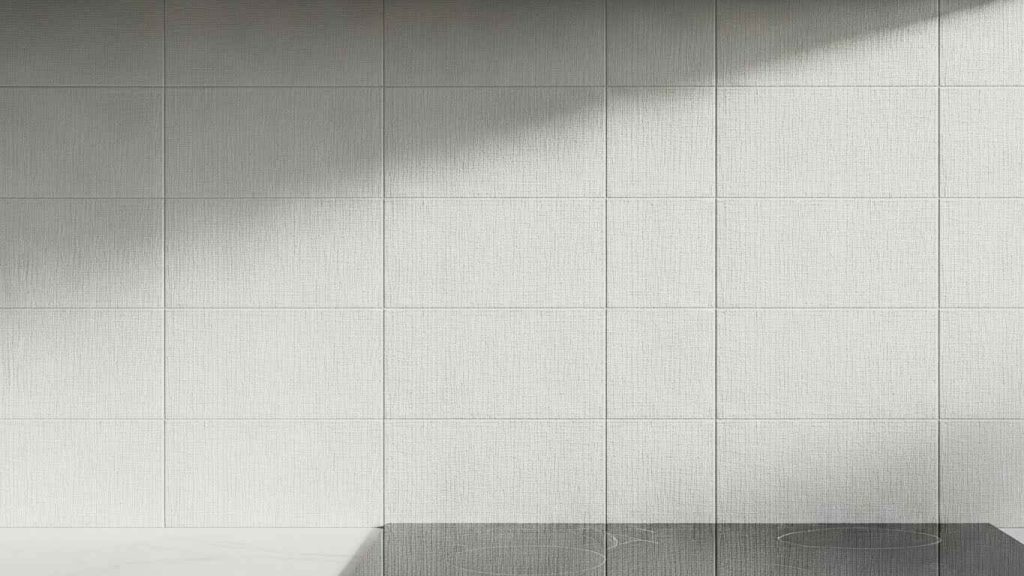

These tiles have a surface that mimics the weave of linen fabric. It adds a soft, subtle texture that feels warm and inviting. The texture helps to diffuse light gently and hides fingerprints well. This is a great way to add interest without a bold pattern. Clean textured tiles with a soft brush to avoid trapping dust in the grooves. A small handheld brush works perfectly for this quick task.
20. Terrazzo-Style White Tiles
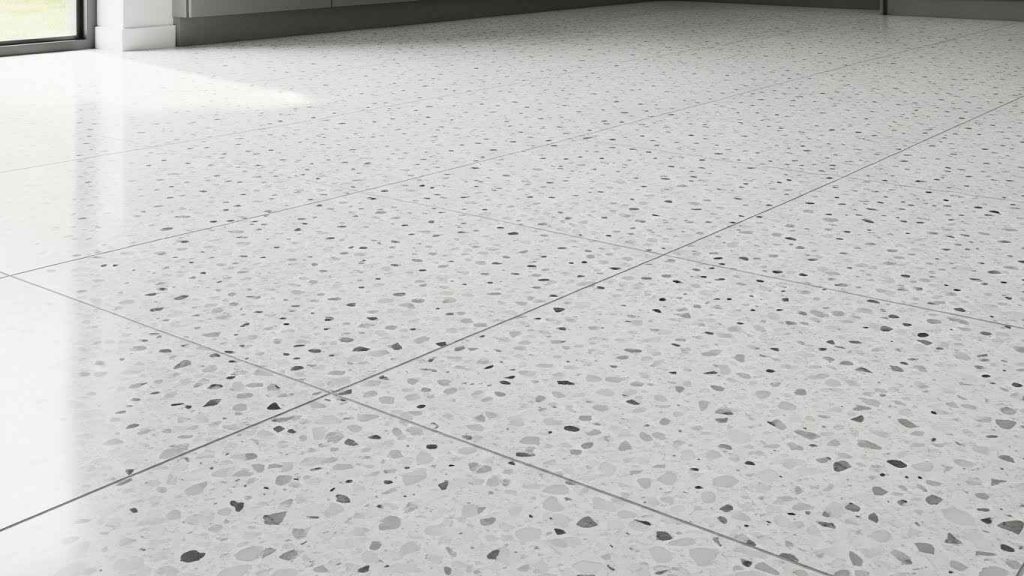

Terrazzo is a composite material with chips of stone or glass set in it. White terrazzo-style tiles have a playful, speckled look. They are very durable and great for high-traffic kitchen floors. The pattern is busy enough to hide dirt between cleanings. Look for terrazzo-look porcelain tiles which offer the style at a fraction of the cost of real terrazzo. They are also much easier to install.
21. 3D Textured Wall Tiles
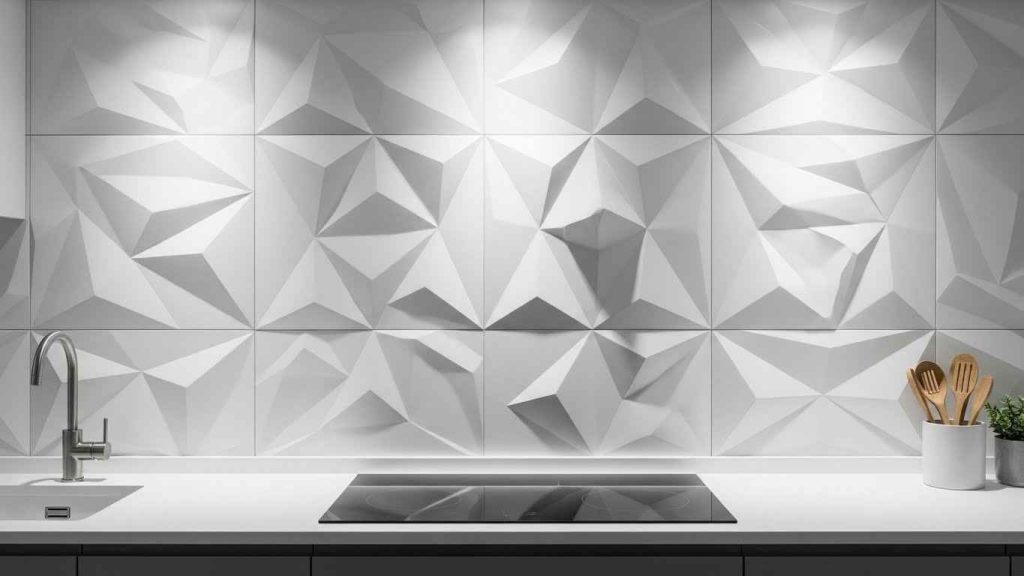

3D tiles have shapes that project out from the wall. This creates dramatic shadows and a highly tactile surface. In all white, the effect is sculptural and modern. They make a stunning feature wall. Install 3D tiles on a flat, smooth surface for the best result. Because they are a statement on their own, you only need to cover a small area to get a big impact.
22. Basketweave Pattern Tiles
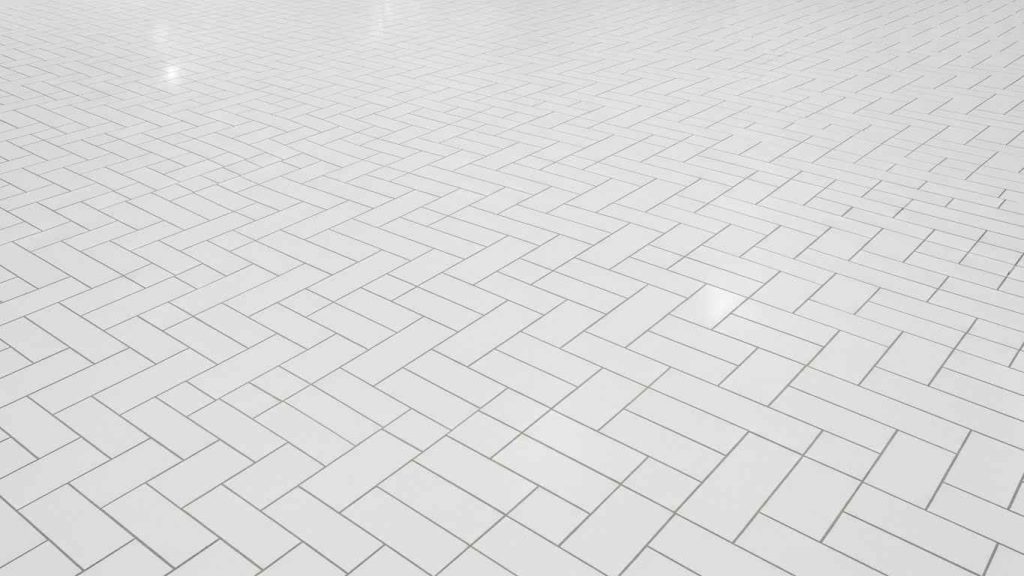

The basketweave pattern consists of rectangular tiles arranged to look like woven strands. It is a classic pattern that adds texture without being flashy. It works well on both floors and walls. The pattern is visually interesting but still feels neutral. This pattern often comes pre-arranged on mesh sheets, which makes it a realistic DIY flooring project. The sheets handle the complex layout for you.
23. Cement Look Tile
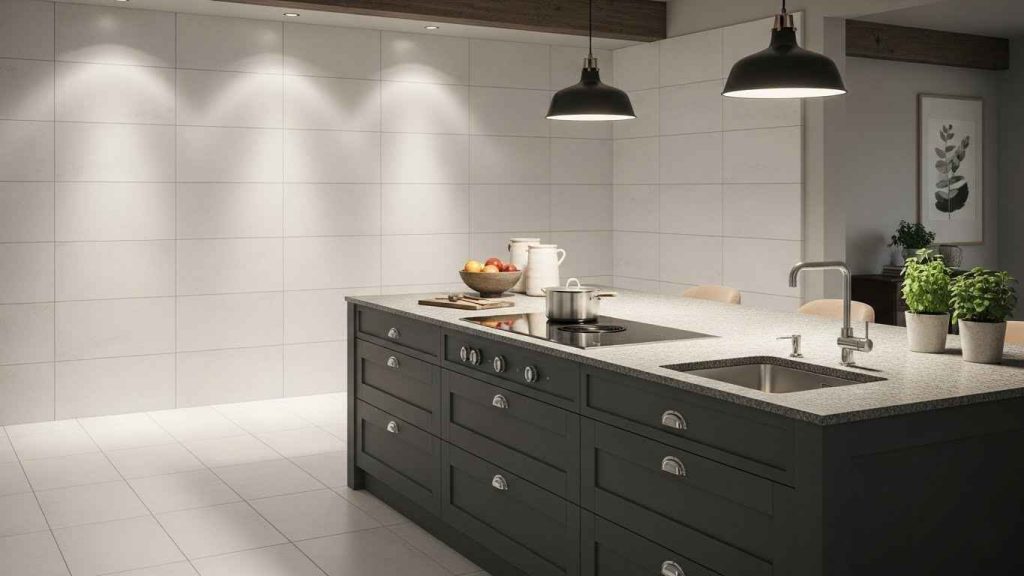

Cement-look tiles give you an industrial, loft-style aesthetic. In white, the look is softened and bright. The matte, often slightly uneven surface has a modern, artistic quality. Seal cement-look tiles to protect them from spills and stains, even if they are porcelain. A simple application of sealant will make them much easier to maintain in a busy kitchen environment.
24. Art Deco Geometric Tiles
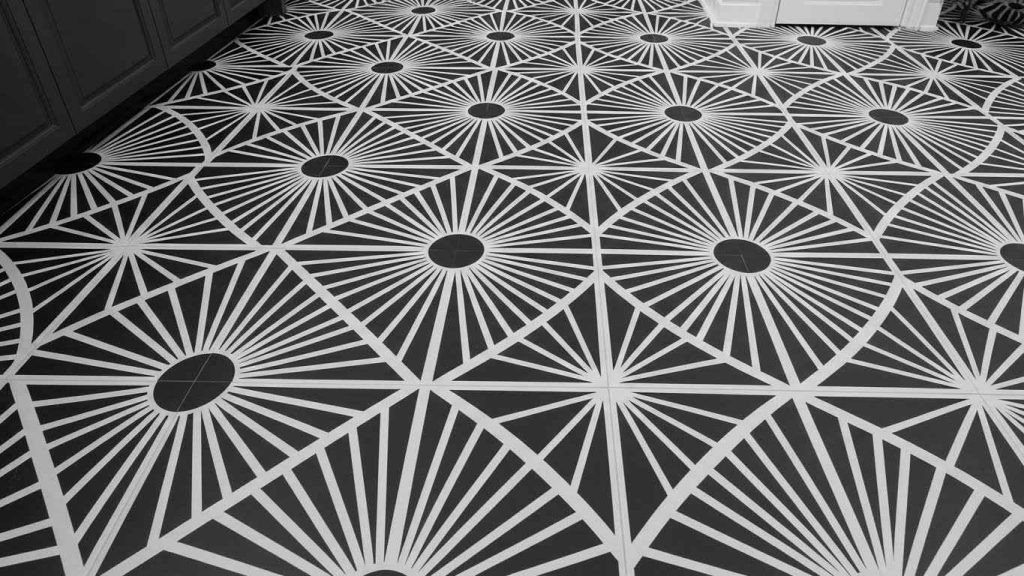

Art Deco patterns are characterized by bold geometry, zigzags, and sunbursts. A black and white color scheme is classic for this style. It creates a high-contrast, dramatic floor. Use patterned tile as a rug by framing a central area on your floor with a border of plain tiles. This reduces the amount of expensive patterned tile you need to buy and creates a defined area.
25. Layering Different White Tiles
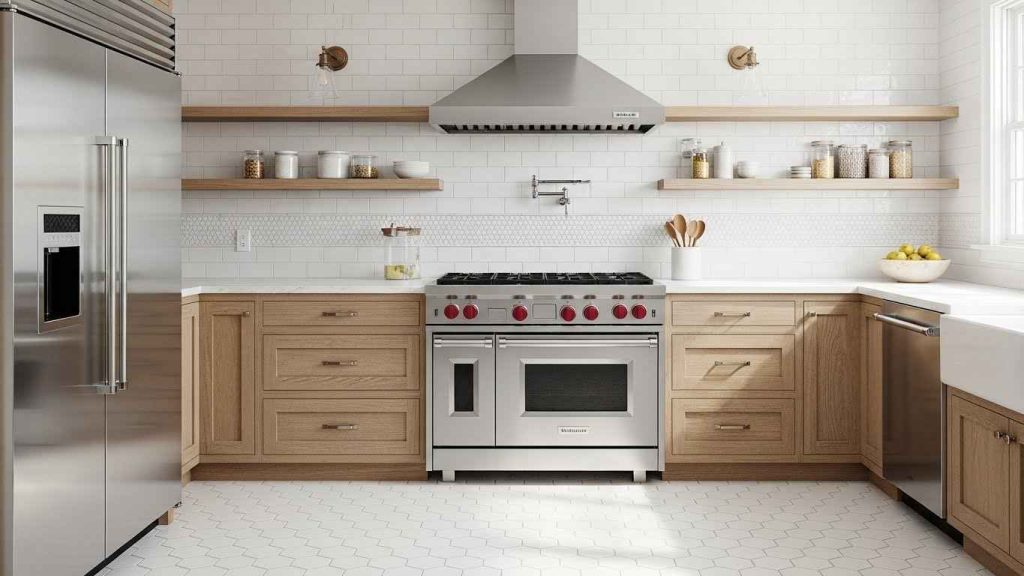

You do not have to choose just one white tile. Combining different textures and patterns can add depth and personality. The key is to keep the color white consistent. Try a matte tile on the floor and a glossy one on the backsplash. Stick to one dominant pattern and use others as accents. For example, use a patterned tile behind the stove and a simple subway tile everywhere else on the backsplash.
Start with one small area, like a backsplash. Choose a tile that makes you happy every time you see it. A simple change can refresh your entire kitchen. You can always build on it later.