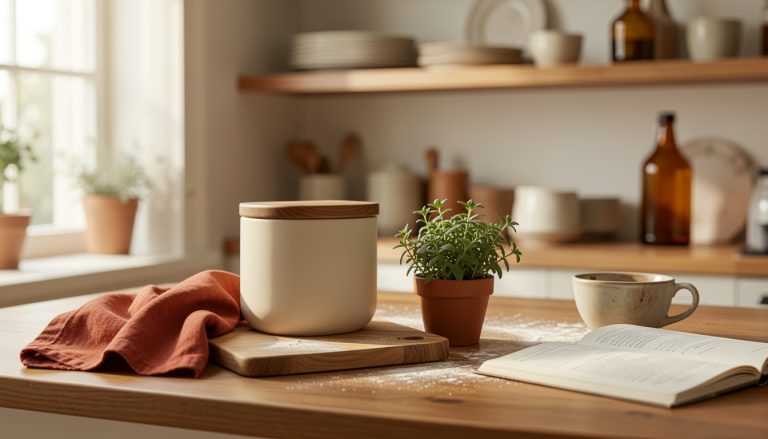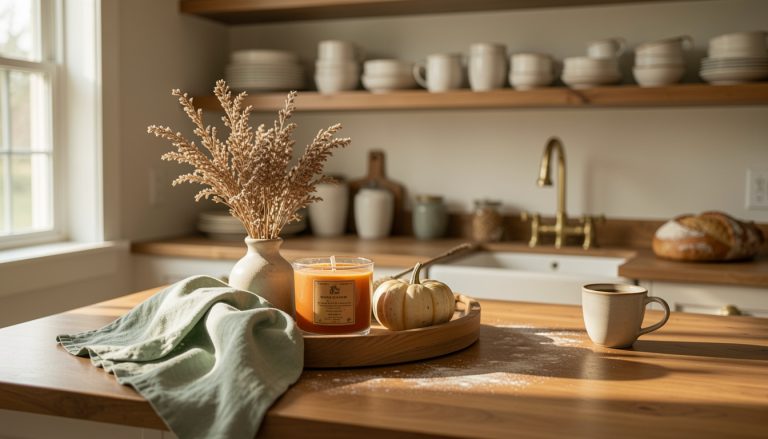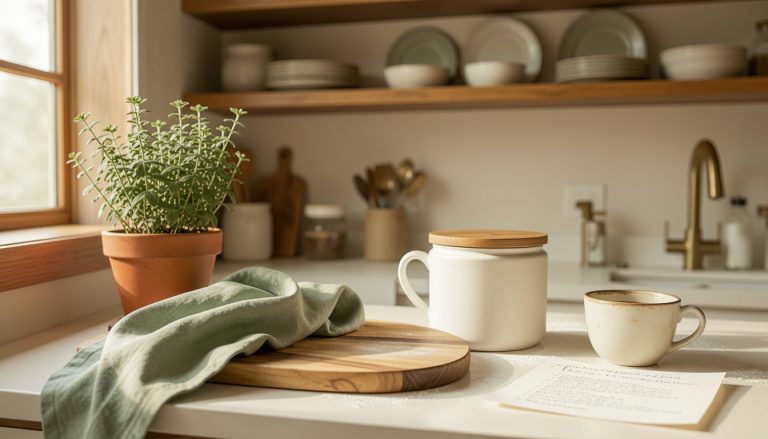





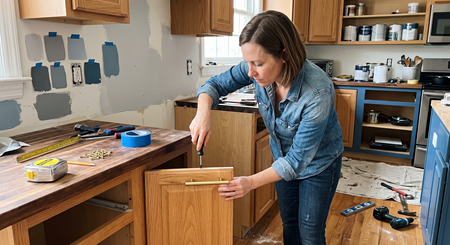


A white Scandinavian kitchen is more than just a color scheme. It is a feeling of light, space, and quiet order. This style focuses on clean lines, natural materials, and a lack of clutter. The goal is to create a room that feels both functional and deeply restful. It is a kitchen that serves as a calm center for your home, free from visual noise and stress.
1. The Quintessential White Scandinavian Kitchen
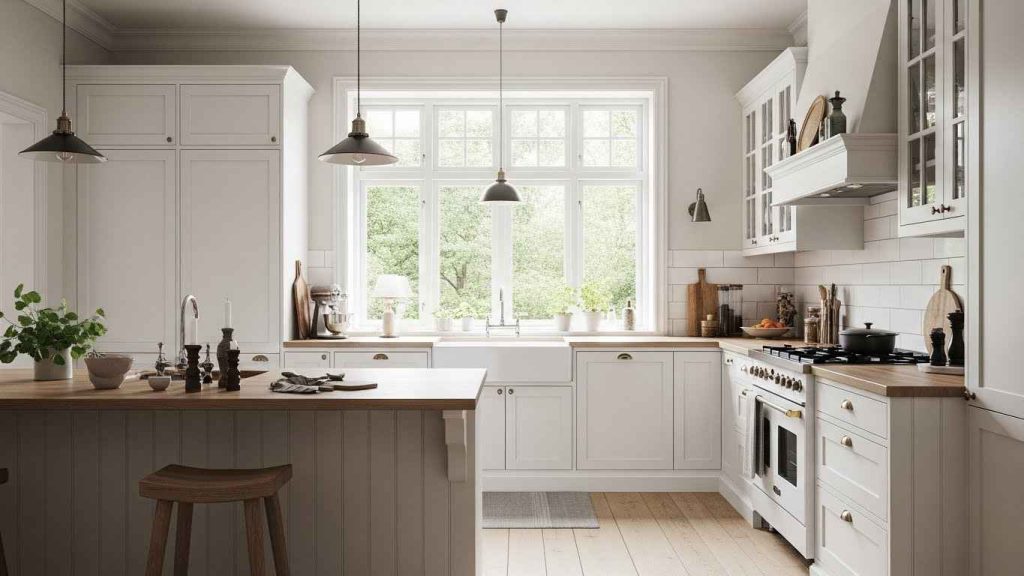

This is the foundation of the style. Think clean, bright, and simple. The focus is on function and creating a sense of airy openness. White walls and cabinets reflect light, making even small spaces feel larger. Choose a warm white paint instead of a stark, clinical one to avoid a cold feeling. This keeps the room feeling inviting. A simple DIY tip is to paint your existing cabinets with a hard-wearing, washable white paint. It is a cost-effective way to achieve this classic look.
2. Embrace the Power of White-on-White
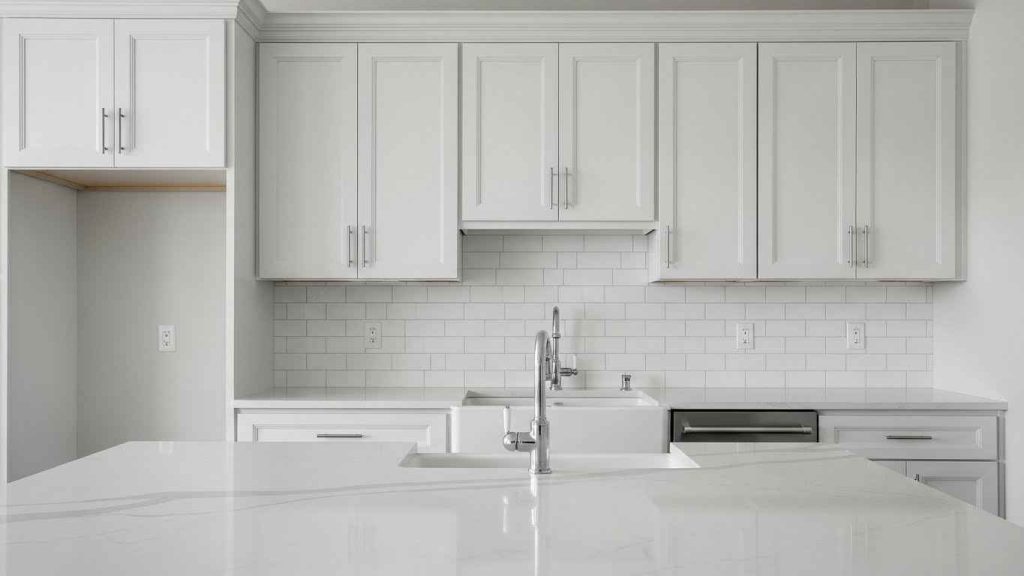

Using different shades of white adds depth and sophistication. Combine a bright white for cabinets with an off-white on the walls. Introduce different materials like matte tiles, glossy countertops, and linen curtains. This creates a rich, layered effect that is far from boring. Mix and match white textures to build visual interest. For a budget-friendly approach, use white subway tile for the backsplash and pair it with a white quartz-look laminate countertop.
3. Textural Harmony with Wood and Stone
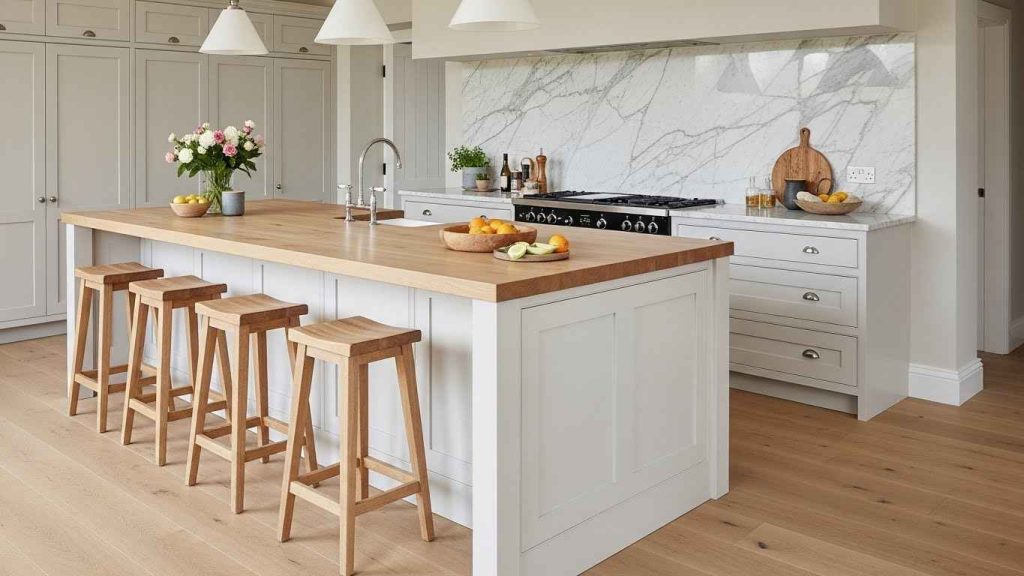

Wood and stone bring essential warmth and texture to balance the white. A light wood floor or a wood-topped island introduces a natural element. A stone countertop or backsplash adds a unique, organic pattern. These materials keep the space from feeling too sterile. Introduce wood with open shelving or a cutting board. You can find budget-friendly wood-look vinyl flooring that beautifully mimics the appearance of light oak.
4. Open Shelving for an Airy Feel
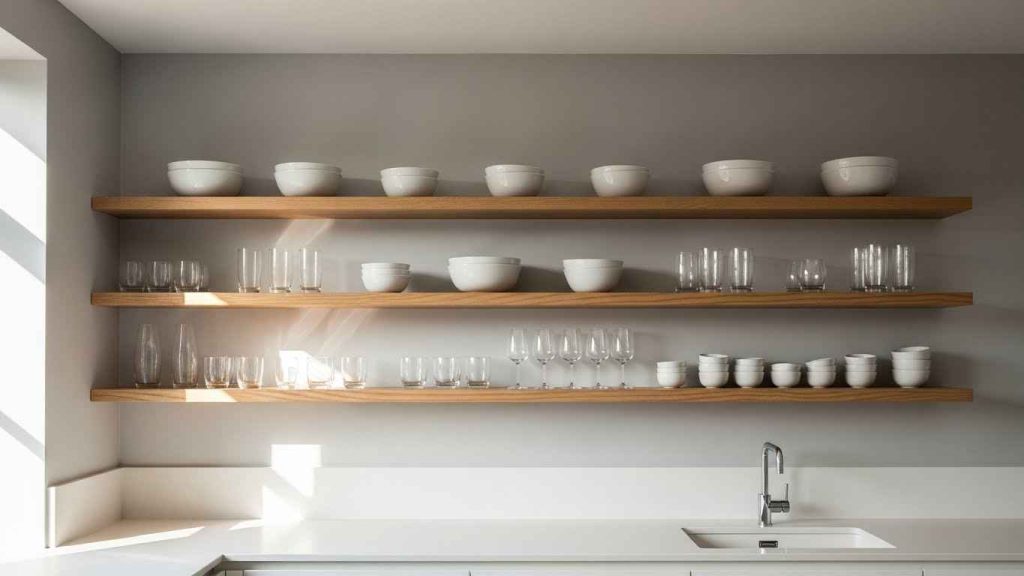

Open shelves create a sense of visual lightness. They break up the solid wall of cabinetry and make a room feel less enclosed. This approach encourages you to keep only your most beautiful and useful items on display. It promotes a clutter-free mindset. Style shelves with a few curated items. A DIY project could involve installing simple wooden brackets and sanded pine boards from a hardware store.
5. The Beauty of a Minimalist Kitchen Island
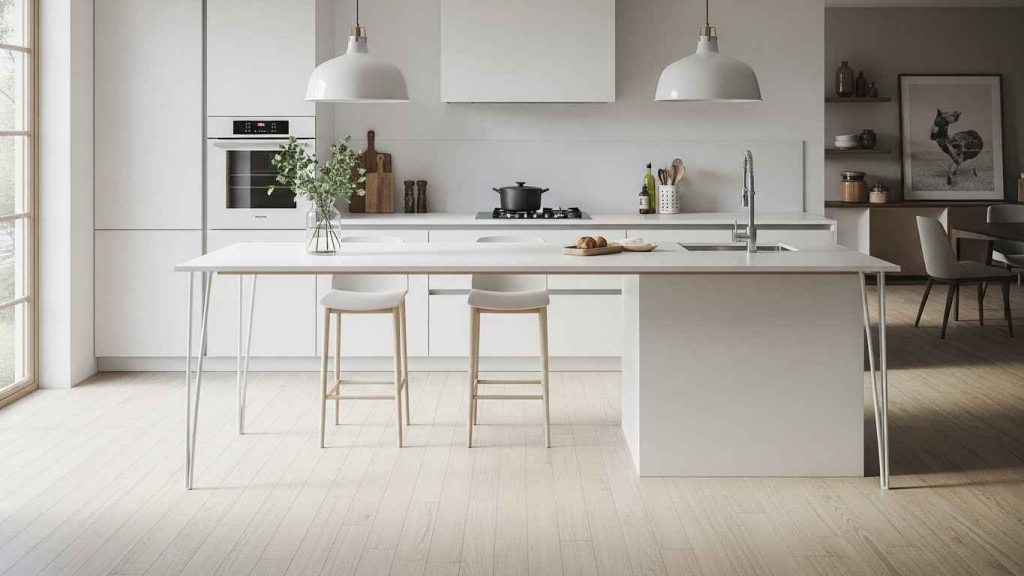

A kitchen island serves as a practical hub. In a Scandinavian kitchen, its design is clean and unfussy. It often features a contrasting countertop material or open shelving below. This provides extra storage and prep space without visual weight. Choose an island with a slim profile. For a budget-friendly solution, use a freestanding, furniture-style island that you can move as needed.
6. Sleek and Handle-Less Cabinet Fronts
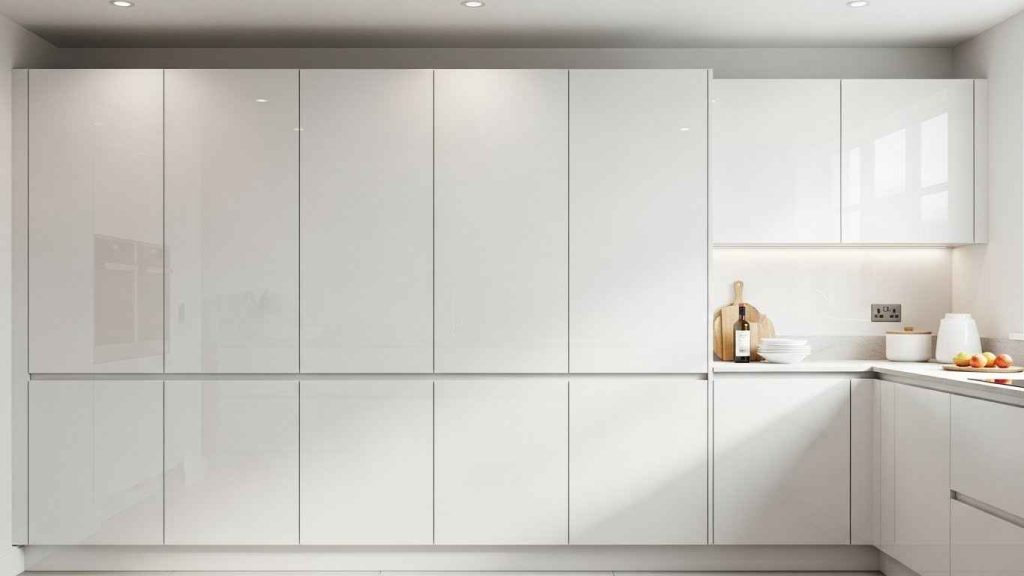

Handle-less cabinets, often with integrated finger pulls, contribute to a seamless look. This minimalist detail eliminates visual clutter and makes cleaning easier. The continuous lines make the kitchen feel calmer and more organized. This is a key feature of modern Scandinavian design. Look for cabinets with a integrated grip channel. You can achieve a similar DIY look by adding J-pull handles to the top inside edge of your existing cabinet doors.
7. Warmth Underfoot with Light Wood Flooring
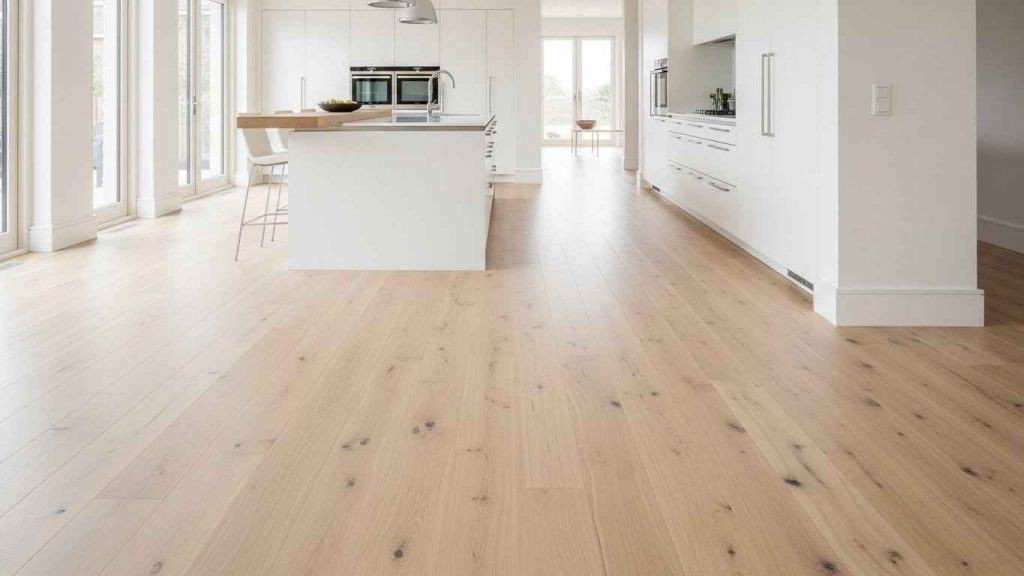

Light wood flooring is a signature element. It grounds the white palette and adds a cozy, natural texture underfoot. Pale oak, ash, or birch are common choices. The light color helps maintain the bright and airy atmosphere of the room. Light wood floors make a space feel larger. For a budget-friendly option, consider light wood-look laminate or luxury vinyl plank, which are durable and easy to maintain.
8. Statement Pendants in Simple Shapes
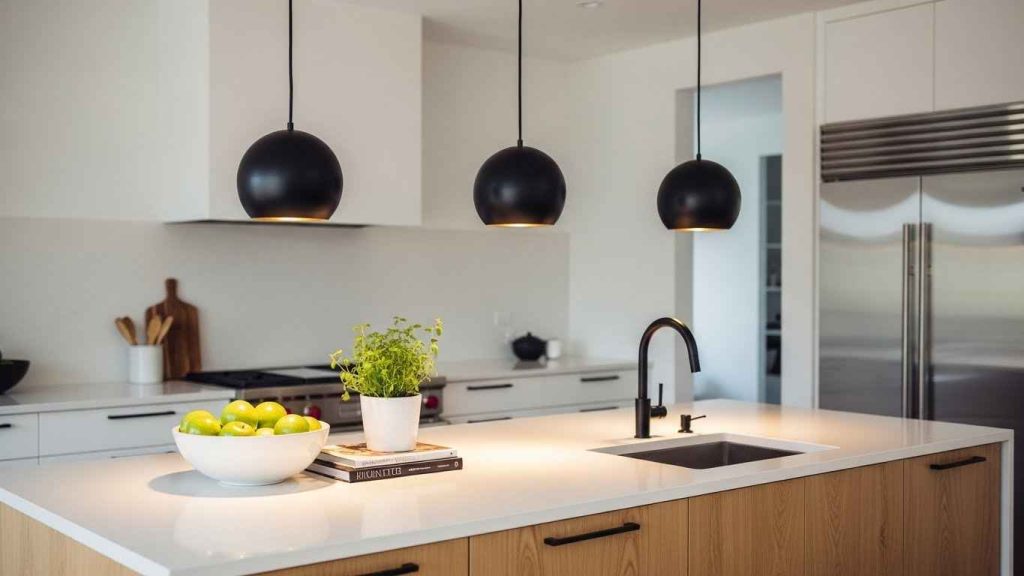

Lighting is both functional and decorative. Choose pendants with simple geometric shapes—spheres, cylinders, or domes. They act as sculptural elements without overwhelming the space. Black, brass, or white finishes work well. They provide essential task lighting over islands and counters. A single style of pendant maintains visual calm. You can find affordable, well-designed pendants at many major home goods retailers.
9. Incorporating Subtle Greige Tones
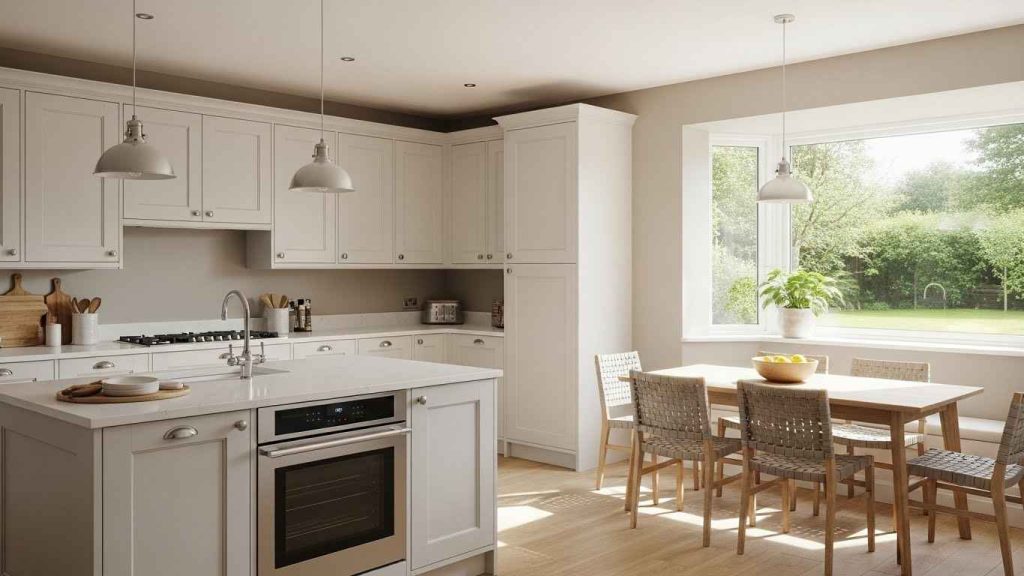

Greige—a mix of gray and beige—is a perfect warm neutral. Use it on walls, textiles, or even cabinetry to add depth without introducing a strong color. It complements both cool white and warm wood tones beautifully. This creates a more layered and inviting environment than pure white alone. Greige is a forgiving and versatile neutral. A budget-friendly update is to repaint one accent wall in a soft greige.
10. A Touch of Black for Modern Contrast
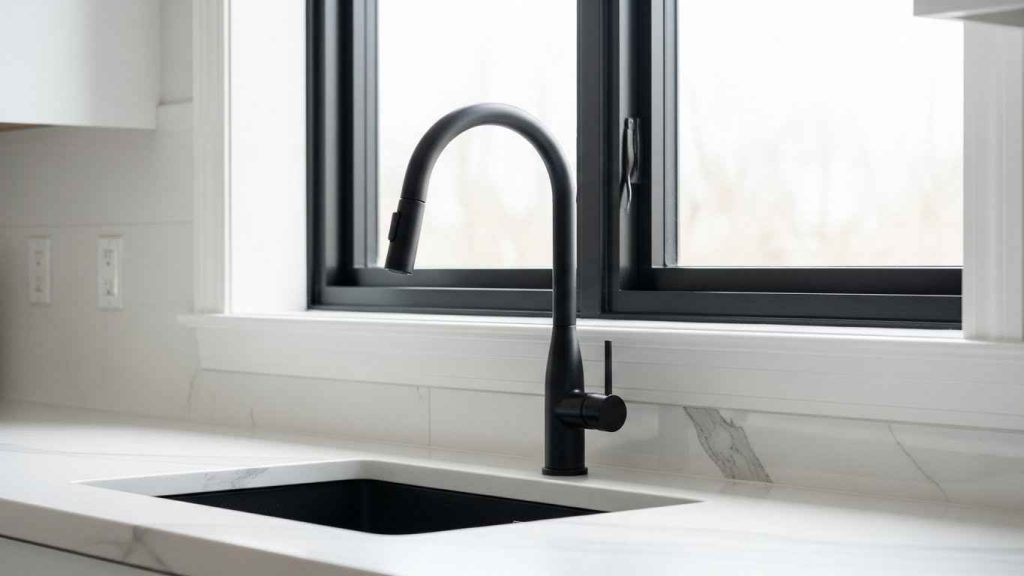

A small amount of black adds definition and modern contrast. Use it for faucets, light fixtures, cabinet handles, or window frames. This prevents the all-white scheme from feeling flat. The black acts as a visual anchor, grounding the light and airy space. Use black as an accent, not a main color. Switching out your cabinet hardware for black pulls is a simple and affordable way to achieve this effect.
11. Maximizing Light with Reflective Surfaces
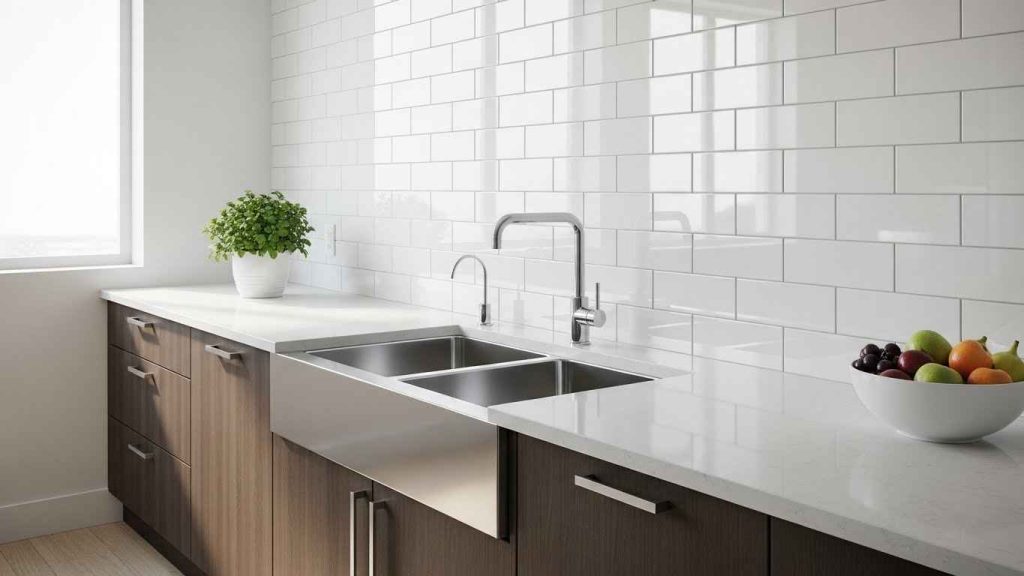

Reflective surfaces help bounce natural and artificial light around the room. A glossy tile backsplash, a stainless steel sink, or glass cabinet fronts can all amplify light. This makes the kitchen feel brighter and more spacious, which is essential during darker months. A glossy backsplash can brighten a dark corner. Using high-gloss white paint on your ceiling is a clever DIY trick to reflect more light downward.
12. The Coziness of a Breakfast Nook
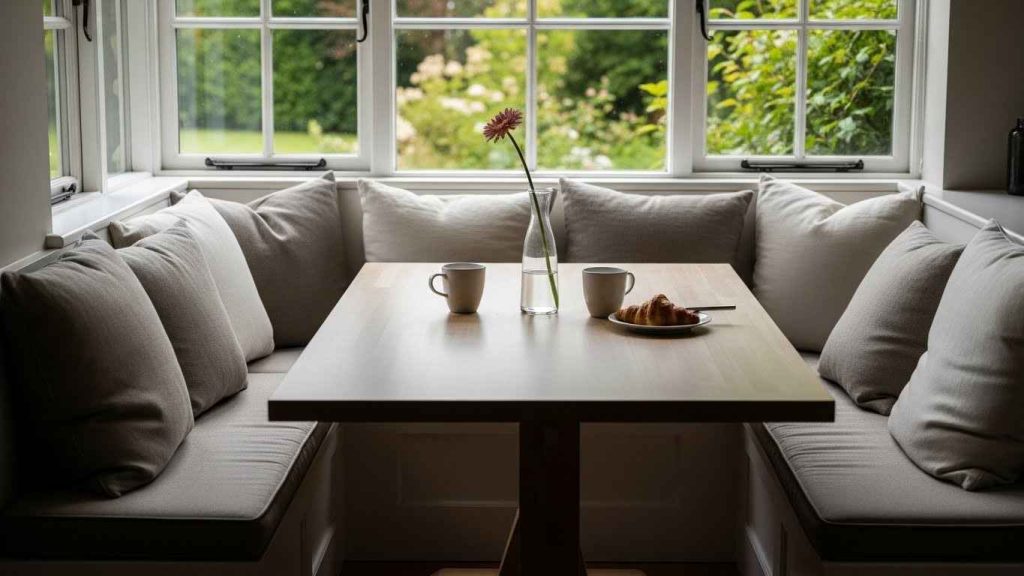

A breakfast nook introduces a soft, comfortable area for casual dining. A built-in bench with cushions and a small table makes efficient use of space. It creates a dedicated spot for family meals that feels separate from the work zone of the kitchen. This adds a layer of cozy, lived-in charm. A nook makes a kitchen more inviting. You can build a simple DIY bench with plywood and add comfortable cushions.
13. Functional Decor with Ceramics and Pottery
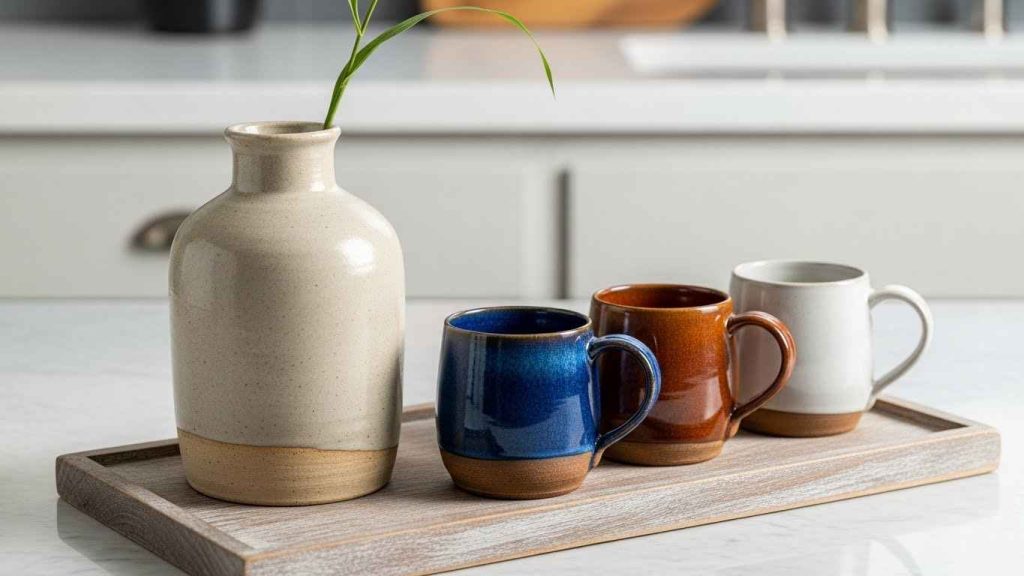

Decor should be functional. Beautiful ceramic canisters, pottery vases, and wooden bowls are meant to be used daily. Their imperfect, handmade quality adds soul and personality to the minimalist space. Choose items with simple, organic shapes and neutral glazes. Let your everyday items be your decoration. Shop for unique pieces at local craft fairs or thrift stores for one-of-a-kind finds.
14. Clean Lines with Integrated Appliances
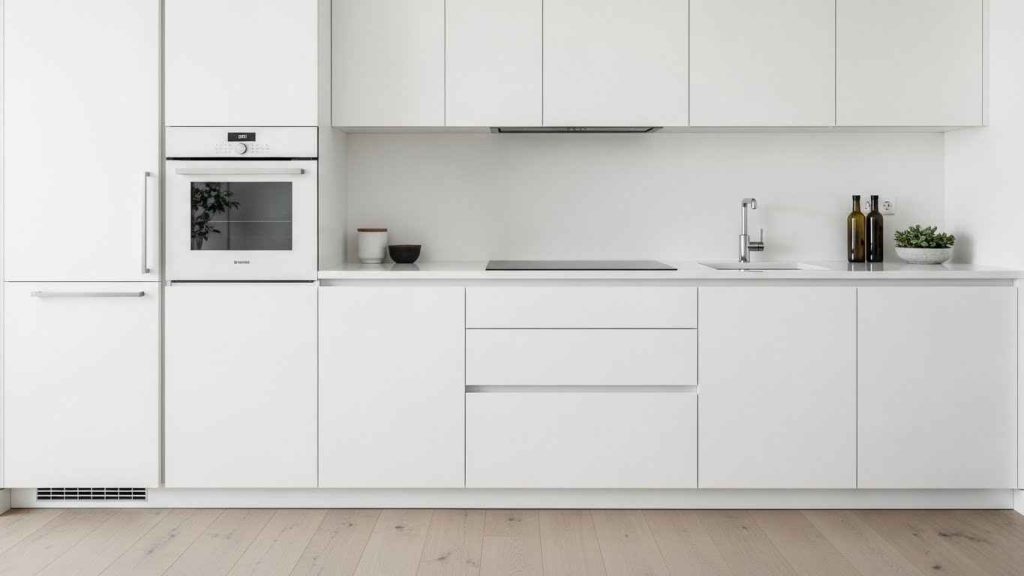

Integrated appliances are concealed behind cabinet panels that match the rest of the kitchen. This creates a streamlined, uniform appearance. The focus remains on the clean lines and calm atmosphere, not on the technical gadgets. It is a key element for a minimalist look. Integrated appliances create a seamless look. You can use a panel-ready dishwasher for a more cohesive appearance without a full kitchen remodel.
15. A Serene Backsplash of Subway Tiles
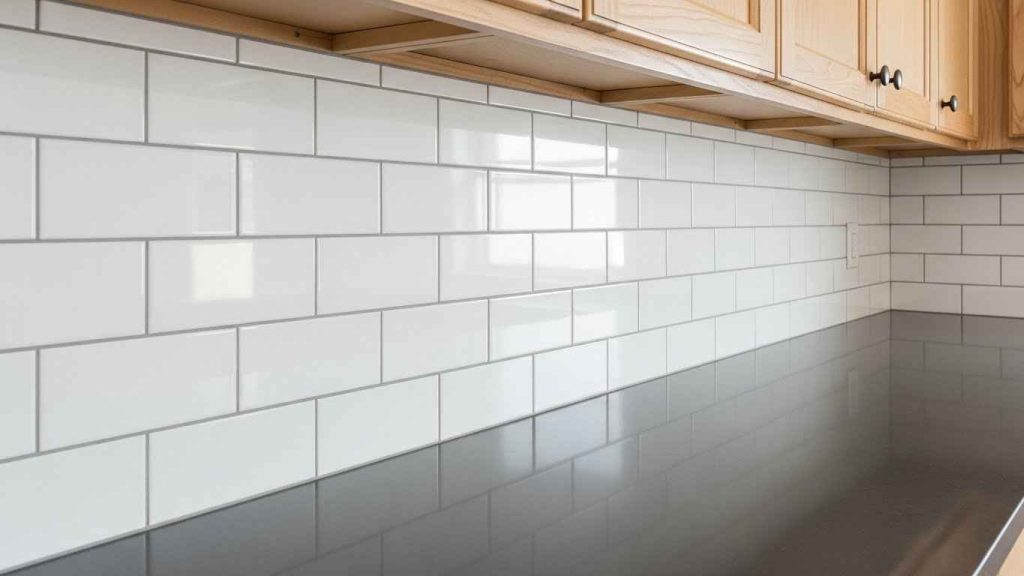

The subway tile is a timeless choice. Its simple rectangular shape is humble and practical. A light grout color keeps the look soft and continuous. It is a durable and easy-to-clean surface that never goes out of style. It provides a quiet, textural background. White subway tile is a classic for a reason. For a budget-friendly update, you can tile just the area behind the stove and sink.
16. Organic Shapes in Lighting and Hardware
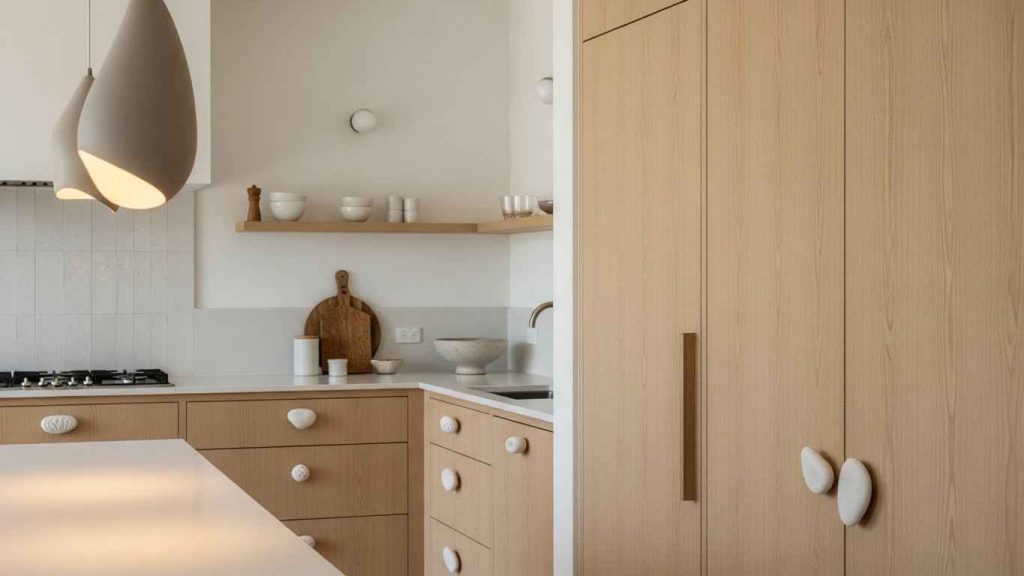

Introduce softness with organic forms. Choose cabinet knobs that look like smooth stones or pebbles. Select lighting with curved, fluid shapes. These natural forms provide a gentle contrast to the hard lines of cabinets and countertops, making the space feel more human and relaxed. Organic shapes add a soft touch. You can find affordable ceramic knobs online to easily swap out existing hardware.
17. The Charm of Open and Closed Storage
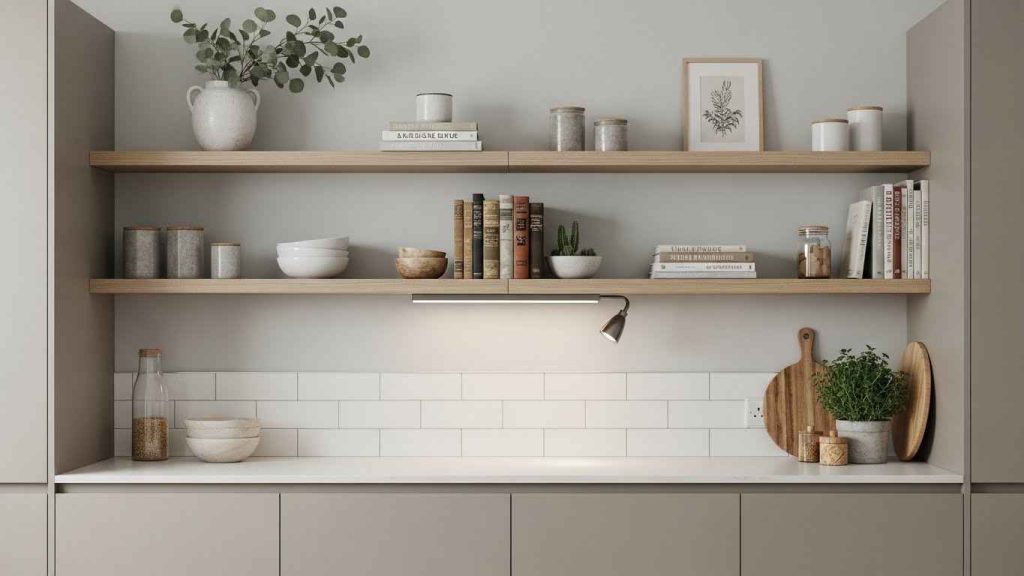

A mix of open and closed storage offers the best of both worlds. Closed cabinets hide the everyday mess of pots, pans, and pantry items. Open shelves give you a place to display beautiful dishes or cookbooks. This combination is highly functional and visually balanced. Hide the clutter, display the beauty. You can convert one upper cabinet into open shelving for a quick and easy change.
18. Creating Flow with an Open Plan Layout
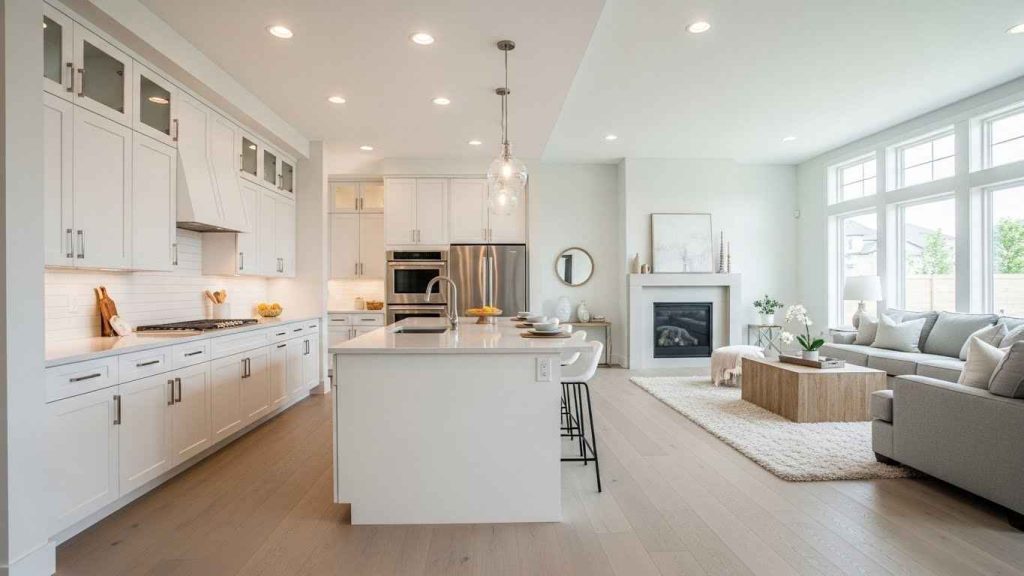

An open plan layout connects the kitchen to the living and dining areas. This creates a sense of flow and makes the home feel more social and spacious. A consistent color palette and flooring material throughout help unify the different zones. The kitchen becomes part of a larger, calm living environment. Consistent flooring connects the spaces. Use a large area rug to help define the living area within the open plan.
19. Pops of Life with Indoor Greenery
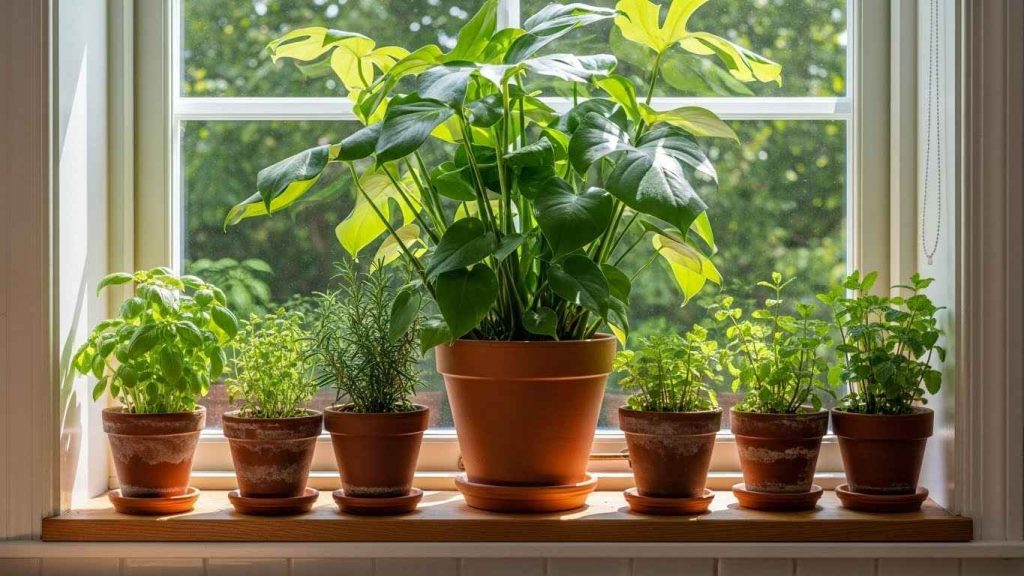

Plants bring life and color into a neutral kitchen. They improve air quality and add a vibrant, living element. Choose easy-to-care-for herbs on the windowsill or a large floor plant in a corner. The green provides a fresh, natural accent. Herbs are both decorative and useful. Start with a hard-to-kill plant like a snake plant or pothos if you are new to plant care.
20. The Elegance of a Waterfall Countertop
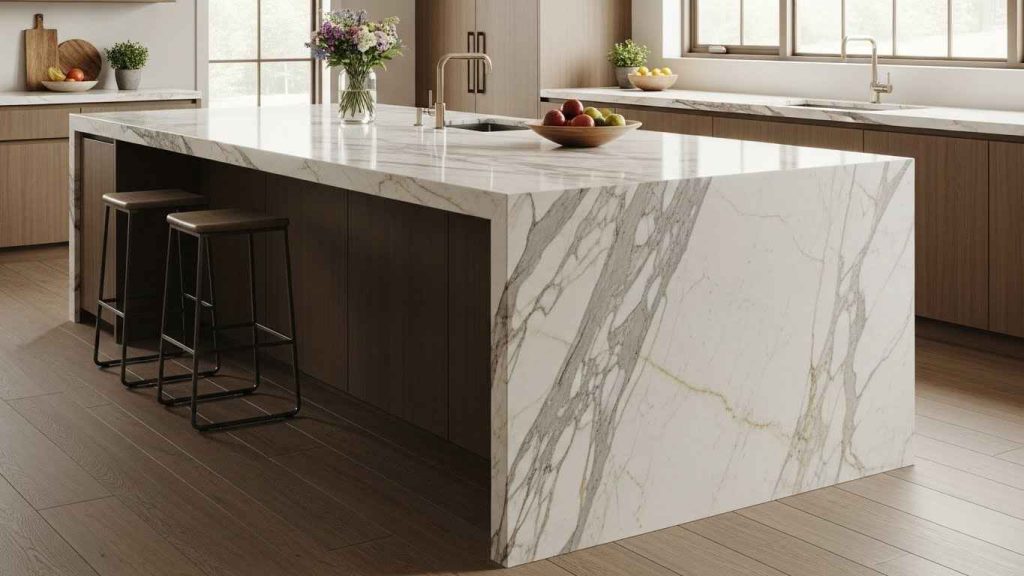

A waterfall countertop extends down the sides of an island, creating a continuous flow of material. This creates a strong, sculptural statement. It emphasizes the beauty of the countertop material, whether it is stone, quartz, or wood. It also protects the sides of the island from wear and tear. A waterfall edge feels luxurious and modern. This look can be achieved with laminate sheets for a more affordable option.
21. Streamlined Sinks and Minimalist Taps
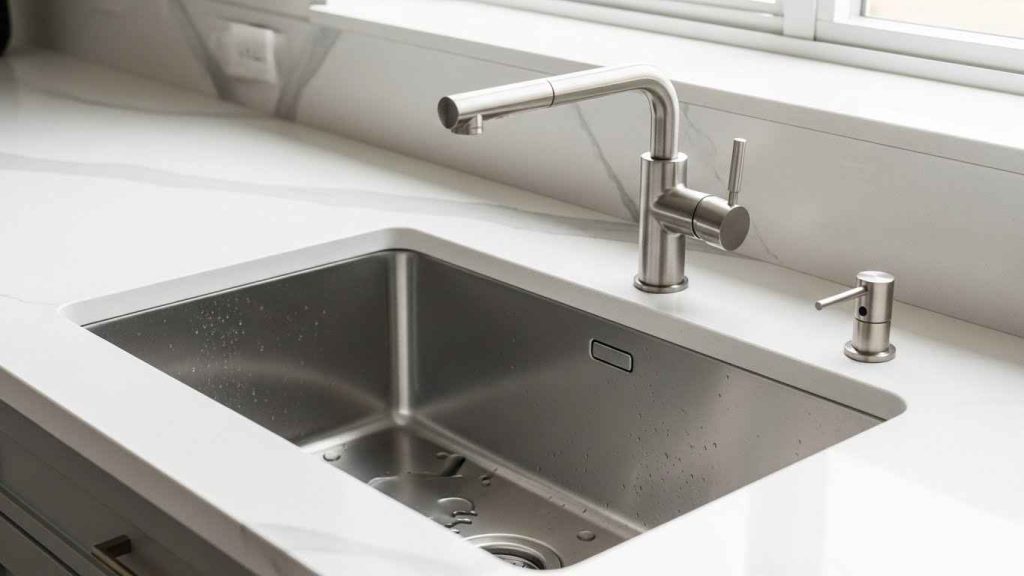

The sink and tap should be as minimalist as the rest of the kitchen. An under mount sink creates a clean line with the countertop. A single-bowl design is often more practical for large pots and pans. Choose a tap with a simple, geometric profile. A single-bowl sink offers more usable space. A pull-down sprayer tap is a practical choice for everyday cleaning.
22. Textural Contrast with Woven Baskets
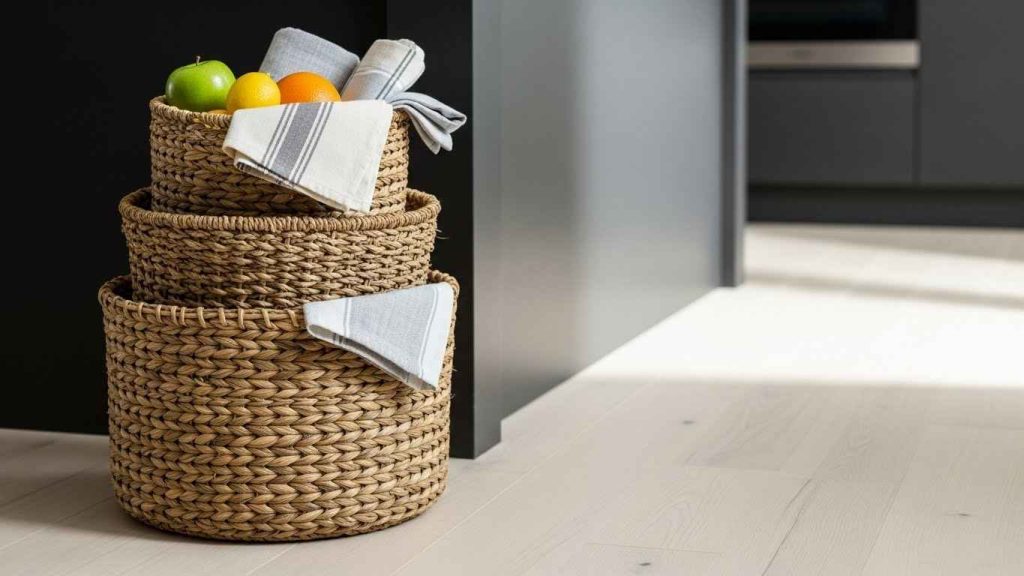

Woven baskets are both beautiful and useful. Use them to store fruits, vegetables, potatoes, or kitchen linens. Materials like seagrass, rattan, or bamboo introduce a wonderful, natural texture. They add a layer of cozy, rustic charm to the clean-lined space. Baskets are stylish storage solutions. You can find a variety of affordable baskets at home goods stores to corral loose items.
23. A Monochromatic Palette for Calm
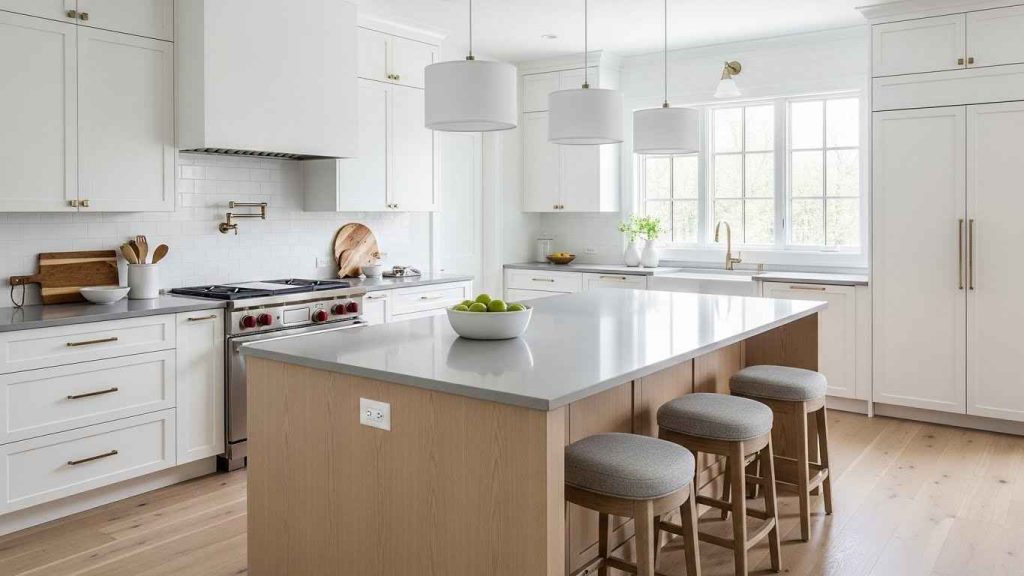

Sticking to a monochromatic palette of whites, grays, and light woods is inherently calming. There are no competing colors to create visual stress. The eye can rest easily, and the mind feels more ordered. This limited palette makes designing easier, as everything naturally works together. A limited palette simplifies decisions. When shopping for new items, stick to your chosen color family to maintain cohesion.
24. Accent Wall with Shiplap or Paneling
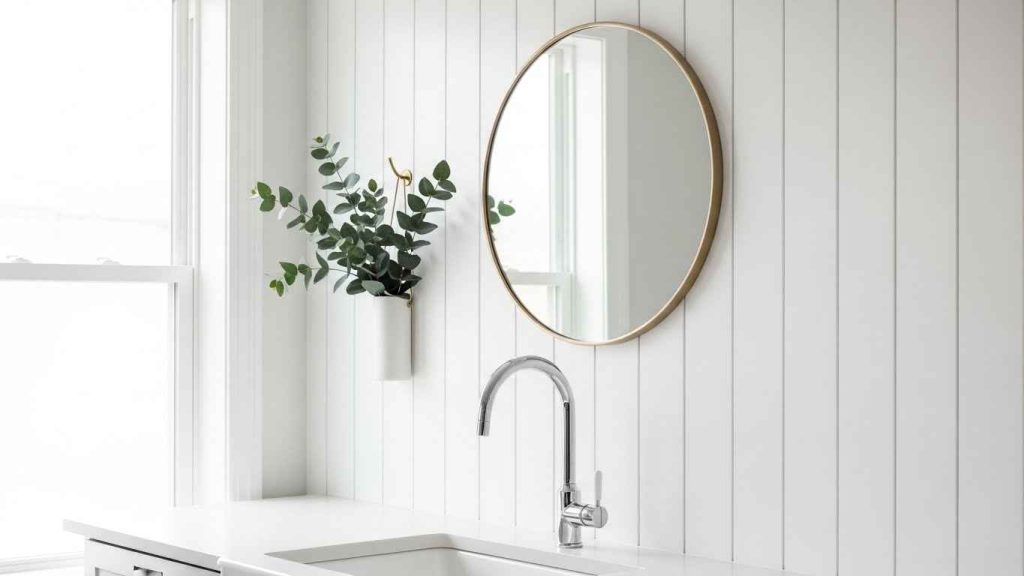

Shiplap or beadboard paneling adds architectural character without color. It creates subtle shadow lines and texture on a wall, often used behind open shelves or in a breakfast nook. This detail makes the space feel more crafted and cozy. Shiplap adds texture without pattern. Installing peel-and-stick shiplap is a great DIY project that requires no major tools or construction.
25. Uncluttered Countertops for a Clear Mind
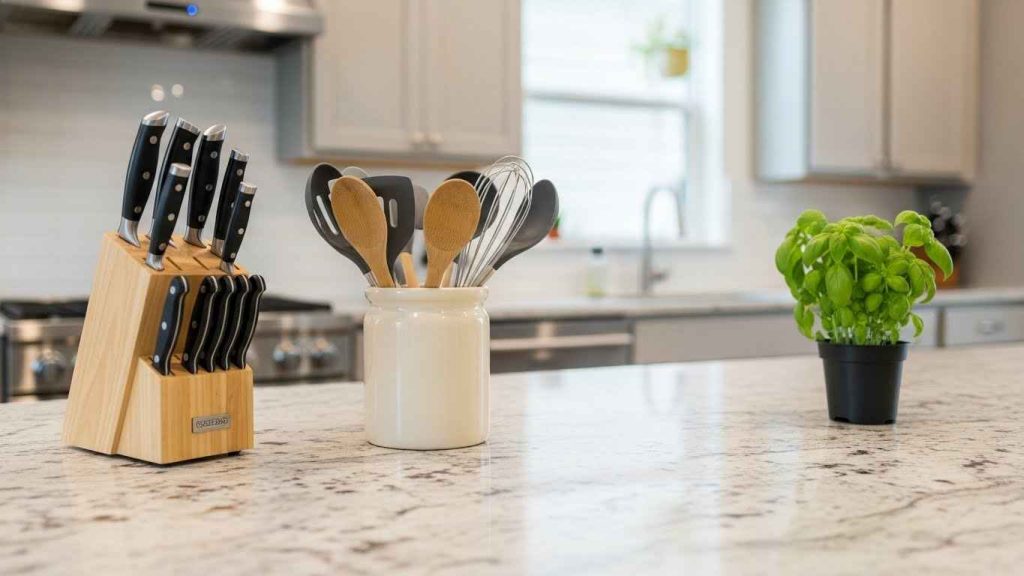

Clear countertops are essential for the Scandinavian feel. It makes the kitchen look larger and feel more peaceful. Store small appliances in cabinets and only keep out the items you use daily. This creates a sense of ready-to-use space and reduces visual clutter. A clear countertop promotes a calm mind. Use a lazy susan inside a cabinet to keep often-used items accessible but out of sight.
26. The Final Touch: Soft, Natural Linens
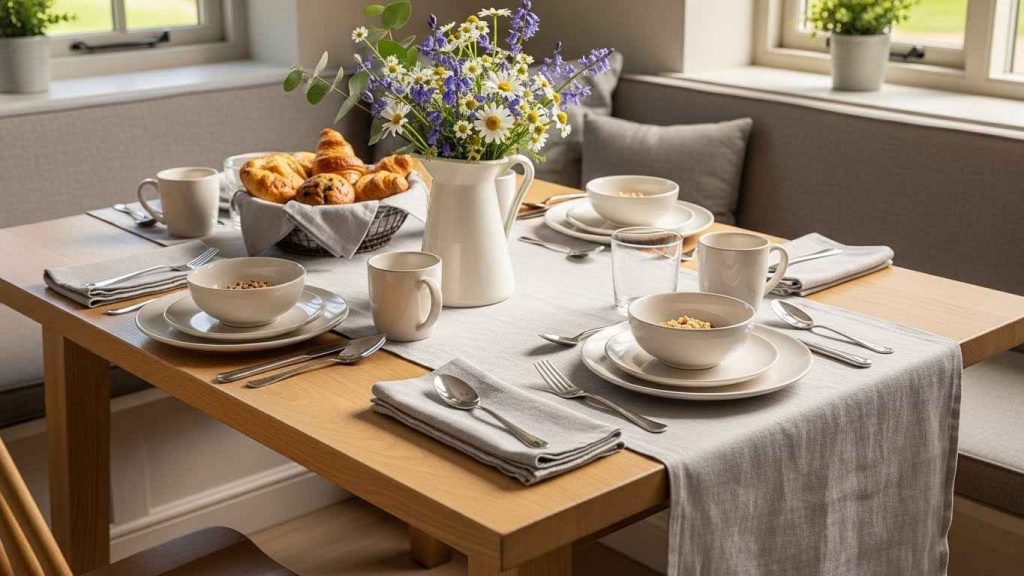

Textiles provide the final layer of softness. Choose tea towels, aprons, and chair cushions in natural materials like linen or cotton. These fabrics have a beautiful, relaxed drape and get softer with each wash. They introduce a tactile, comfortable element that makes the kitchen feel lived-in and cozy. Linen adds effortless texture. You can often find beautiful linen napkins secondhand, as the material ages gracefully.
Creating your own peaceful white Scandinavian kitchen is about small, intentional choices. Start with one element that speaks to you, like clearing your countertops or adding a single plant. You do not need to do everything at once. Each small step brings you closer to a calmer, more beautiful space.