Growing your own herbs brings flavor and life into your kitchen. It is a simple way to add a personal touch to your meals. You do not need a lot of space or a big budget. A small pot on a sunny ledge can make a big difference. This guide shows you many easy ways to start your own kitchen garden.
1. The Ultimate Small Kitchen Herb Garden Guide

Starting a kitchen herb garden is easier than you think. You just need a few pots, some soil, and a sunny spot. Pick herbs you love to cook with. This makes your garden useful and fun. Begin with just two or three plants to keep it simple. A budget-friendly start is to use empty yogurt cups with holes poked in the bottom for drainage. This project does not require a lot of time or money.
2. Why You Need a Small Kitchen Herb Garden

Having herbs within reach changes your cooking. You can snip a few leaves to add instant flavor. Homegrown herbs taste better than dried ones from a jar. They also make your kitchen smell wonderful. A DIY project like this adds a living decoration to your home. You will save money over time by not buying expensive plastic packs from the store. It is a small step that makes everyday meals special.
3. Sunlight Solutions for Indoor Herbs

Most herbs love sunshine. A south-facing window is the best spot. If your kitchen is dark, do not worry. You can use a simple grow light. These lights are small and fit under cabinets. A budget-friendly tip is to use a flexible desk lamp with an LED bulb. Rotate your pots every few days so all sides of the plant get light. This helps your herbs grow straight and strong, even away from a perfect window.
4. Best Herbs for a Compact Kitchen Garden

Some herbs grow better inside than others. Good choices are basil, mint, parsley, chives, and thyme. These are hardy and useful for many recipes. Rosemary and oregano also do well in pots. Start with easy-to-grow varieties for the best results. A DIY idea is to label your pots with painted stones or popsicle sticks. This helps you remember which herb is which and keeps your garden organized and pretty.
5. The Windowsill Herb Garden Classic

The windowsill is the perfect place for a herb garden. It uses space you already have. Make sure the sill is wide enough for your pots. Group herbs with similar water needs together. A budget-friendly approach is to use cleaned food jars as pots. This setup gives herbs maximum sunlight. It is the simplest way to keep your plants healthy and within easy reach while you are preparing food.
6. DIY Mason Jar Herb Planters

Mason jars make charming planters. They are cheap and easy to find. You must add drainage, though. Put a layer of small stones or pebbles at the bottom of the jar before adding soil. This prevents the roots from sitting in water. A DIY touch is to paint the jar lids with chalkboard paint to label your herbs. This project adds a farmhouse feel to your kitchen and keeps your herbs organized.
7. Upcycled Tin Can Herb Garden

Do not throw out those tin cans. They can become free plant pots. Clean them thoroughly and remove the labels. Punch a few holes in the bottom for water to drain. This is a great way to recycle. A budget-friendly idea is to let kids paint the cans. This makes a fun family activity and adds a personal, colorful touch to your kitchen decor. It is practical and creative.
8. Hanging Gutter Garden for Small Spaces

When counter space is limited, look up. A repurposed gutter makes a long, narrow planter. You can mount it on a wall or under a cabinet. It is perfect for shallow-rooted herbs like cilantro and thyme. This uses unused vertical space. A DIY tip is to secure the gutter with strong brackets and ensure it tilts slightly for drainage. This system keeps your herbs accessible and your counters clear.
9. The Vertical Pallet Herb Wall

A wooden pallet can become a garden on your wall. Secure it firmly to the wall. Line the back with landscape fabric to hold the soil in. Then, plant herbs in the openings between the slats. This creates a living wall of flavor. A budget-friendly plan is to ask local stores for a free discarded pallet. Sand it down for a smooth finish. This makes a big visual impact for very little cost.
10. Magnetic Spice Rack Herb Garden

Use magnetic spice tins to hold small herbs. Attach a metal sheet to your wall or the side of a cabinet. Then, stick the magnetic pots onto it. This is ideal for small herbs like chives or creeping thyme. Your herbs become a functional piece of art. A DIY suggestion is to use empty mint tins. Just make sure to add drainage holes. This idea is perfect for a modern, minimalist kitchen.
11. Tiered Stand for Maximum Herbs

A tiered stand lets you grow many herbs in a small footprint. It works like a staircase for your plants, giving each one its own space in the sun. You can find these stands at garden centers or thrift stores. This multiplies your growing area. A budget-friendly find is a vintage step-stool. Place your pots on the different steps. It adds height and interest to your kitchen while keeping your herbs organized.
12. Hanging Basket Herb Haven

Hanging baskets free up valuable counter space. You can hang them from a ceiling hook or a wall bracket. Choose a basket with a liner to hold soil and water. Herbs like oregano and thyme can trail over the sides beautifully. This adds a decorative element. A DIY project is to make your own hanger from cotton rope. It is an easy craft that gives your kitchen a relaxed, handmade feel.
13. Under-Cabinet LED Light Garden

If your kitchen lacks natural light, grow lights are the answer. Thin LED panels can be installed under your cabinets. They provide the right kind of light for plants to grow. This turns a dark counter into a productive garden spot. This is a smart tech solution. A budget-friendly option is a single, clip-on LED grow bulb. You can direct it exactly where your herbs need it most, ensuring they thrive.
14. Over-the-Sink Herb Shelf

The space over your sink is often wasted. A simple shelf here is perfect for herbs. They get good light from the window, and watering is easy—any drips go straight into the sink. This combines function with convenience. A DIY tip is to cut a board to size and support it with sturdy metal brackets. You can stain or paint it to match your kitchen. This is a very efficient use of space.
15. The Ladder Shelf Herb Display

A small ladder shelf offers multiple levels for your plants. Lean it against a wall in a sunny corner. You can place different herbs on each step. This makes a beautiful, dynamic display. It is easily movable. A budget-friendly idea is to use an old wooden ladder you might have in the garage. Just give it a good clean. This creates a lovely, rustic focal point in your kitchen.
16. Teacup and Mug Herb Planters

Chipped teacups and odd mugs can have a new life as planters. They add a whimsical touch to your kitchen. The key is drainage. Carefully use a drill to make a small hole in the bottom of the ceramic. This gives your herbs a unique home. A DIY project is to hunt for interesting cups at a thrift store. This is a cheap way to create a garden full of personality and charm.
17. Kokedama Moss Ball Herbs

Kokedama is the Japanese art of growing plants in moss balls. You wrap the plant’s roots in soil and sphagnum moss, then tie it with string. These living sculptures can hang in your window. They are a beautiful conversation piece. A budget-friendly material is to forage for moss in your yard (where permitted). This method is a unique and artistic way to display herbs like mint or parsley.
18. Wall-Mounted Pocket Planters

A fabric shoe organizer can become an instant vertical garden. Hang it on a wall or a door. Fill each pocket with potting mix and plant a herb. This is great for herbs with shallow roots. It is incredibly space-efficient. A DIY must-do is to choose a organizer made from a durable, water-resistant material. This is one of the fastest and most affordable ways to create a large herb display.
19. A Simple Herb Garden Kit

If you want everything in one box, a starter kit is for you. These kits usually include pots, soil, and seeds. They take the guesswork out of starting your garden. This is perfect for beginners. A budget-friendly option is to look for kits at discount stores. They provide all the basics so you can get growing right away without hunting for separate parts. It is a simple, all-in-one solution.
20. Hydroponic Countertop Pods

Hydroponic systems grow plants in water with nutrients, no soil needed. These countertop units often have built-in lights. They allow you to grow herbs year-round, very quickly. This method is very clean and low-mess. While some systems are an investment, a budget-friendly approach is to start with a single-pod model. This lets you try the technology without a big commitment. It is great for consistent harvests.
21. The Lazy Susan Herb Carousel

A Lazy Susan makes your herbs spin. Place it on your counter or table and arrange your pots on top. This lets you easily turn the garden to give every plant equal light. It makes tending to your plants simple. A DIY idea is to find a vintage Lazy Susan at a flea market. You can sand it and seal it for a custom look. This is a clever solution for a corner spot.
22. Repurposed Crate Herb Box

A wooden crate makes a wonderful planter box. It has a naturally rustic look. Line the bottom with a plastic sheet (with holes for drainage) to protect the wood. Then, fill it with soil and plant a few different herbs together. This creates a mini garden bed. A budget-friendly tip is to ask your local grocery store for spare crates. This is a cheap and stylish way to group your plants.
23. Hanging Terracotta Pot Array
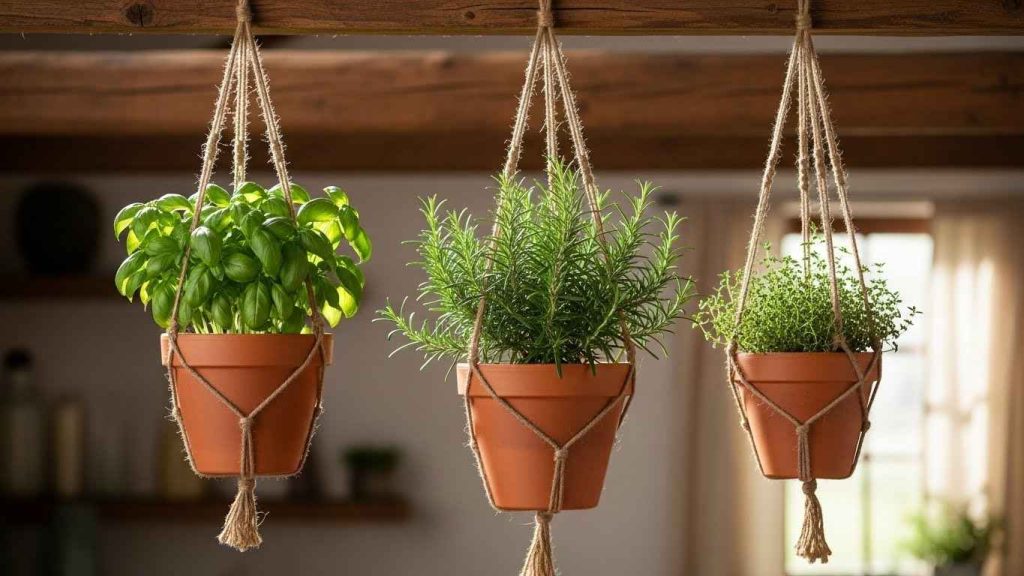
Hanging terracotta pots is a timeless look. You can buy pots with pre-drilled holes for hanging or add them yourself. Use strong jute or cotton rope to suspend them. This adds height and dimension. A DIY step is to soak new terracotta pots in water before planting. This prevents the clay from absorbing all the moisture from your soil first. This classic method is both beautiful and functional.
24. Choosing the Right Soil and Pots
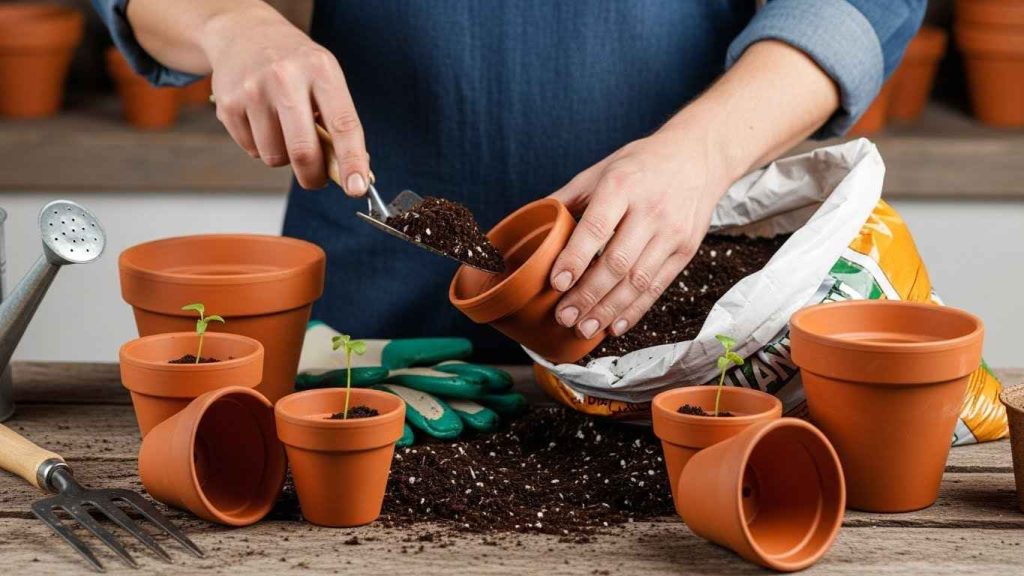
Use a good quality potting mix, not garden soil. Potting mix drains well and is made for containers. For pots, terracotta is great because it breathes. Plastic pots hold moisture longer. Ensure every pot has a drainage hole. A budget-friendly choice is to buy a large bag of generic potting mix and reuse plastic nursery pots. The right foundation keeps your herbs healthy from the start.
25. Watering Tips for Healthy Herbs

The biggest mistake is overwatering. Check the soil by pushing your finger an inch down. If it feels dry, it is time to water. Water thoroughly until it runs out the drainage hole. Then let the soil dry out a bit. A DIY trick is to use a wooden chopstick as a moisture meter. Stick it in the soil; if it comes out clean, water your plant. Consistent, careful watering prevents root rot.
26. Harvesting and Using Your Homegrown Herbs

Harvest your herbs often to encourage new growth. Snip leaves from the top, just above a set of leaves. Use sharp scissors for a clean cut. Add them at the end of cooking for the best flavor. Regular harvesting keeps plants bushy. A budget-friendly idea is to freeze leftover chopped herbs in ice cube trays with a little water or oil. This way, you can enjoy your homegrown flavor all year long.
Start with just one pot. Pick your favorite herb, find a sunny spot, and give it a try. This

