

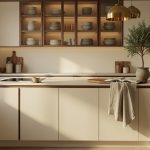


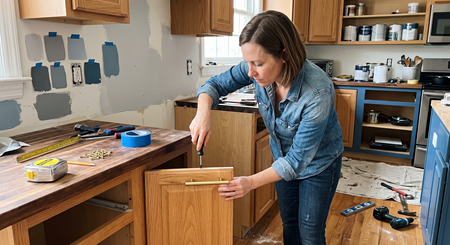


A curved backsplash adds a soft, organic feel to any kitchen or bathroom. It breaks up sharp lines and makes a space feel more welcoming. This design choice is not just about looks. It is also practical, making corners easier to clean. You can achieve this look with many materials, from classic tile to modern slabs. There is an option for every style and budget.
1. The Classic Ceramic Curve


Ceramic tile is a timeless choice for a curved design. Its small, individual pieces make it easy to form smooth, flowing lines. You can find curved trim pieces to help create the shape. This material is durable and simple to clean. For a budget-friendly approach, use standard square tiles and a tile nipper to gently shape the edges for a custom curve. A light-colored grout will help the curved lines stand out.
2. Graceful Glass Wave


A glass backsplash brings light and color to a room. When curved, it creates a beautiful, seamless wave effect. This type of backsplash is very easy to wipe clean. It works well in modern spaces. For a DIY project, consider using glass mosaic sheets. These small tiles on a mesh backing are easier to install on a curved surface than large panels. Choose a color that complements your countertops.
3. Undulating Metal Marvel


Metal adds a sleek, modern touch. A curved metal backsplash can be a real focal point. Materials like stainless steel, copper, or brass are used. They are tough and resist heat. To keep costs down, look for metal tile sheets that mimic a solid sheet. These are easier to install on a curved substrate. A simple daily wipe with a soft cloth will keep it looking new.
4. Flowing Quartz Waterfall


Quartz is a non-porous and durable material. A waterfall edge that curves into the backsplash creates one continuous surface. This look is very clean and modern. There are no grout lines to maintain. For a similar effect without a full slab, ask a fabricator for quartz remnant pieces. These can be used to create a curved section behind the stove or sink, integrating with a different wall material.
5. Sculpted Stone River

Natural stone like marble or granite offers unique patterns. When carved into a curve, it looks like a flowing river. Each piece is one of a kind. Seal stone properly to protect it from stains. You can achieve a high-end look with larger format stone tiles instead of a full slab. These are easier to shape into a gentle curve during installation, giving you a custom appearance for less.

6. Curved Subway Tile Twist


Subway tile is a favorite for its simplicity. Laying it in a curve gives this classic a new life. The rectangular shape of the tiles creates an interesting visual rhythm. This is a great project for a confident DIYer. Use a flexible tile spacer system to help maintain even grout lines as you follow the curved layout. A dark grout can make the curved pattern more defined.
7. The Serpentine Slab


A large slab of material can be cut into a serpentine shape. This makes a strong design statement. It works well as a focal point behind a range. The surface is very easy to clean. To manage cost, use a less expensive slab material like quartzite or a solid surface for the curved section. You can pair it with a simpler tile on the rest of the wall.
8. Arched Zellige Elegance


Zellige tiles are handmade, so each one is slightly different. Their uneven surface and color variation add depth. An arched layout enhances their old-world charm. These tiles can be installed on a curved wall with a skilled hand. For a similar look, try clay tile with a crackle glaze. The installation process is the same, but the material cost is often lower than authentic zellige.
9. Organic Freeform Concrete


Concrete can be formed into any shape you imagine. A freeform curved backsplash feels modern and artistic. It has a raw, tactile quality. Concrete needs to be sealed to prevent staining. For a DIY version, use a concrete overlay system on an existing, smoothly curved surface. This lets you get the look without a full pour. You can tint the concrete to match your color scheme.
10. Rounded Mosaic Medley


Mosaic tiles are perfect for curves because their small size allows them to bend easily. A mix of materials like glass and stone adds interest. This style can hide minor imperfections in the wall. Mosaic sheets make installation much faster than placing each tile individually. You can find affordable and beautiful options at most home improvement stores.
11. The Cohesive Cove


A cove backsplash is a single, curved piece that flows from the countertop up the wall. It eliminates the seam where the counter meets the wall. This is the easiest backsplash to clean because there are no cracks. This is typically done with solid surface materials like Corian. Ask your fabricator about creating a coved backsplash during your countertop installation for a seamless upgrade.
12. Fluid Terrazzo Flow


Terrazzo is a composite material with chips of stone or glass. It is durable and full of character. A curved terrazzo backsplash feels both retro and fresh. Prefabricated terrazzo tiles are a great option. They are easier to install on a curve than a poured slab. You can find tiles with different aggregate sizes and colors to suit your style.
13. Bending Herringbone Pattern


The herringbone pattern is known for its dynamic energy. Bending this pattern in a curve adds even more movement. It is a visually interesting choice. To make this easier, use mosaic herringbone sheets. These come pre-assembled on a mesh backing. You can gently bend the entire sheet to follow your curved layout, saving a lot of time and effort during installation.
14. Rolling Penny Round River


Penny rounds are small, circular tiles. When used on a curved surface, they enhance the sense of flow. Their shape naturally complements curved lines. This is another project made simple with mesh-mounted sheets. The small tiles conform to curves very easily. Using a single color will make the curved form the star, while a mix of colors adds more texture.
15. The Softly Arched Niche


An arched niche built into the backsplash adds depth and function. It is a perfect spot to store cooking oils or display a favorite item. It breaks up a large wall in a beautiful way. You can build a niche using drywall and metal studs. Curve the top of the opening with a flexible drywall strip. Then, tile the inside to match your backsplash.
16. Curved Backsplash with Open Shelving


Open shelving works well with a curved backsplash. It keeps the space feeling open and airy. The curve behind the shelves adds a soft visual frame. For a budget-friendly shelf, use a sanded and sealed piece of solid wood. You can cut it yourself or have it cut at a hardware store. Mount it with sturdy, hidden brackets for a clean look.
17. Seamless Sink Integration


When the backsplash curves seamlessly up from the countertop and integrates with the sink, it creates a super clean look. This is great for wet areas as it leaves no crevices for water to sit. This is usually done with solid surface materials. For an update, consider replacing your sink and countertop together to achieve this integrated, curved design. It simplifies cleaning dramatically.
18. The Bullnose Edge


A bullnose edge is a simple way to add a curve. This rounded tile is used to finish the raw edge of a backsplash. It feels soft to the touch and is safer than a sharp corner. Bullnose tiles are readily available for most standard tile lines. They are an easy, low-cost upgrade that makes any tiled backsplash look more finished and professional.
19. Wavy Plaster Perfection


A plaster finish gives a walls a beautiful, handcrafted feel. You can shape it into soft waves and curves. It creates a matte, texture-rich surface. Venetian plaster is a classic choice. For a DIY approach, use a textured wall paint and a trowel to create subtle waves and curves. It takes practice, but it is a very affordable way to get a custom look.
20. Fluted Wood Warmth


Wood brings instant warmth to a kitchen. Fluted wood, with its vertical grooves, has a natural rhythm that works well on a curve. It adds texture and interest. Use a water-resistant wood like teak or a good sealant on plywood. You can have thin wood veneer bent around a curved form, which is more affordable than solid wood carving.
21. The Swirling Inlay


An inlay is a beautiful detail within a larger backsplash. A swirling metal or stone inlay can highlight the curve of your design. It is a custom touch that makes a space feel special. For a budget-friendly alternative, use a metal leaf tape to create the look of an inlay. Apply it to your tiled or painted backsplash in a swirling pattern. It is easy to apply and remove.
22. Curved Backsplash for a Waterfall Island


A waterfall island is a popular feature. Adding a curve to the backsplash portion of the waterfall makes the island feel more inviting. It softens the hard lines of the cabinetry. This is done when the countertop is fabricated. Discuss the possibility of a curved edge with your fabricator when ordering your island countertop. It is a small change that has a big visual effect.
23. The Full-Wall Fluid Form


For a truly dramatic effect, make an entire wall a curved backsplash. This monolithic look is very modern and calming. It turns the wall into a piece of sculpture. This is often achieved with plaster or curved drywall construction. To test the look, you could build out a small section of your wall with curved drywall first. See how you like the feel before committing to the whole wall.
A curved backsplash is a simple change that can soften your entire space. You do not need to remodel your whole kitchen to try it. Start with a small area, like behind the sink. Use a material you feel comfortable working with. Even a slight curve can make a daily difference in how your room feels.