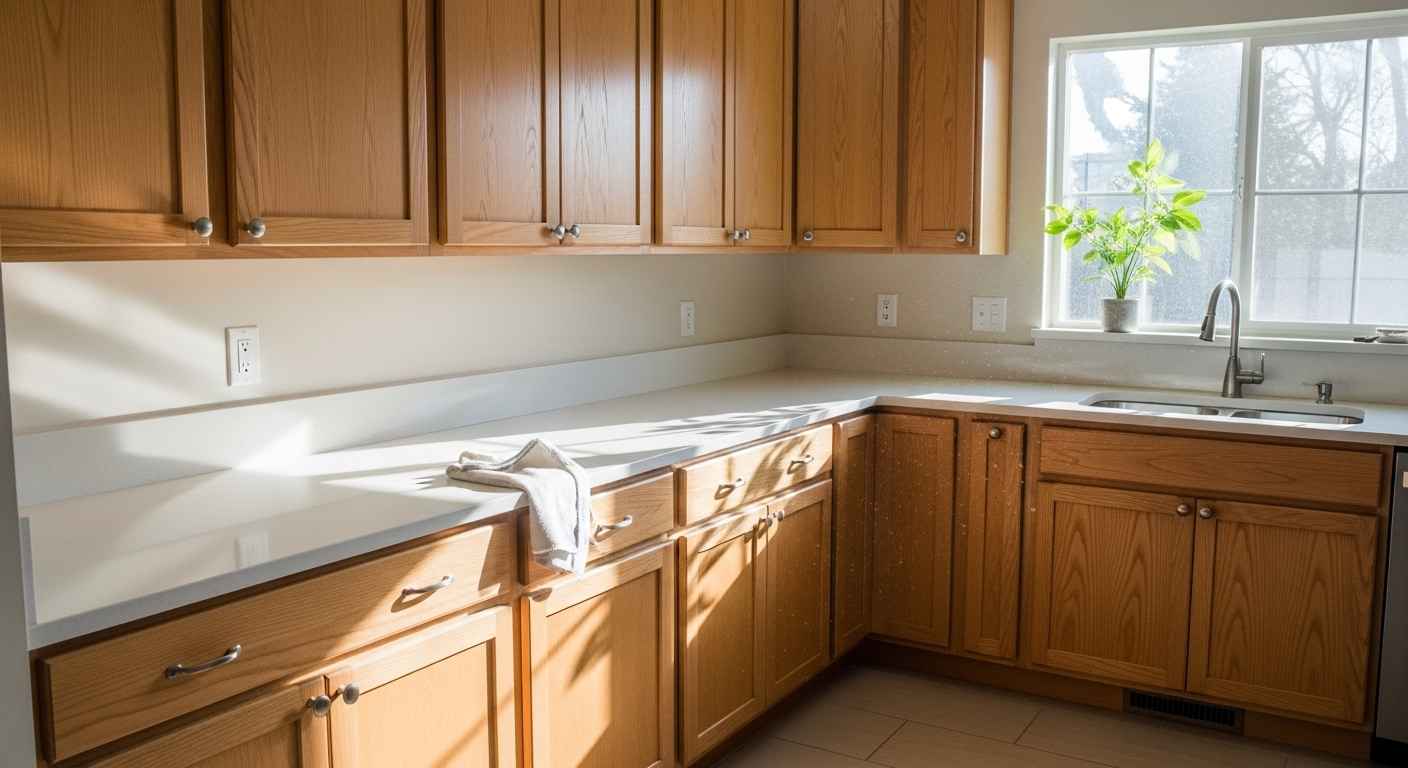
Keeping your kitchen cabinets clean does not require special products. A few simple items from your pantry can do the job. These methods are gentle on surfaces and easy on your wallet. A regular cleaning routine keeps your kitchen looking its best.
1. Wipe Down with a Simple Soap Solution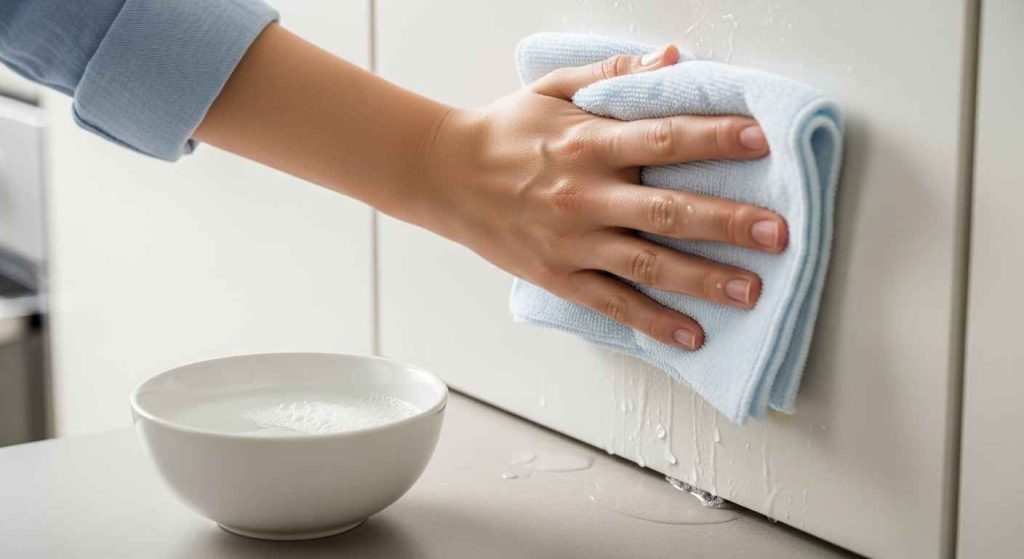
Start with the basics. Mix a few drops of mild dish soap into a bowl of warm water. Dampen a soft microfiber cloth in the solution. Wring it out well so it is not dripping. Wipe the cabinet surfaces in the direction of the wood grain. This prevents streaking. A simple soap solution is a safe first step for most cabinet finishes. Rinse your cloth with clean water and wipe again to remove any soap film.
2. Conquer Grease with White Vinegar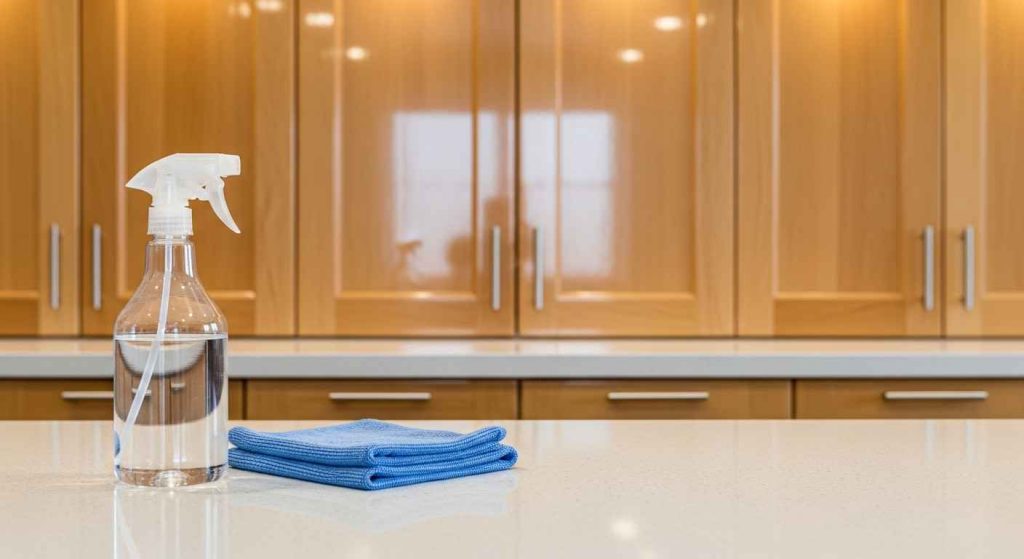
Grease from cooking can build up on cabinets. White vinegar cuts through it easily. Create a grease-fighting spray by mixing equal parts vinegar and water in a spray bottle. Lightly mist the solution onto a cloth, not directly on the wood. Gently wipe the greasy areas. The vinegar will break down the grease without harsh chemicals. Always test on a small, hidden area first.
3. Sanitize with Baking Soda Paste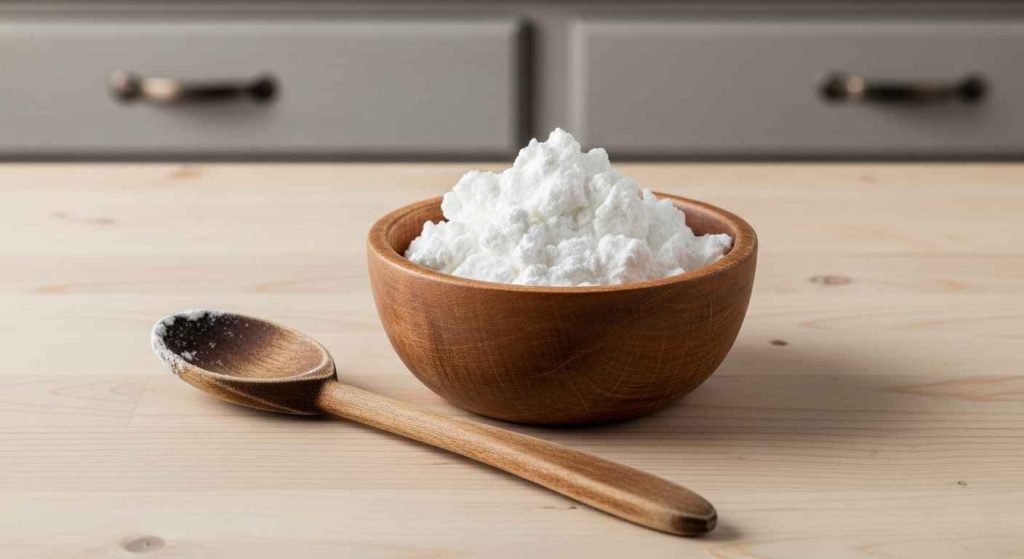
For stuck-on grime or to sanitize, baking soda is perfect. Make a thick paste with baking soda and a little water. Apply it to the problem spot with a soft cloth. Let it sit for a minute. Gently scrub in a circular motion. The mild abrasiveness lifts dirt. This is a gentle scrubbing solution that also deodorizes. Wipe clean with a damp cloth.
4. Refresh Wood with Olive Oil Polish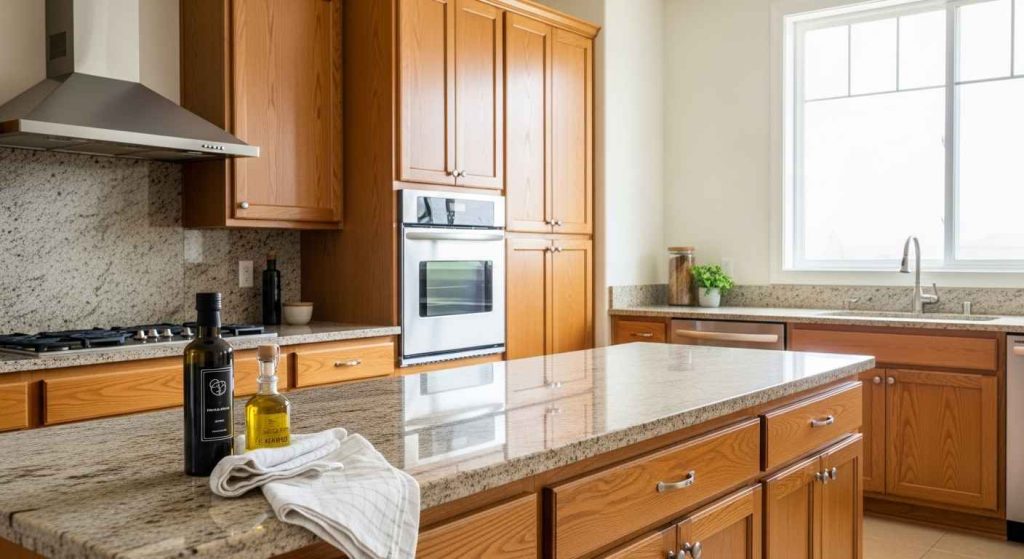
Bring back the natural shine to wood cabinets. Mix two parts olive oil with one part lemon juice or vinegar. Use a soft cloth to apply a small amount of this homemade wood polish. Buff the cabinet surface in a circular motion. The oil conditions the wood. A little goes a long way. Wipe off any excess to avoid a greasy feel.
5. Deodorize with Lemon Juice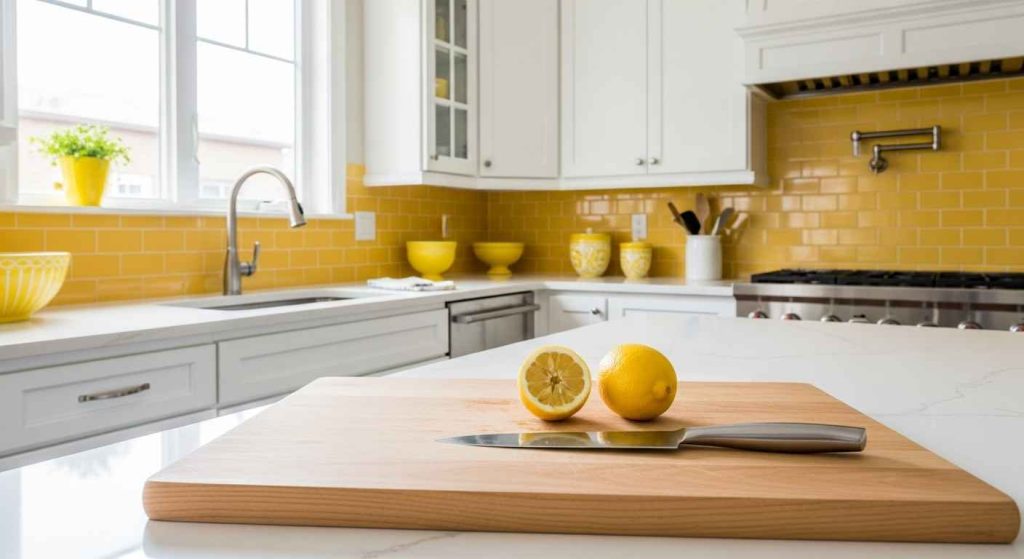
Lemon juice naturally deodorizes and cuts grease. Add a tablespoon of lemon juice to your soapy cleaning water. The fresh citrus scent will linger. You can also rub a lemon half directly on a cutting board inside a cabinet to remove odors. This is a natural deodorizing trick that leaves your kitchen smelling clean.
6. Disinfect with Hydrogen Peroxide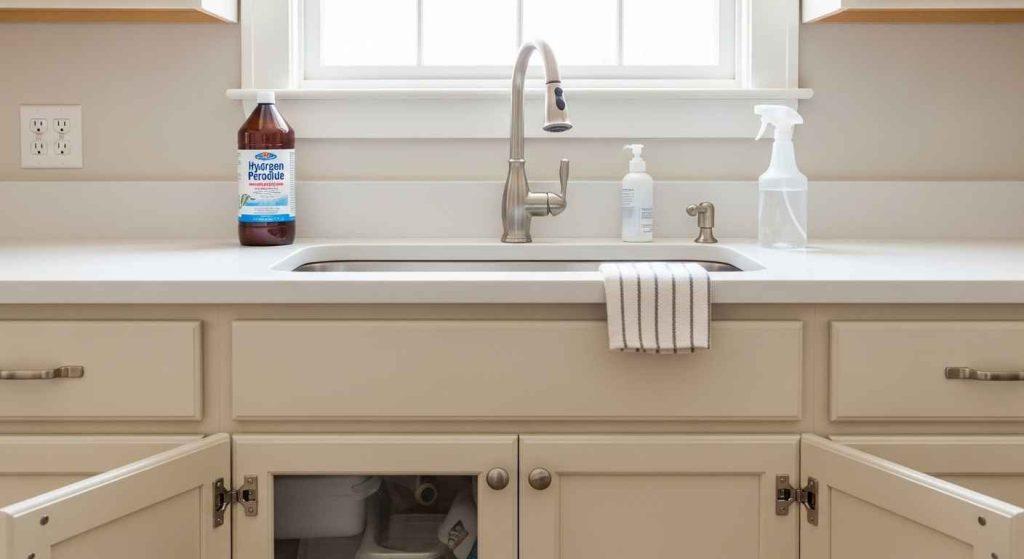
For disinfecting, hydrogen peroxide is effective. Pour 3% hydrogen peroxide into a dark spray bottle. Light spritzes can kill germs on cabinet handles and surfaces. Let it bubble for a few minutes before wiping. Store it in a dark bottle to maintain its strength. It is a good alternative to bleach.
7. Deep Clean with a Magic Eraser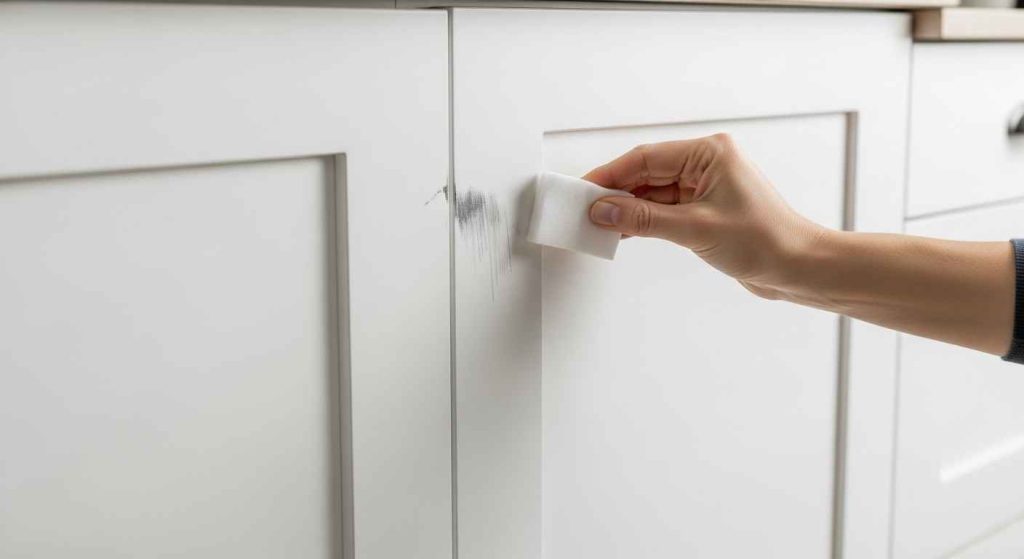
For scuffs and stubborn marks, a magic eraser works well. Dampen the melamine foam and gently rub the mark. Use a light touch to avoid damaging the finish. This is great for removing tough scuffs on painted or laminate cabinets. Always test on a hidden spot first.
8. Degrease with a Dish Soap Spray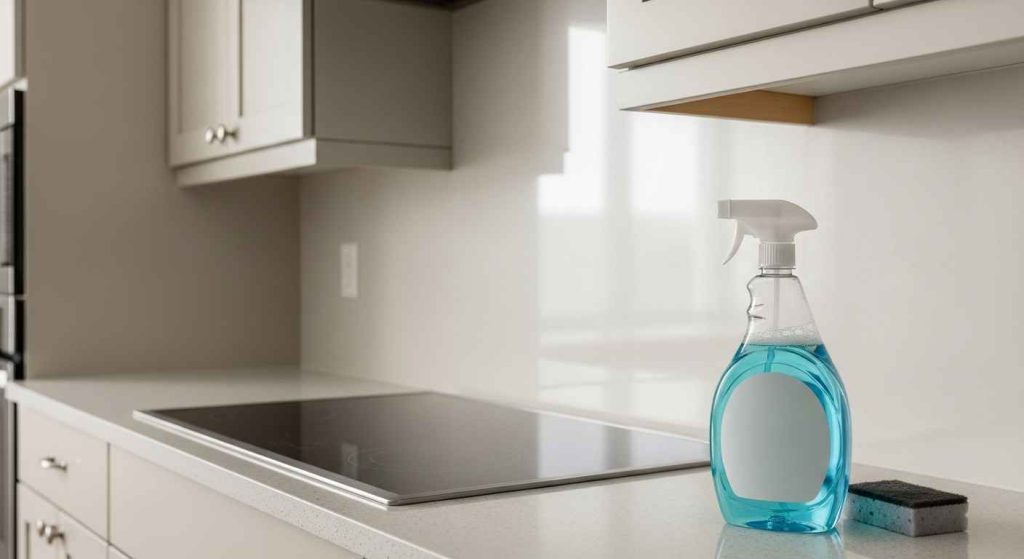
A dedicated degreasing spray is easy to make. Fill a spray bottle with warm water and a generous squirt of dish soap. Shake it gently to mix. This creates a powerful degreasing spray for areas near the stove. Spray on a cloth and wipe. The soap breaks down grease quickly.
9. Clean Glass Fronts Streak-Free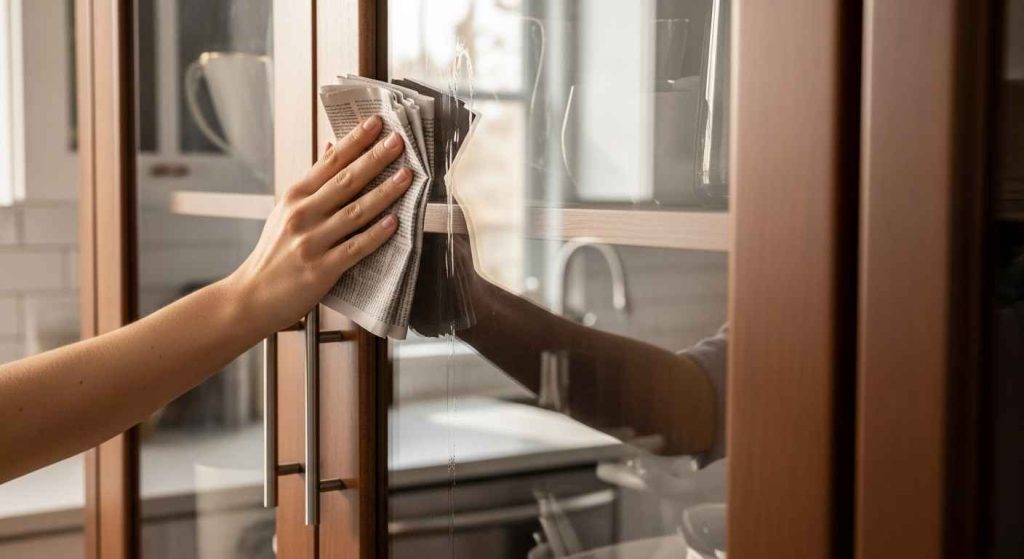
For glass cabinet doors, avoid streaky cleaners. Use a solution of one part vinegar to four parts water. Spray it on a microfiber cloth or use crumpled newspaper to wipe the glass. Newspaper works surprisingly well for a streak-free finish. Dry with a separate clean, dry cloth.
10. Scour Tough Grime with Salt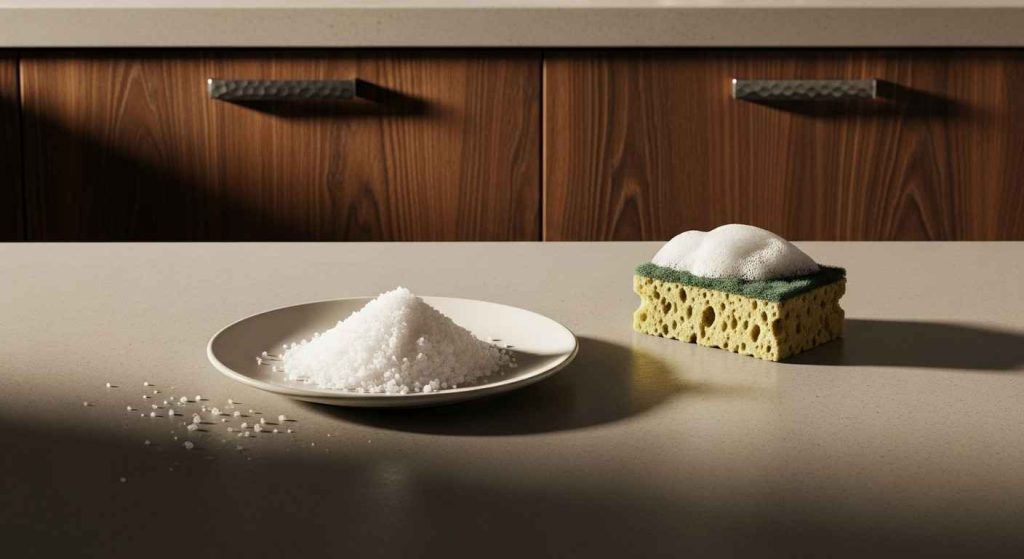
Salt is a gentle abrasive. For baked-on grime, sprinkle some salt on a damp sponge. Scrub the area gently. The salt granules help lift stubborn residue without scratching. This works well on hardware and tough spots. Rinse with a wet cloth.
11. Maintain with Daily Dusting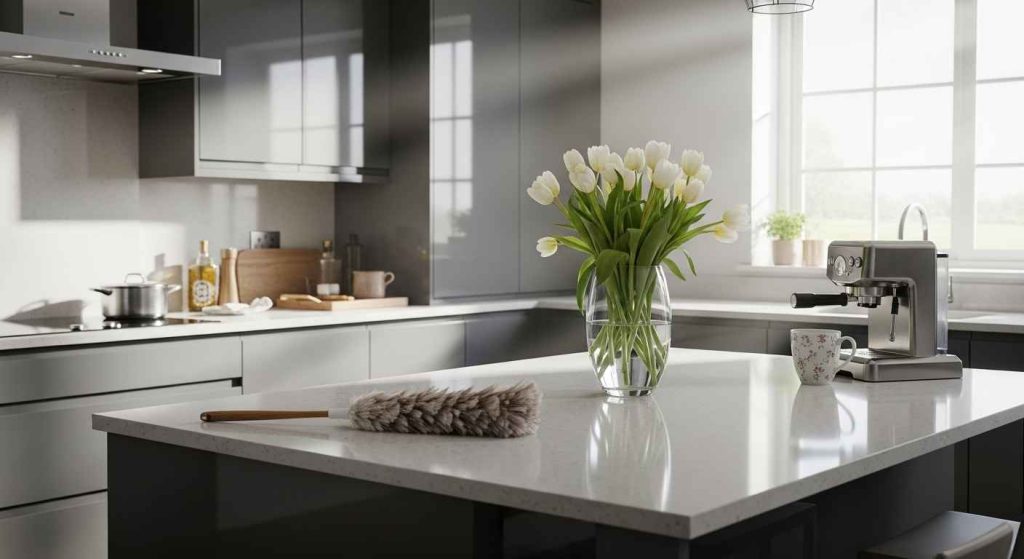
A quick daily dusting prevents buildup. Use a soft microfiber cloth or a feather duster. Run it over the cabinet fronts and handles. This takes less than a minute but makes a big difference. It keeps dust and crumbs from settling.
12. Organize Before You Clean
Empty your cabinets before a deep clean. Take everything out and group items. Wipe down the empty shelves and interior. This allows you to clean thoroughly and reorganize your space efficiently. It is the perfect time to declutter.
13. Protect Hardware During Cleaning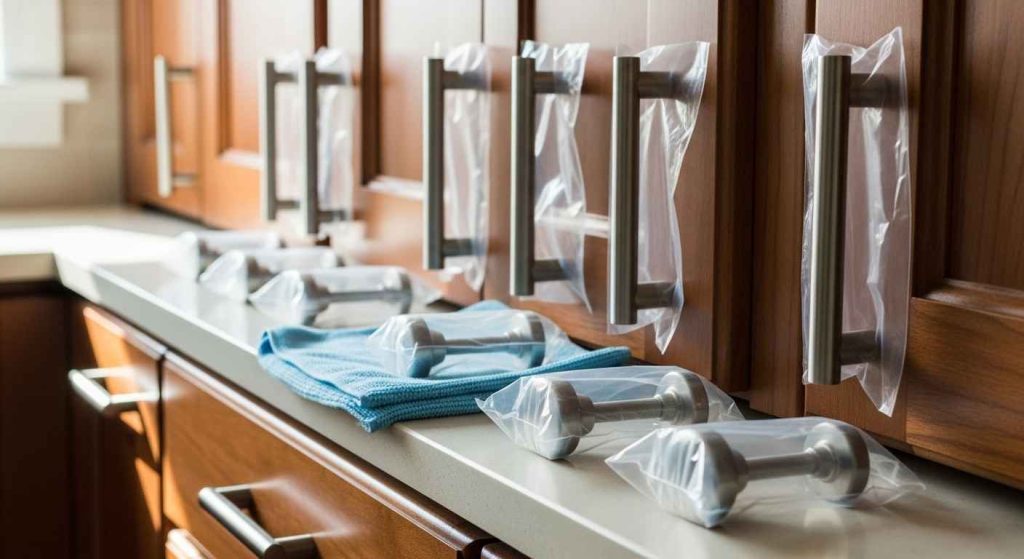
Harsh cleaners can damage cabinet hardware. Before you start, cover knobs and handles with small plastic bags. Secure them with rubber bands. This protects the finish from cleaning solutions. You can clean the hardware separately with a milder solution.
14. Target Greasy Upper Cabinets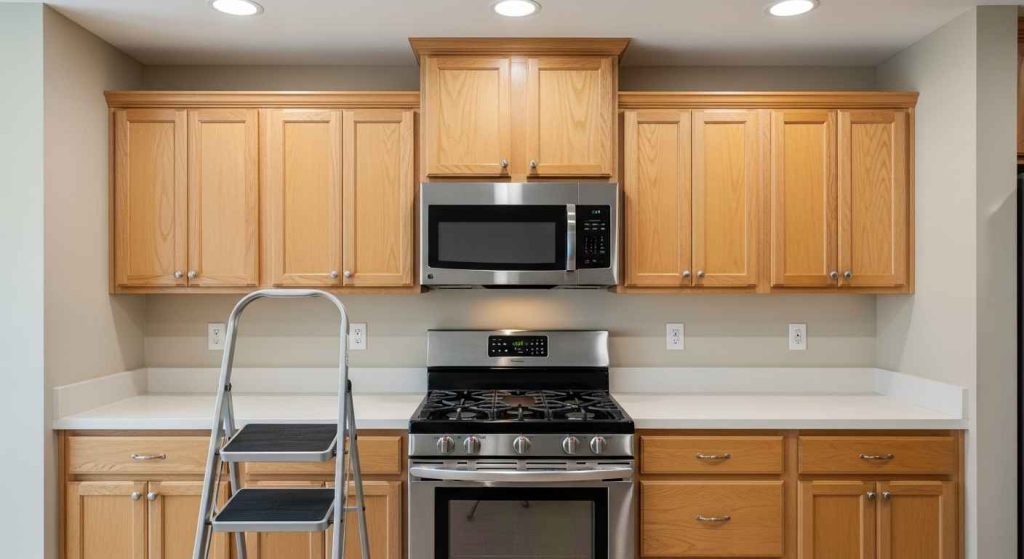
Cabinets above the stove collect the most grease. Make these a priority. Use your vinegar or dish soap spray. Wipe from the top down. Pay extra attention to this area during your weekly wipe. It will stay cleaner longer.
15. Revitalize Stained Wood Cabinets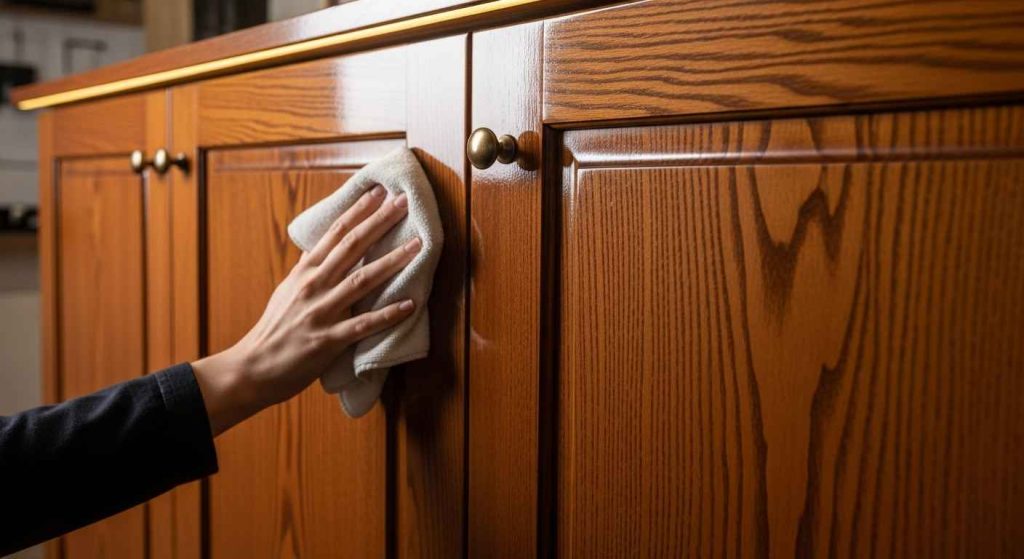
Stained wood can look dull over time. Use a wood cleaner made for stained finishes. Apply it with a soft cloth and buff gently. This restores the rich color and protects the wood. Avoid silicone-based polishes that can build up.
16. Clean Inside Cabinet Doors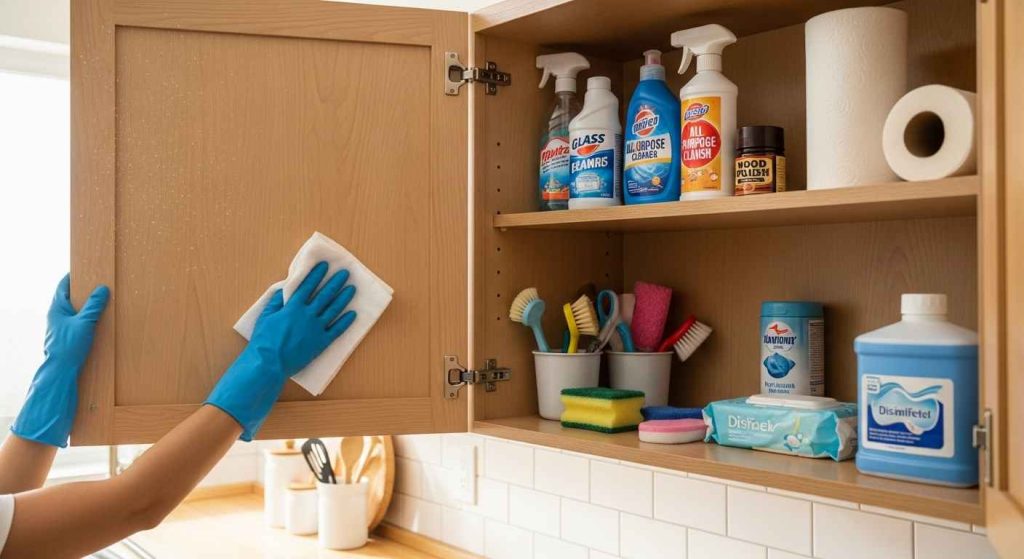
Do not forget the inside of the doors. Splatters and fingerprints can accumulate there. Use your all-purpose soap solution. Wipe the entire surface. This hidden area benefits from a quick clean during your routine.
17. Freshen Up Cabinet Interiors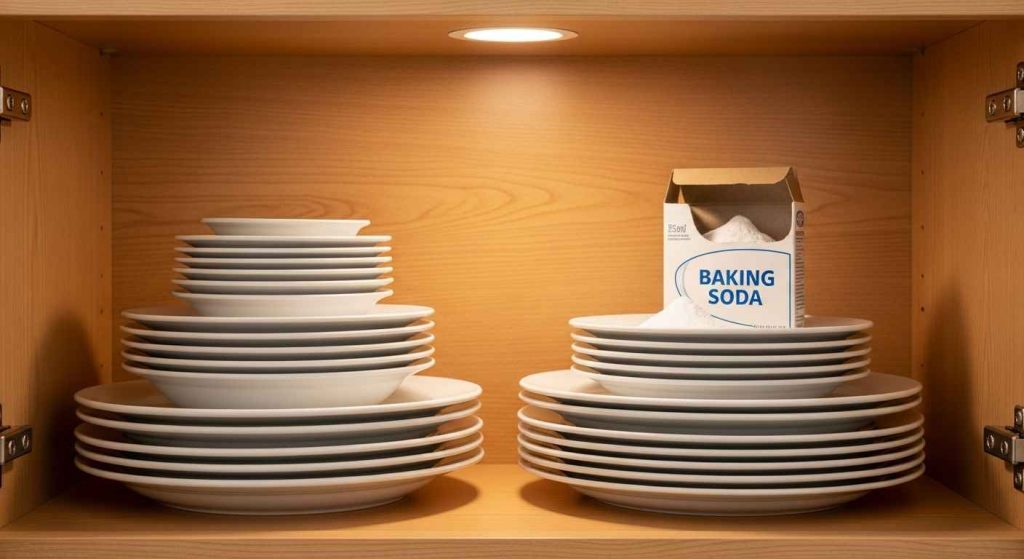
Keep the inside of your cabinets fresh. Place an open box of baking soda on a shelf to absorb odors. You can also add a drop of essential oil to a cotton ball. This simple trick keeps things smelling clean.
18. Lift Stickers and Glue Residue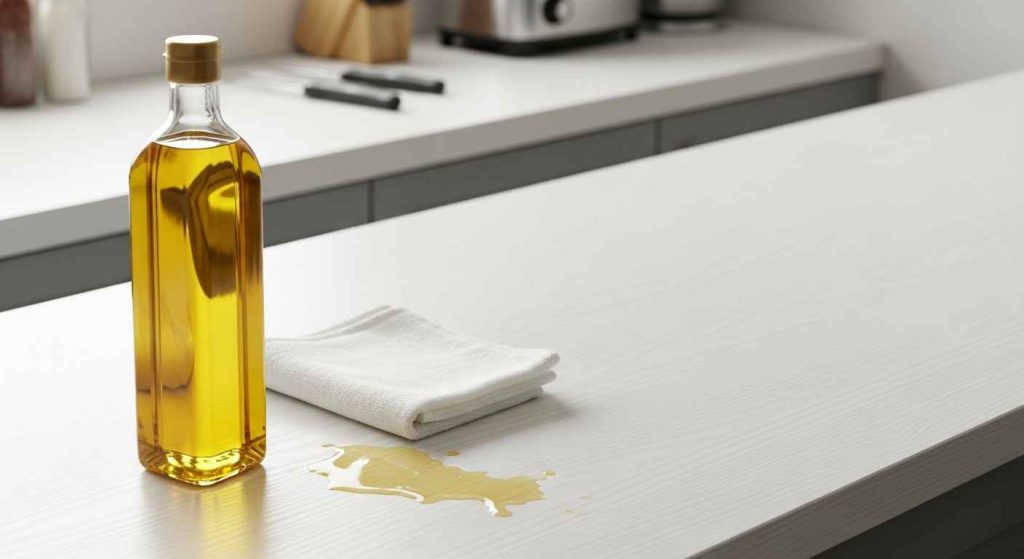
To remove sticker residue, use a little cooking oil. Apply it to the sticky spot and let it sit for a few minutes. The oil will break down the glue. Wipe it away with a cloth. Cooking oil dissolves glue effectively and safely.
19. Clean Cabinet Tops and Ledges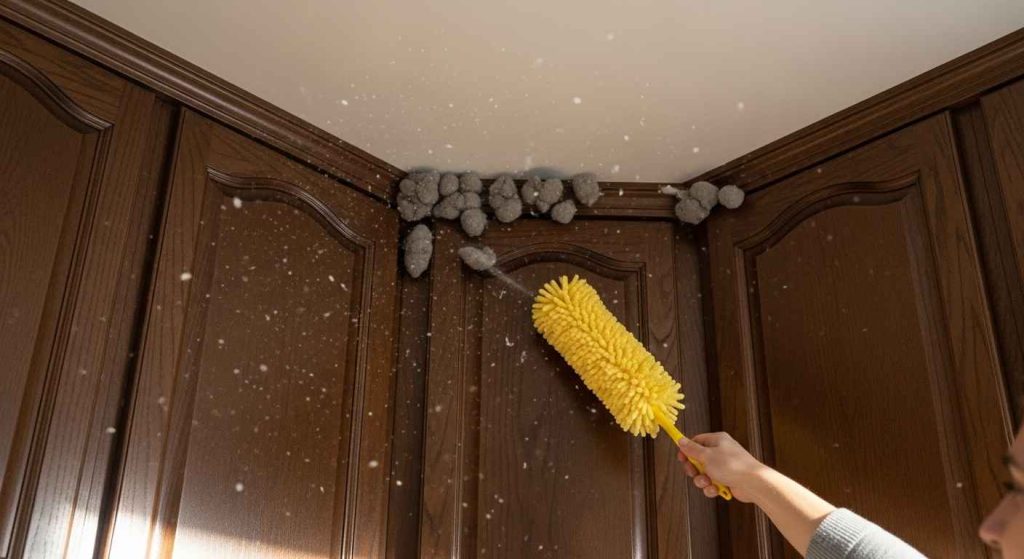
Dust and grease collect on the tops of cabinets. This area is often overlooked. Use a long-handled duster or a damp cloth over a mop head. Clean this hidden surface monthly to improve air quality.
20. Polish Metal Handles and Knobs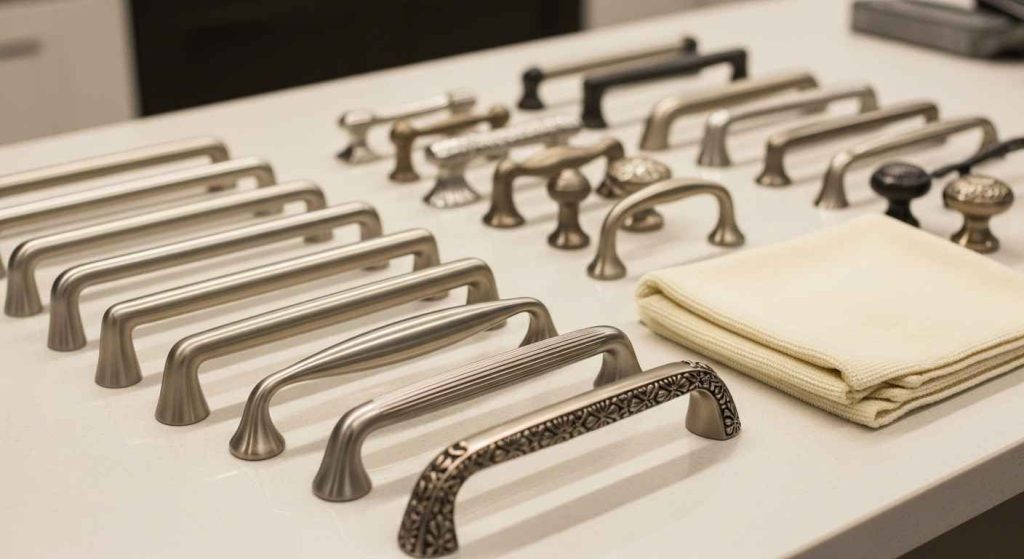
Metal handles need special care. For daily cleaning, a soapy cloth works. For a deeper polish, use a dedicated metal cleaner. Apply it with a soft cloth. Buff to a bright shine to keep them looking new.
21. Dry Thoroughly to Prevent Warping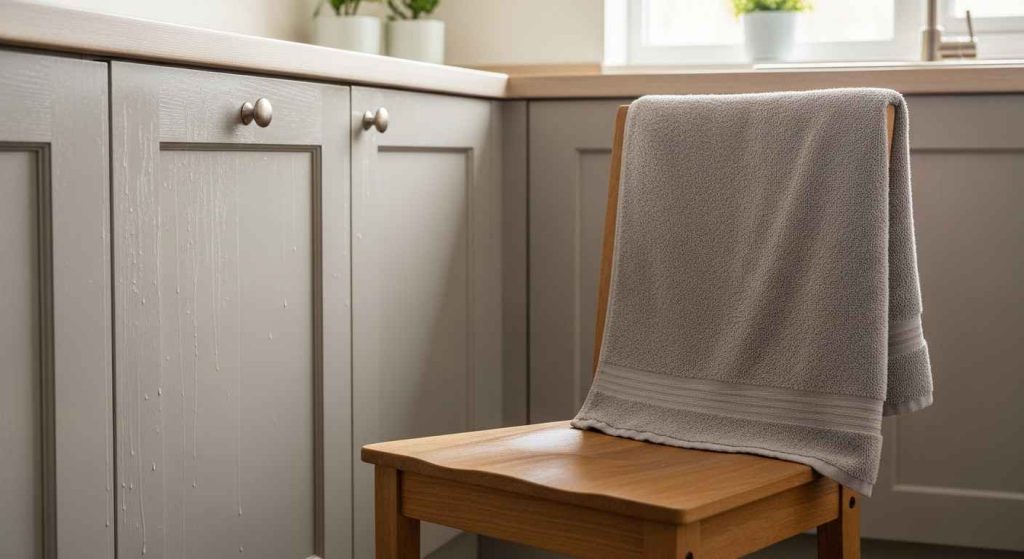
After cleaning, always dry your cabinets. Use a clean, dry towel to wipe away any moisture. Prevent water damage by ensuring no water seeps into the seams. This is especially important for wood cabinets.
22. Establish a Weekly Wipe-Down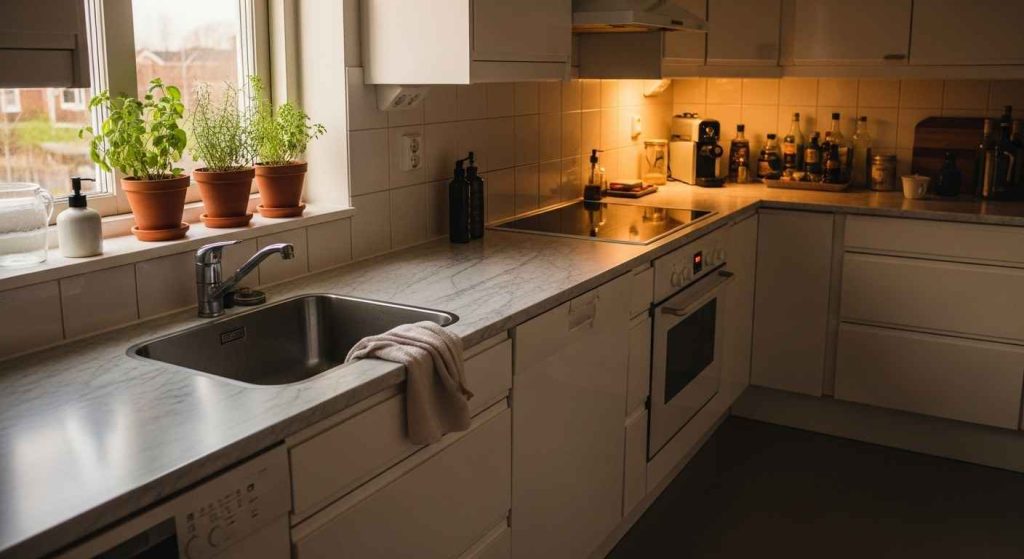
Set a simple weekly habit. Take five minutes to wipe down all your cabinet fronts with a damp cloth. This prevents grime buildup and makes deep cleaning easier. Consistency is key.
23. Create a Monthly Deep-Clean Routine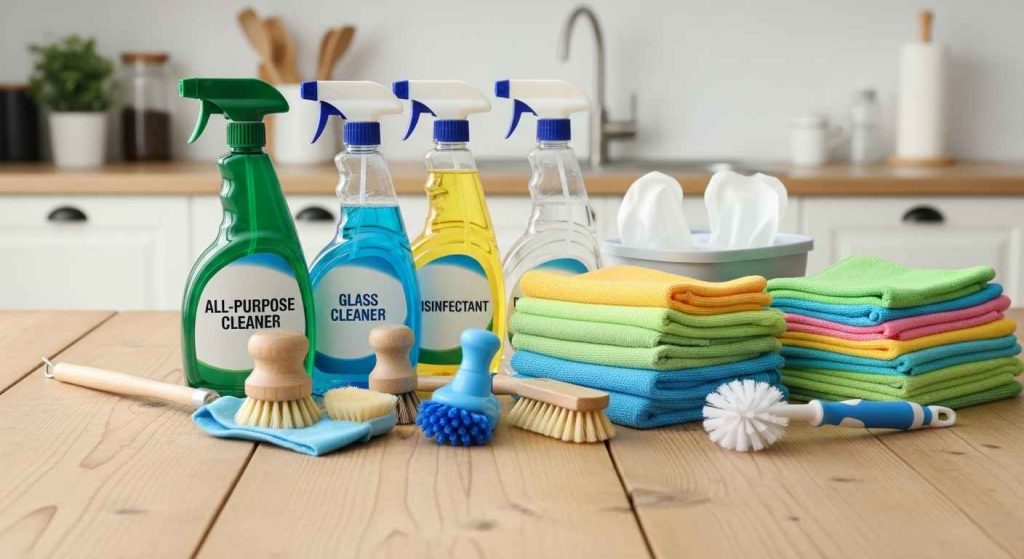
Once a month, do a more complete job. This includes wiping interiors, organizing shelves, and cleaning hardware. A monthly deep-clean keeps your entire kitchen in great shape. It feels good to maintain a clean space.
Pick one tip to try this week. A small change can make your kitchen feel cleaner and more organized. Regular care is easier than a big cleanup later. Your kitchen will thank you.