

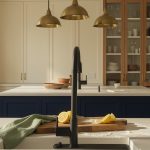

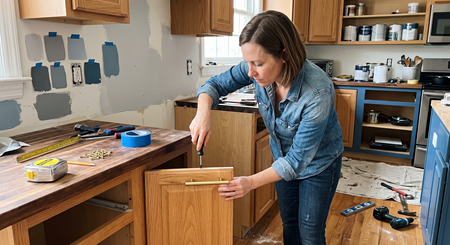
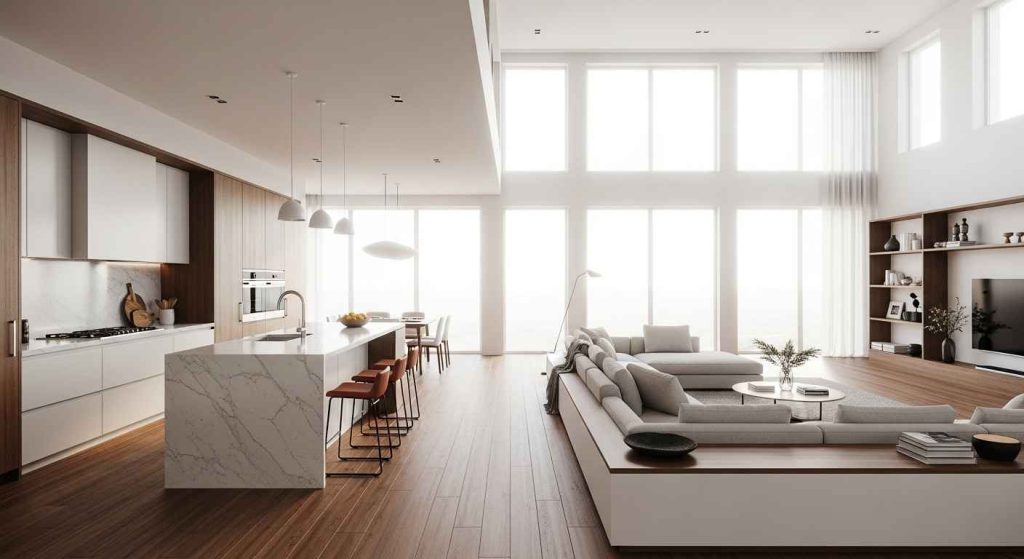

An open concept layout makes a home feel larger and more connected. It brings together the kitchen, dining, and living areas into one flowing space. This design encourages conversation and makes entertaining easy. Light moves freely, and sightlines are clear. You can cook while still being part of the action. These ideas show how to create a modern open concept that feels bright, functional, and welcoming.
1. The Statement Kitchen Island


A large kitchen island becomes the heart of an open plan. It provides extra counter space for cooking and a spot for quick meals. Choose a durable material like quartz or butcher block for the top. For a budget-friendly option, consider using a pre-made base and adding a custom-cut countertop. An island with built-in storage helps keep clutter out of sight. This central piece naturally draws people together.
2. Seamless Indoor-Outdoor Flow


Connecting your interior to the outdoors expands your living area. Large sliding or folding glass doors are the key. They open the entire wall to a patio or garden. Use the same or similar flooring inside and out to make the space feel continuous. A simple DIY project is to add a container garden just outside the doors. This creates a green view and strengthens the indoor-outdoor link.
3. Monochromatic Material Palette


Using a single color family makes a space feel larger and calmer. Stick to shades of white, gray, or beige. The trick is to mix materials. Combine matte cabinets with a glossy tile backsplash and a textured rug. This adds visual interest without clutter. You can refresh your space by painting all your walls and cabinets in a new, unified neutral tone. This approach is cost-effective and creates a high-end look.
4. The Integrated Living Kitchen


In a modern open concept, the kitchen is not separate. It is part of the living zone. Arrange seating, like a sofa or armchairs, to face the kitchen. This setup makes the cook part of the conversation. Use a console table or a low bookshelf to define the areas without building a wall. This layout is perfect for families and makes daily life more interactive.
5. Sleek Handleless Cabinetry


Handleless cabinets offer a clean, streamlined look. They use integrated grooves or push-to-open mechanisms instead of hardware. This style minimizes visual clutter and makes cleaning easier. For a budget-friendly update, you can replace your existing cabinet pulls with recessed finger-pull hardware. This small change modernizes your kitchen instantly. The smooth surfaces reflect light, helping the space feel more open.
6. A Wall of Functional Storage


A full-height storage wall keeps an open plan tidy. It consolidates everything from books to office supplies to media equipment. Mix open and closed storage to balance display and concealment. Paint the storage the same color as the walls to make it recede visually. A simple DIY idea is to build floating shelves between two existing cabinets. This adds display space without a major renovation.
7. The Sunken Living Zone
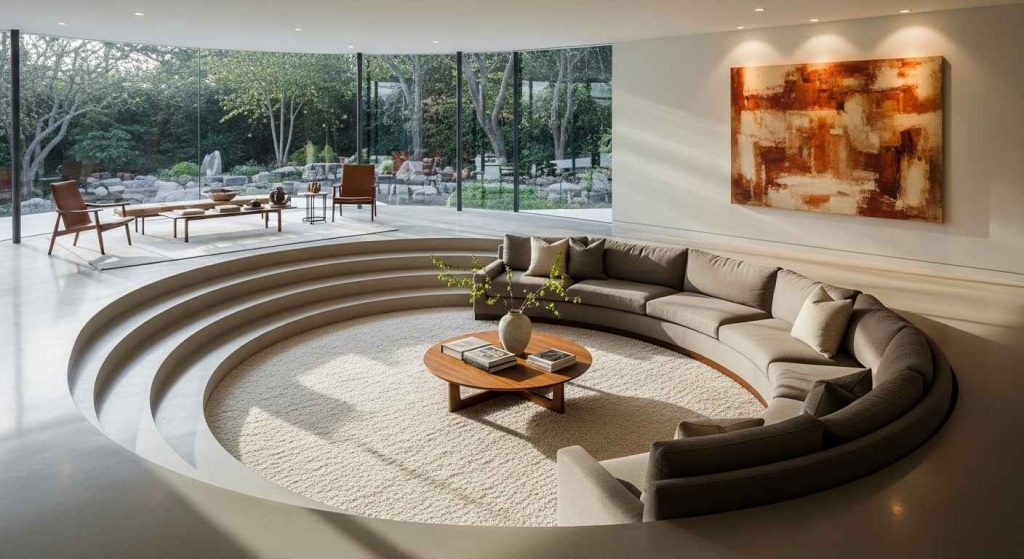

A sunken living area, or conversation pit, defines a space without walls. Lowering the floor by just a step or two creates a natural boundary. It makes the seating area feel cozy and separate. This is a more involved project, but you can create a similar effect by using a large, plush area rug and low-slung furniture. This design trick makes the living zone feel like its own special room.
8. Bold Pendant Lighting
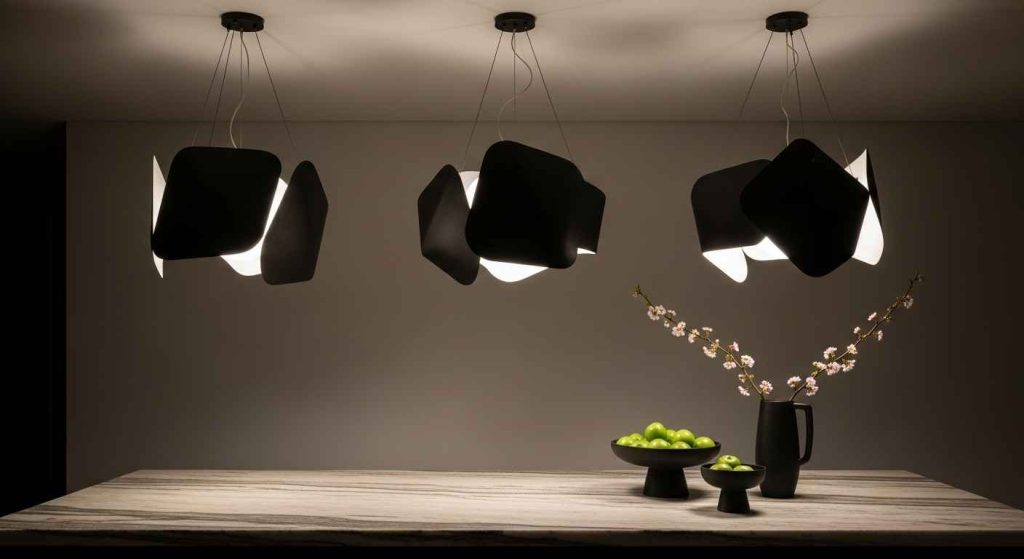

Pendant lights are both functional and artistic. Over a kitchen island, they provide task lighting and become a visual anchor. Choose fixtures with a strong shape or color to make a statement. You don’t need to spend a lot. A budget-friendly tip is to shop for secondhand or vintage pendants and spray-paint them a new color. Grouping two or three lights together creates a balanced look.
9. The Cohesive Flooring Run


Using the same flooring throughout an open plan unifies the space. It eliminates visual breaks and makes the area appear larger. Hardwood, luxury vinyl plank, or large-format tiles work well. If replacing flooring is not possible, use large area rugs in a similar color palette to tie different zones together. Consistent flooring is a simple foundation for a cohesive design.
10. A Dramatic Double-Sided Fireplace


A double-sided fireplace serves as a stunning room divider. It provides warmth and ambiance to both the living and kitchen areas. It creates a focal point without blocking light or views. While building one is a significant project, you can achieve a similar feel with a freestanding, two-sided ethanol fireplace. These units require no chimney and can be placed more flexibly.
11. The Hidden Scullery Kitchen


A scullery, or second kitchen, hides the mess of meal prep. It’s a small room behind a door where you can store small appliances and do messy work. This keeps the main kitchen clean and photo-ready. If you don’t have a separate room, dedicate a tall pantry cabinet to be your “scullery.” Use it to store your blender, toaster, and mixing bowls behind closed doors.
12. Floor-to-Ceiling Glass Walls


Maximizing glass brings the outside in and floods the space with light. Floor-to-ceiling windows or sliding doors make a room feel much larger. They provide uninterrupted views and a connection to nature. For a more affordable approach, use standard-sized windows but place them together to create a larger glass effect. Good window placement is key to a bright home.
13. The Multi-Level Ceiling
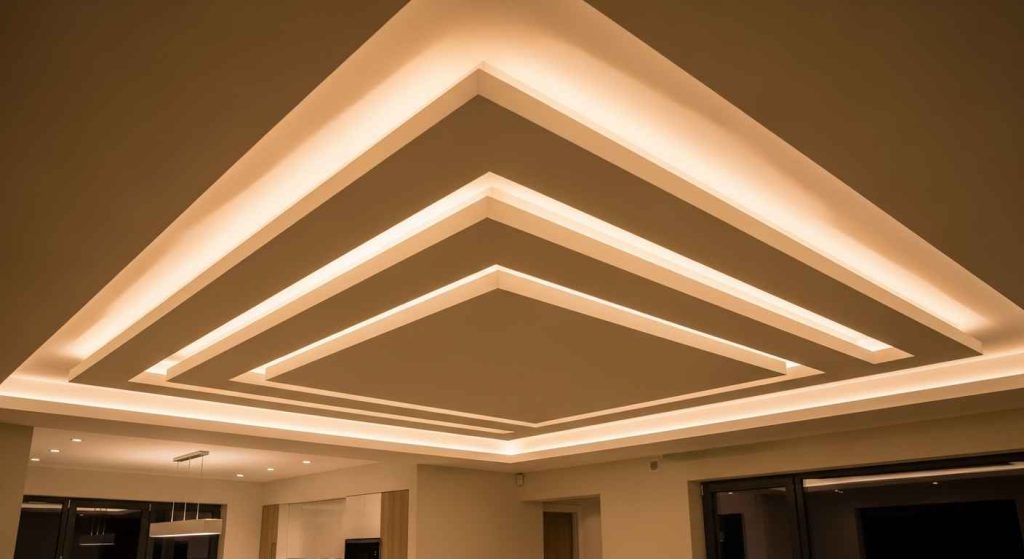

Changing ceiling heights can define different zones in an open plan. A lower ceiling over the kitchen can make it feel cozy, while a higher ceiling in the living area feels grand. This is often done with soffits or dropped panels. A simpler DIY alternative is to paint the ceiling over your dining area a slightly darker color than the rest. This creates a subtle sense of separation.
14. Seamless Smart Home Integration


Technology should work quietly in the background. Smart lights, thermostats, and speakers can be controlled from your phone, reducing clutter. Choose devices with a neutral color that blends with your walls. You can start small with a budget-friendly smart plug to control a lamp. This adds convenience without a full system overhaul. A tidy space feels more open and calm.
15. The Breakfast Bar Peninsula


A peninsula is like an island that’s attached to a wall on one end. It offers similar benefits—extra counter space and seating—but often at a lower cost. It also acts as a gentle divider between the kitchen and living area. You can add an overhang to one side for bar stool seating. This is a great solution for narrower spaces where a full island wouldn’t fit.
16. Textural Contrast with Wood & Stone


Combine different natural materials to add depth. Pair cool, smooth stone with warm, grainy wood. This contrast is pleasing to the eye and makes a space feel curated. You don’t need expensive stone slabs. Use stone-look porcelain tiles for your backsplash and add a solid wood dining table. Introducing texture through affordable accessories like a jute rug or a woven basket works well.
17. An Open Concept Home Office Nook


A dedicated work nook can fit into an open plan. Carve out a corner by a window for a small desk and some floating shelves. Use a room divider like a tall plant or a open bookshelf to give a sense of privacy. Keep cords organized with simple clips or a cable management box. This creates a functional workspace without needing a separate room.
18. The Centralized Modern Hearth


A central fireplace becomes the literal and figurative heart of the home. A linear or low-profile design keeps sightlines open. It provides warmth and a focal point for both the living and kitchen areas. While building one is complex, a freestanding fireplace stove placed in the center of the room can create a similar gathering spot. This arrangement encourages people to sit around it.
19. Strategic Zoning with Area Rugs


Rugs are an easy way to define different zones. Use a large, plush rug under your sofa to anchor the living area. A durable, easy-to-clean rug works well under the dining table. Make sure the rugs are large enough—the front legs of your furniture should sit on the living room rug. This is a simple way to organize your space without construction.
20. The Floating Staircase Effect


A floating staircase minimizes visual weight. Its open design allows light to filter through and views to remain unobstructed. This makes a space feel more expansive. If a full staircase remodel isn’t possible, you can paint your existing stair risers and handrail the same color as the wall. This helps the staircase blend in and recede, creating a lighter look.
21. A Cohesive Color Story
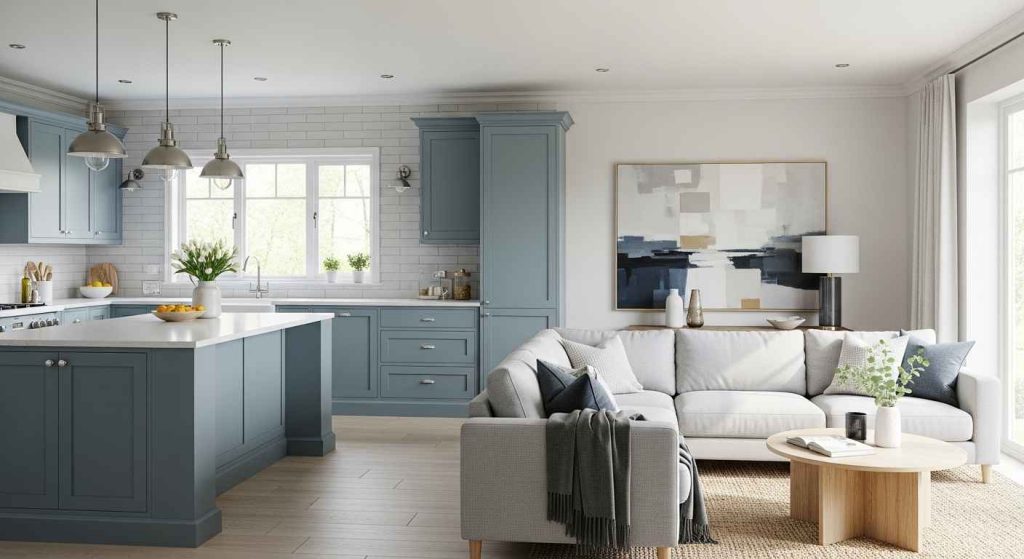

Choose a simple color palette and repeat it throughout the space. Pick two or three main colors and use them in different elements—walls, furniture, and accessories. This repetition creates a sense of harmony. A budget-friendly way to test this is with paint samples and fabric swatches. Seeing how colors work together in your light helps you build a cohesive story.
22. The Entertainer’s Wet Bar


A small wet bar makes entertaining easy. It can be as simple as a dedicated cabinet with a wine fridge or a console table with a bar tray. Locate it between the kitchen and living area for easy access. You can create a DIY bar cart from a rolling kitchen island. Stock it with glasses, a ice bucket, and your favorite drinks for impromptu gatherings.
23. Accent Walls for Definition


An accent wall adds depth and defines a zone without closing it off. Paint one wall a bold color or use a textured wallpaper. This draws the eye and gives a specific area, like the living room, its own identity. This is one of the easiest and most affordable DIY projects. A single gallon of paint can completely change the feel of your space.
24. Streamlined Integrated Appliances


Integrated appliances are concealed behind cabinet panels. This creates a seamless, minimalist kitchen aesthetic. The kitchen looks more like furniture and less like a utility room. While custom panels can be pricey, many appliance brands now offer standard panel-ready models. You can start with your dishwasher or refrigerator to achieve a cleaner look over time.
25. The Minimalist Gallery Wall


A gallery wall adds personal style without taking up floor space. Use a grid layout with identical frames for a clean, modern look. Stick to a limited color palette for the artwork itself. You can use affordable poster prints and standard frames from any home goods store. Hanging pictures at eye level makes the space feel curated and complete.
Start with one change that feels manageable. Maybe it’s painting an accent wall or adding a new rug. Small updates can make a big difference in how your open concept space feels. Choose an idea that solves a problem you have right now, like needing more seating or better lighting. Your home will feel more like you with each step you take.