




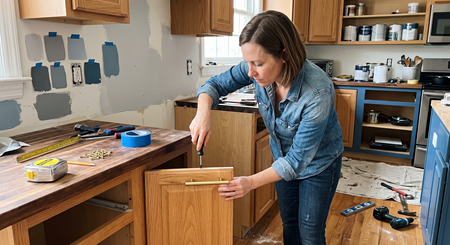
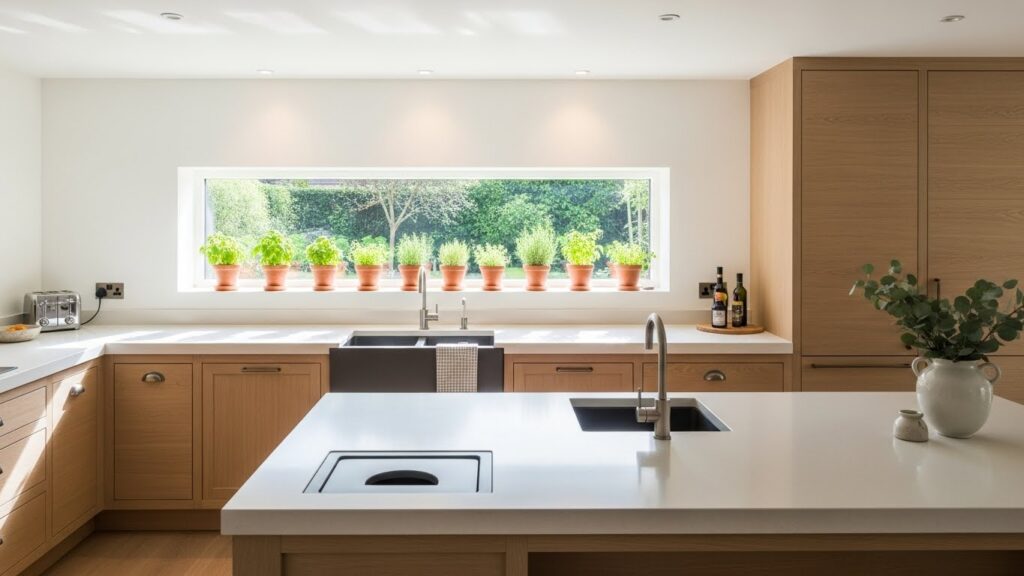

A modern eco kitchen combines smart design with sustainable choices. It is a space that works efficiently and reduces waste. You can start with small changes. Many ideas are simple and affordable. This approach saves resources and creates a healthy home. Your kitchen can be both beautiful and responsible.
1. The Heart of a Modern Eco Kitchen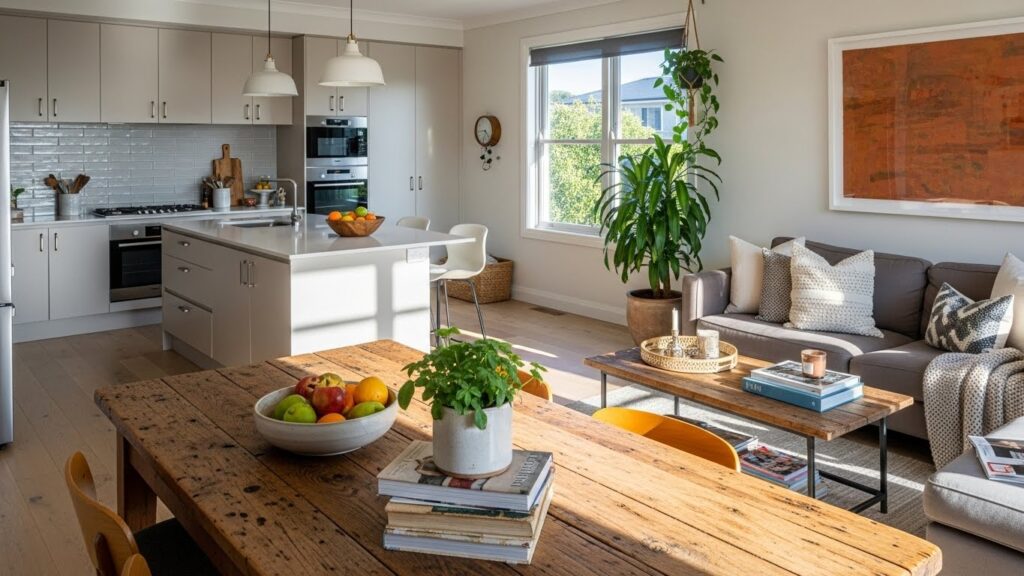

The heart of an eco kitchen is a thoughtful design. It focuses on reducing waste and energy use. This creates a space that is good for your home and the planet. Start by planning your layout for better workflow. A well-organized space makes sustainable habits easier. For a budget-friendly update, simply rearrange your counters to group similar tasks together. This small change can improve efficiency without any cost.
2. Energy-Efficient Appliance Upgrades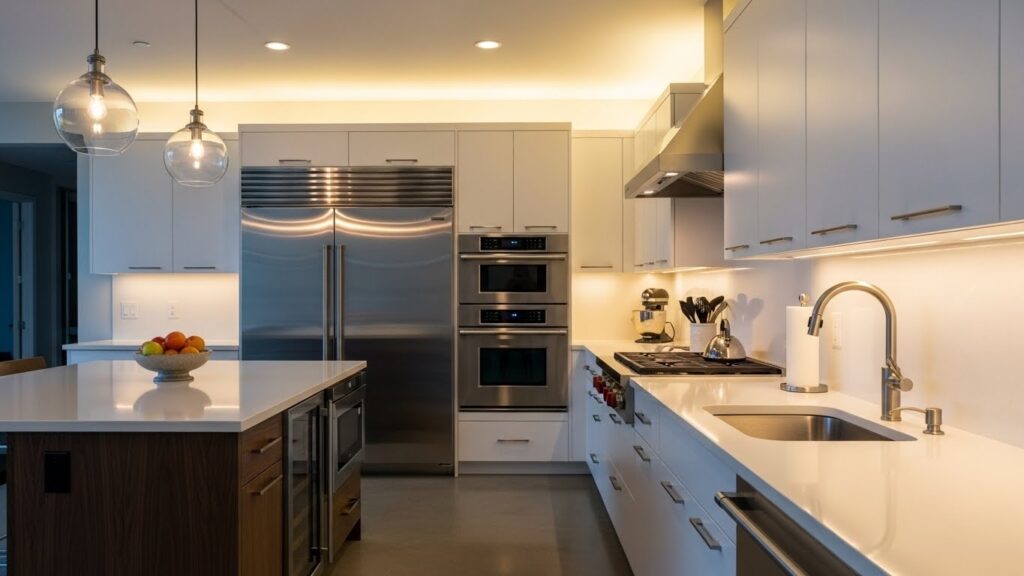

New appliances can cut your energy bills. Look for the Energy Star label when you shop. These models use less electricity and water. They perform just as well as standard options. A budget-friendly tip is to replace your oldest appliance first. The refrigerator is often the biggest energy user. This single upgrade can make a noticeable difference in your home’s overall consumption.
3. Smart Water-Saving Faucets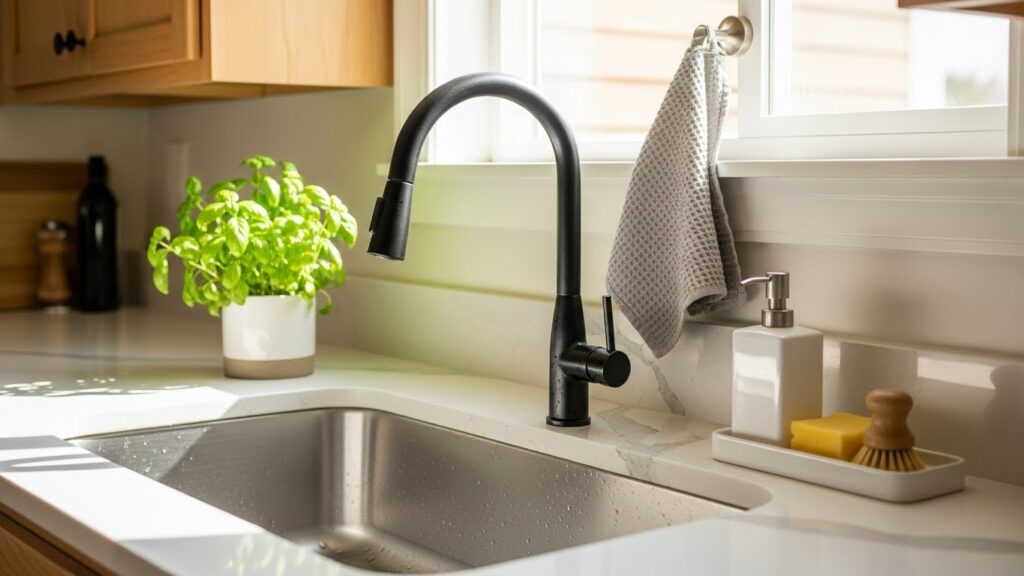

These faucets help you use less water without thinking about it. Many have motion sensors to turn water on and off. Others have aerators that mix air with the water stream. This gives you good pressure while using less. You can install an aerator on your current faucet for a few dollars. It is a simple DIY project that provides immediate water savings.
4. Induction Cooktop Efficiency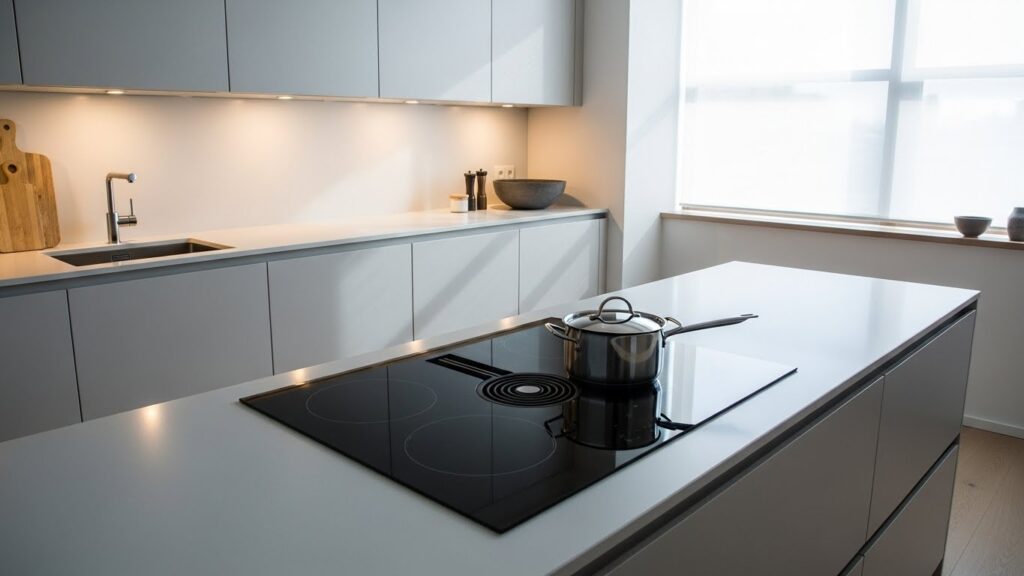

Induction cooktops heat food faster than gas or electric coils. They are also safer because the surface stays cool. This method uses energy only when a pot is on the burner. It is a precise way to cook. You can find single-burner induction units for a low cost. This lets you try the technology without replacing your entire stove.
5. Reclaimed Wood Kitchen Islands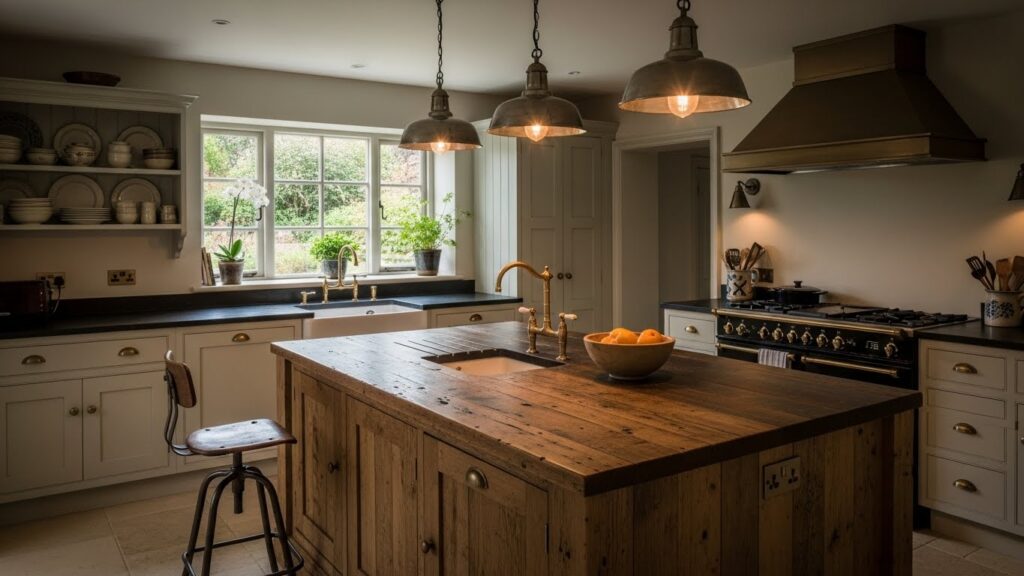

Reclaimed wood adds character and history to your kitchen. It gives old materials a new purpose. This wood is often more stable than new lumber. An island made from it becomes a beautiful focal point. Check local salvage yards for discounted wood planks. You can sand and seal them yourself to create a unique countertop or island surface.
6. Recycled Glass Countertops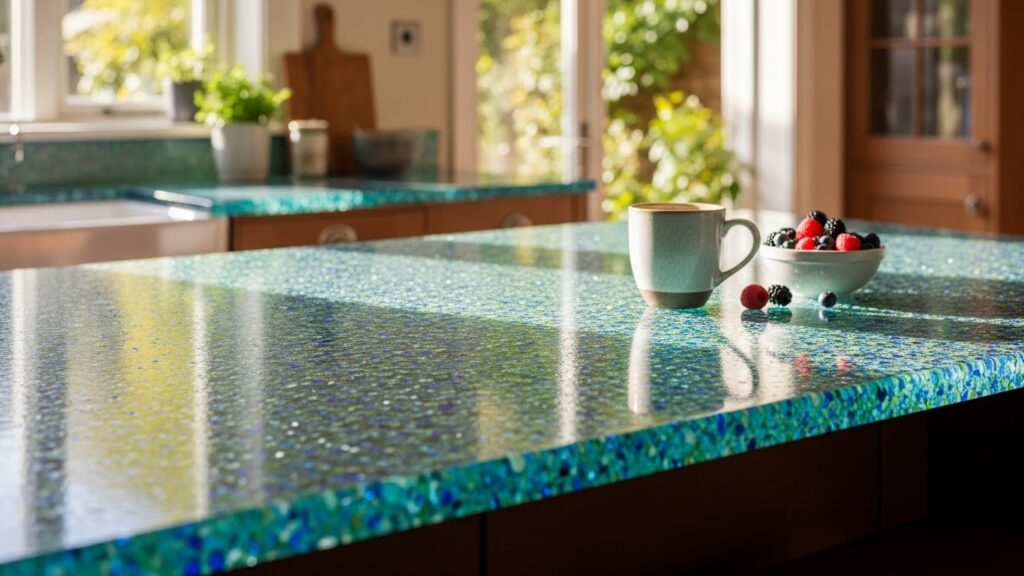

These countertops are made from crushed glass set in a binder. They are durable and resistant to stains. Each one has a unique, colorful pattern. They are a beautiful way to reuse materials. Look for local fabricators who use post-consumer glass. This supports local business and keeps waste out of landfills.
7. Bamboo Cabinets and Flooring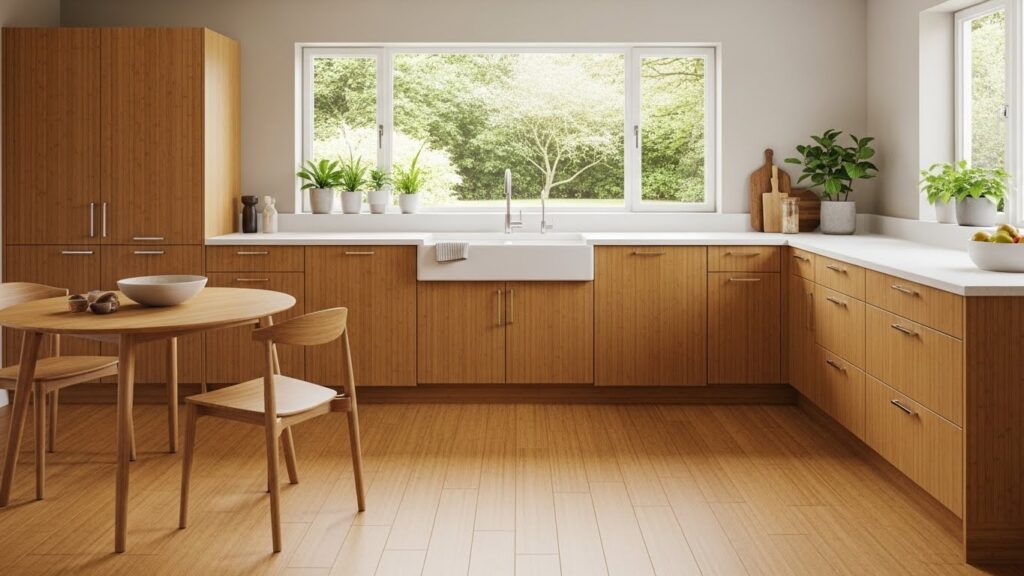

Bamboo is a grass that grows back quickly after harvesting. It is a strong and durable material for cabinets and floors. It brings a light, warm feel to any kitchen. Bamboo is often more affordable than traditional hardwoods. For a simple DIY project, consider bamboo drawer organizers or cutting boards to introduce this sustainable material.
8. Compost Bin Integration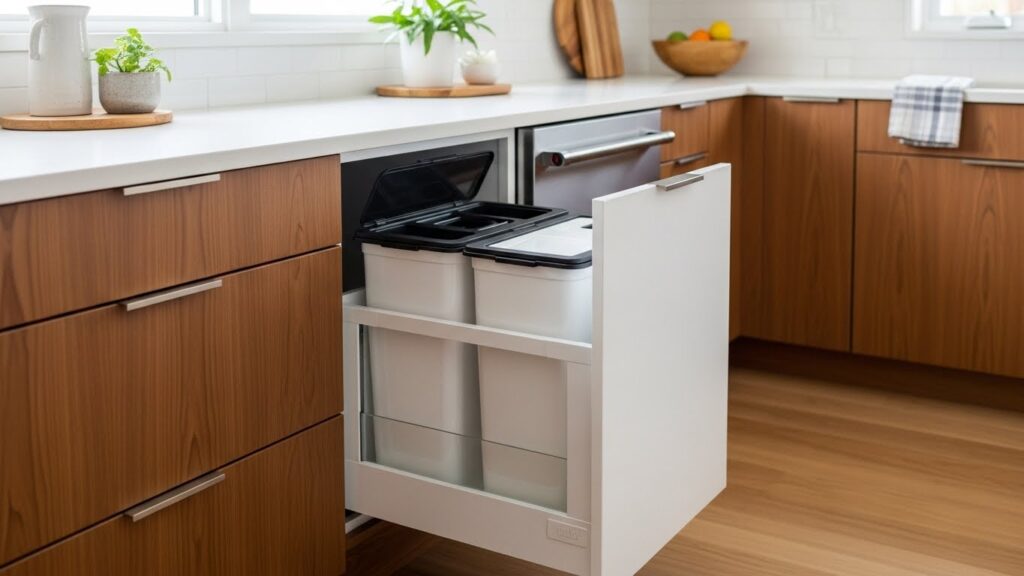

A built-in compost bin makes food scrap collection easy. It keeps odors contained and out of sight. You can turn kitchen waste into rich soil for plants. This reduces the amount of trash you produce. You can repurpose an old ceramic crock with a lid as a countertop compost collector. It is a stylish and free solution to get started.
9. Built-In Recycling Centers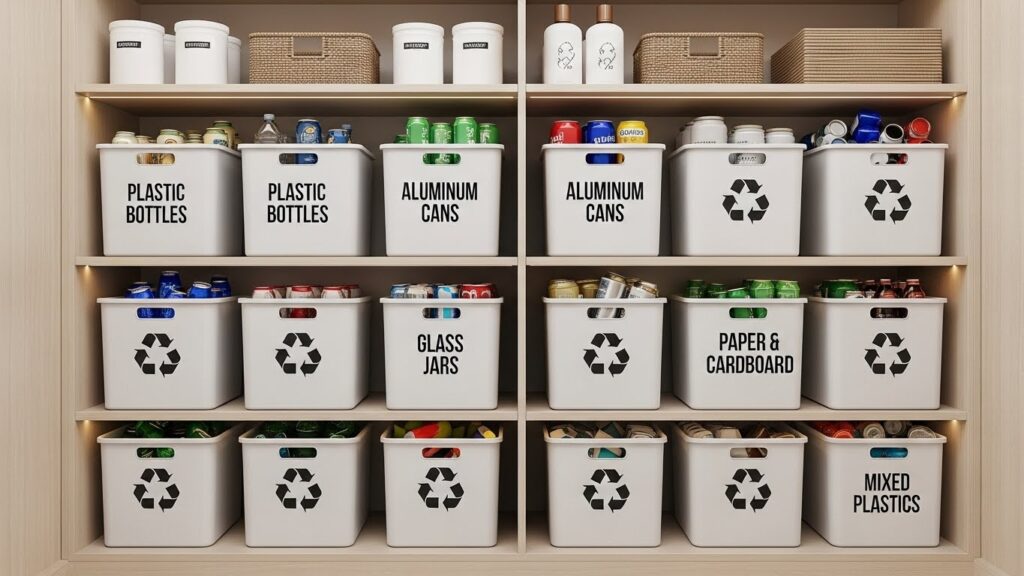

A dedicated spot for recycling makes the habit automatic. Sort bins for paper, plastic, glass, and metal. A built-in system keeps your kitchen looking clean. It simplifies taking everything out on collection day. Use old cardboard boxes as free, temporary bin liners. This is a zero-cost way to organize your recycling station right now.
10. Zero-Waste Pantry Organization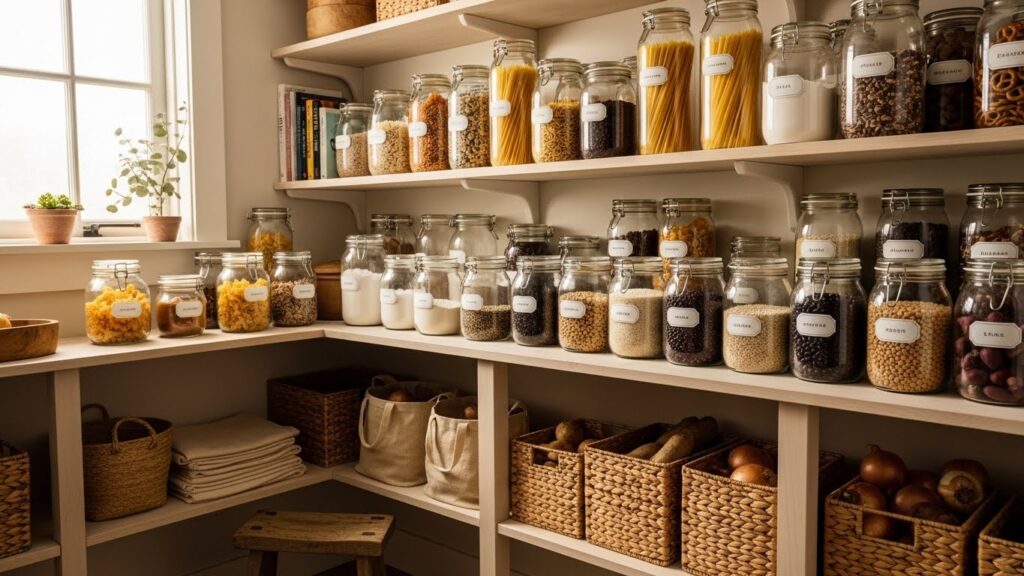

Store dry goods in reusable glass jars. This reduces packaging waste and keeps food fresh. You can see what you have, which helps prevent overbuying. A well-organized pantry cuts down on food waste. Take your own containers to shops that offer bulk bins. This simple habit saves money and eliminates single-use packaging.
11. LED Task and Ambient Lighting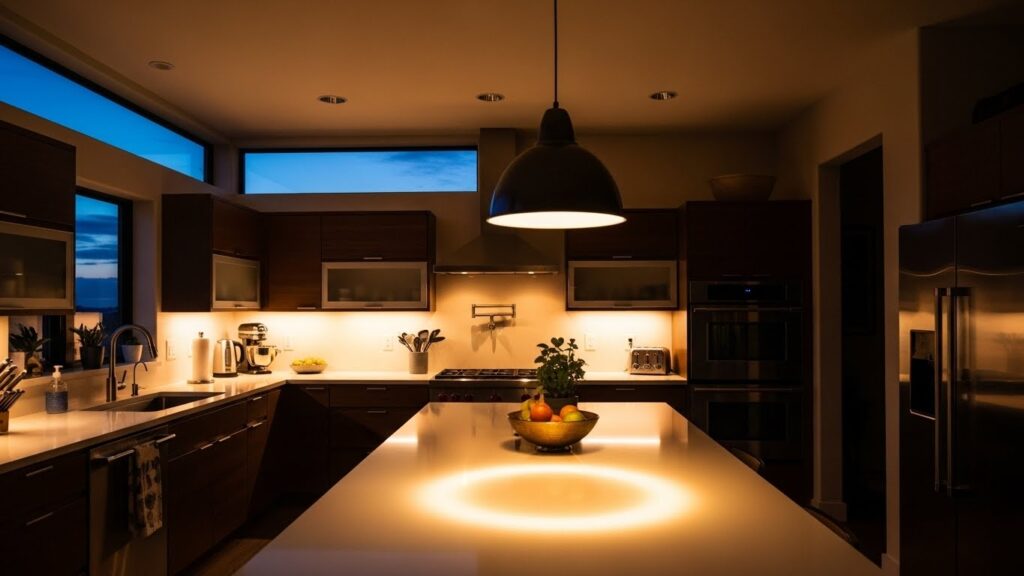

LED bulbs use a fraction of the energy of old bulbs. They also last for years. Use them under cabinets for task lighting and in ceiling fixtures for general light. They produce less heat, which helps keep your kitchen cooler. Swap out your most-used bulbs for LEDs first. This small investment pays for itself quickly on your electricity bill.
12. Natural Light Maximization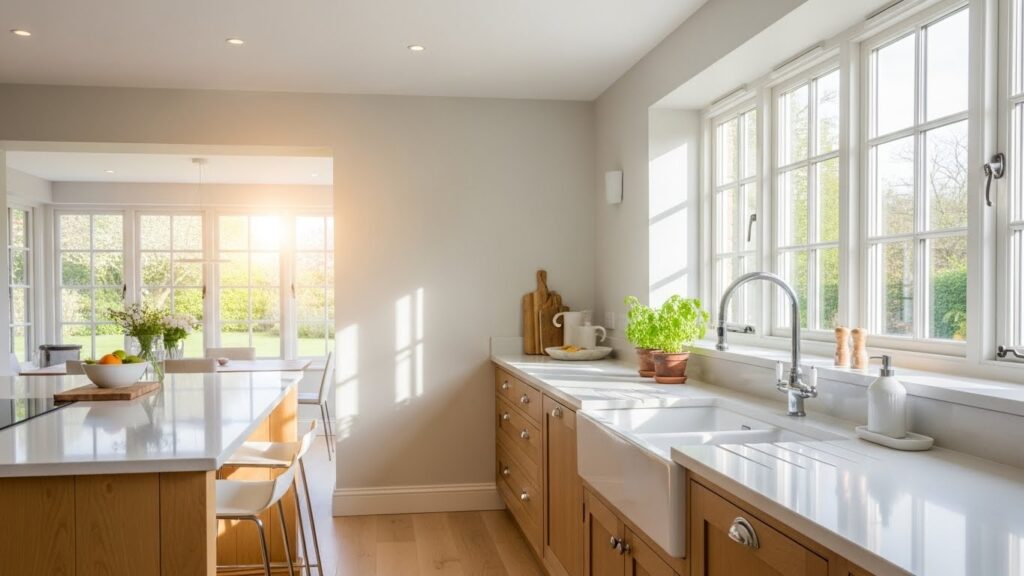

Using more natural light reduces the need for electric lights during the day. It also makes your space feel larger and more welcoming. Keep windows clean and use light window treatments. Place mirrors to help bounce light deeper into the room. Hang a simple mirror on a wall opposite a window. This is a low-cost trick to brighten a dark corner.
13. Low-VOC Paint and Finishes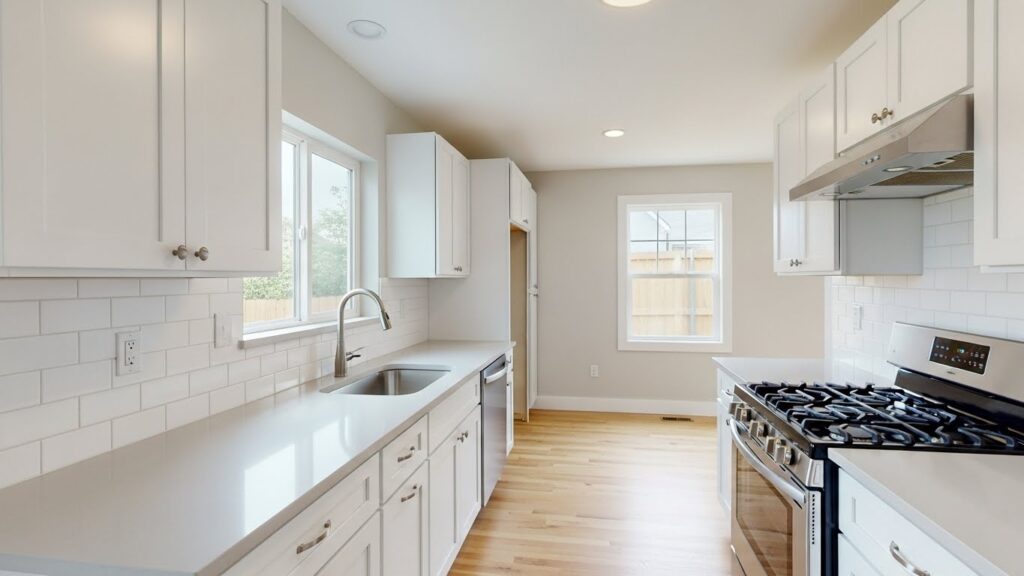

Traditional paints can release chemicals into your home’s air. Low-VOC options are much better for indoor air quality. They are now widely available in many colors. Look for these paints when refreshing your cabinets or walls. Many major brands offer affordable low-VOC lines. This makes it easy to make a healthier choice on any budget.
14. Upcycled Furniture and Decor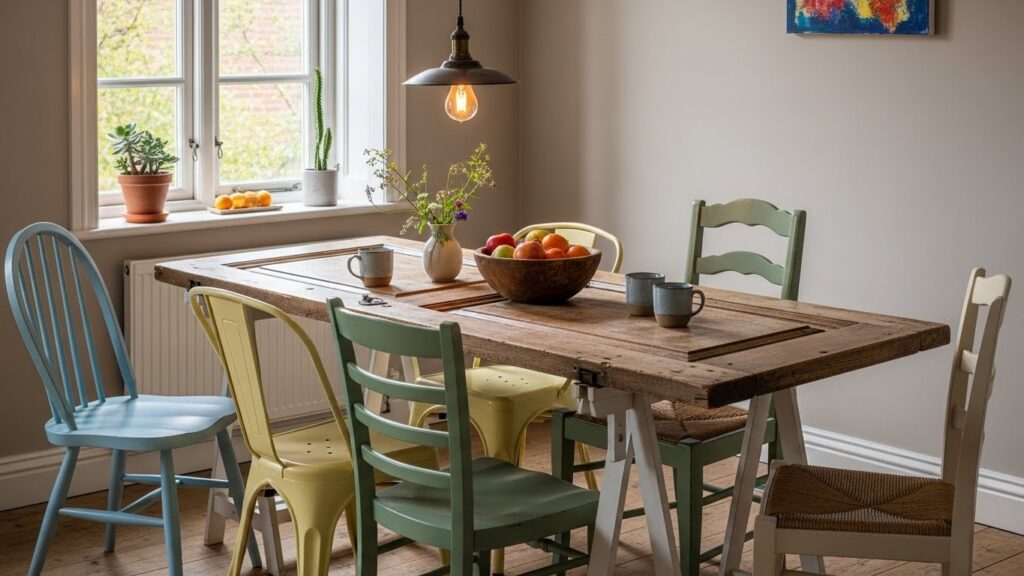

Upcycling gives old items a new life. An old door can become a table. Jars can become storage containers. This approach adds personality and cuts waste. It is often much cheaper than buying new. Visit a local thrift store for furniture with good bones. A little paint or new hardware can transform it into a one-of-a-kind piece.
15. Herb Gardens on Your Windowsill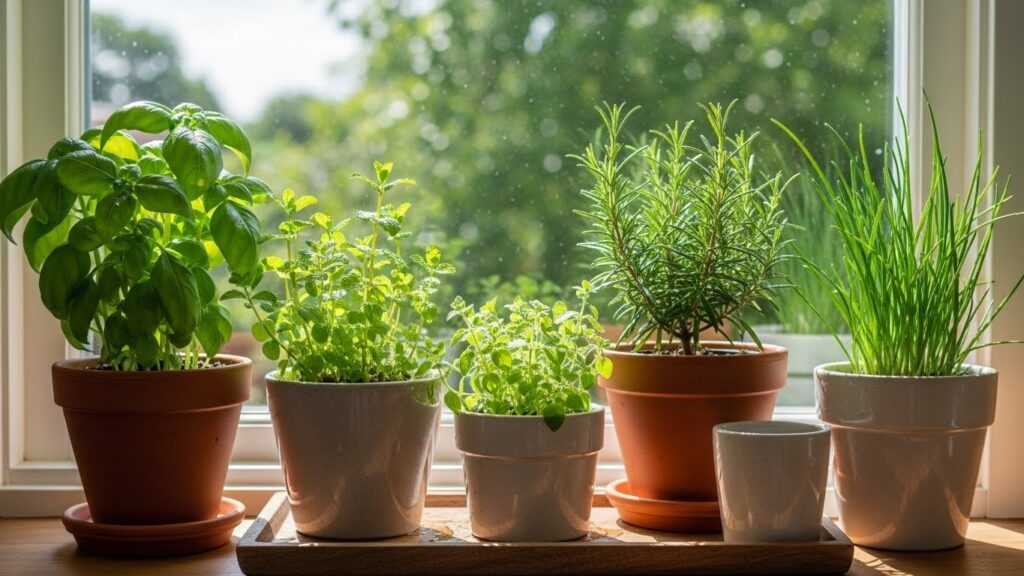

Growing your own herbs is simple and rewarding. You get fresh flavors for cooking and reduce plastic packaging from store-bought herbs. They only need sunlight, water, and a small pot. Start with easy-to-grow herbs like basil or mint. Save seeds from store-bought peppers or tomatoes and try planting them. It is a fun, free experiment for any windowsill.
16. Sustainable Backsplash Materials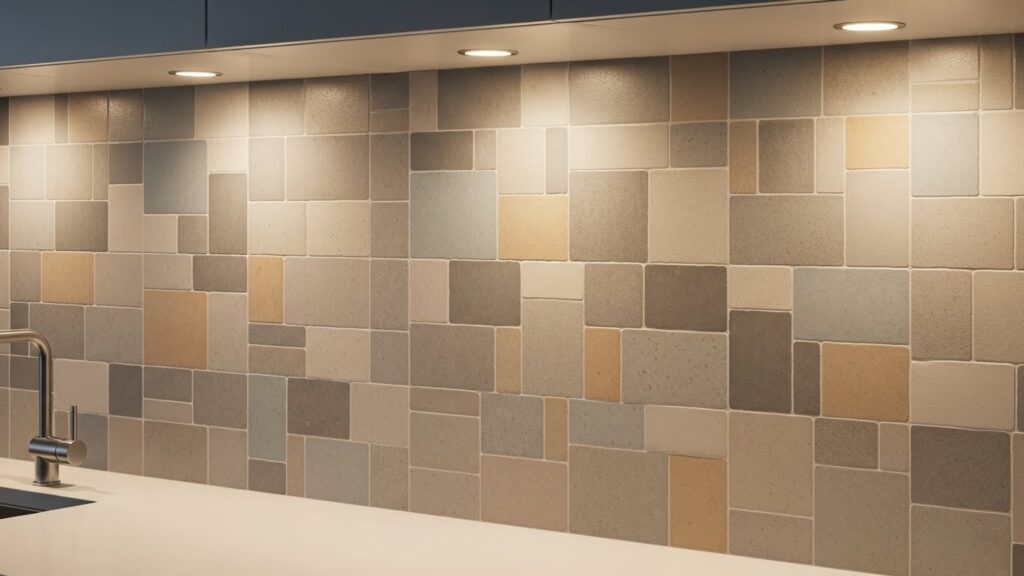

Your backsplash can be both beautiful and eco-friendly. Look for tiles made from recycled content. Other good options are natural stone or metal. These materials are durable and long-lasting. Search for leftover tiles at construction suppliers or online marketplaces. You can often find high-quality materials for a lower price, perfect for a small DIY project.
17. Energy-Monitoring Smart Plugs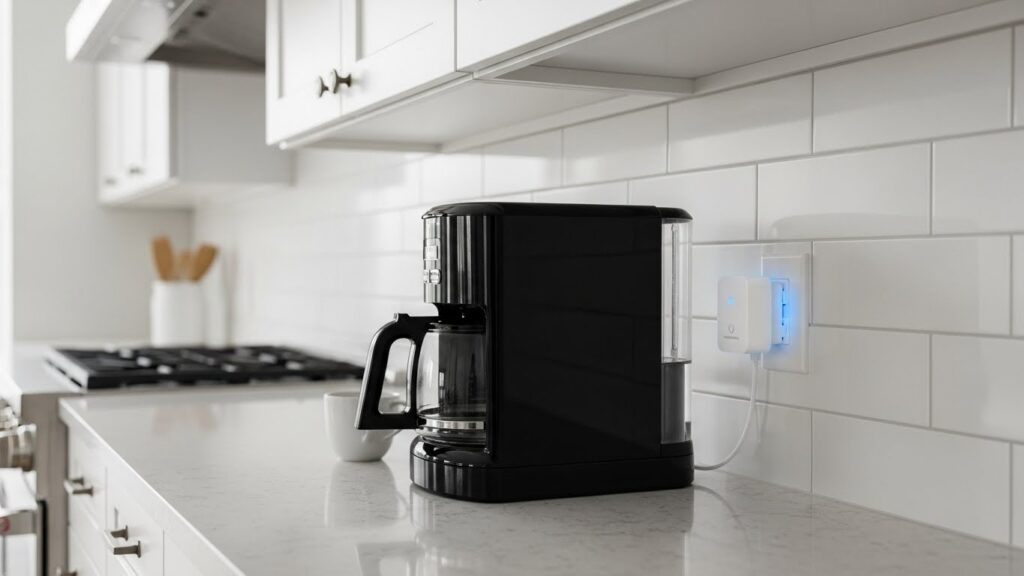

These plugs track how much energy your appliances use. You can see which devices are energy hogs. Some models let you turn appliances off remotely. This helps you avoid phantom energy drain from devices on standby. Plug your coffee maker or toaster into one. The data can show you simple ways to save on your next electricity bill.
18. Durable Quartz Countertops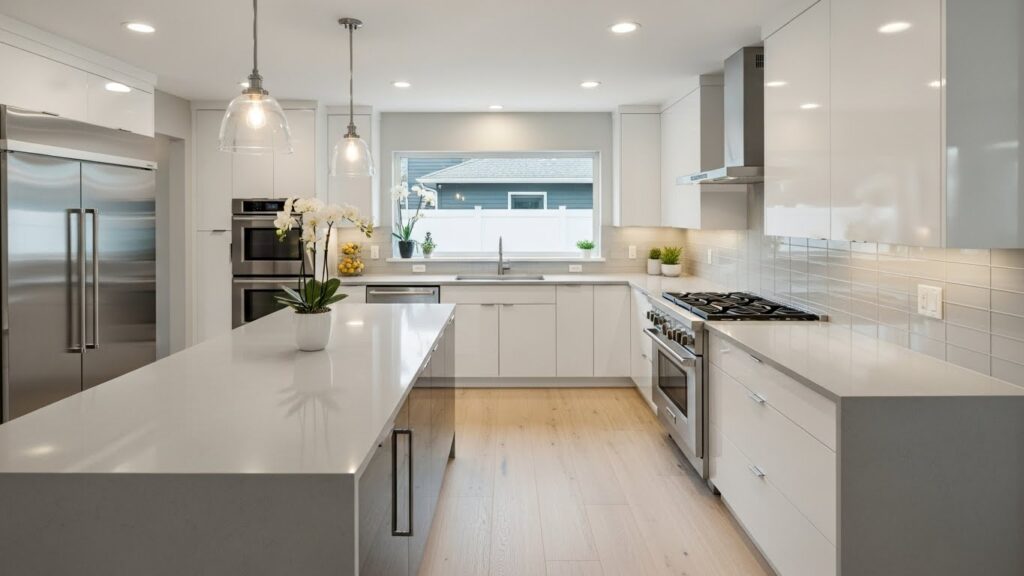

Quartz is an engineered stone that is very hard and non-porous. It does not require sealing like natural stone. It is made from natural minerals and recycled materials. This makes it a long-lasting choice. Because it is so durable, it won’t need replacing for a very long time. This makes it a sound investment for your kitchen.
19. Non-Toxic Cookware Selections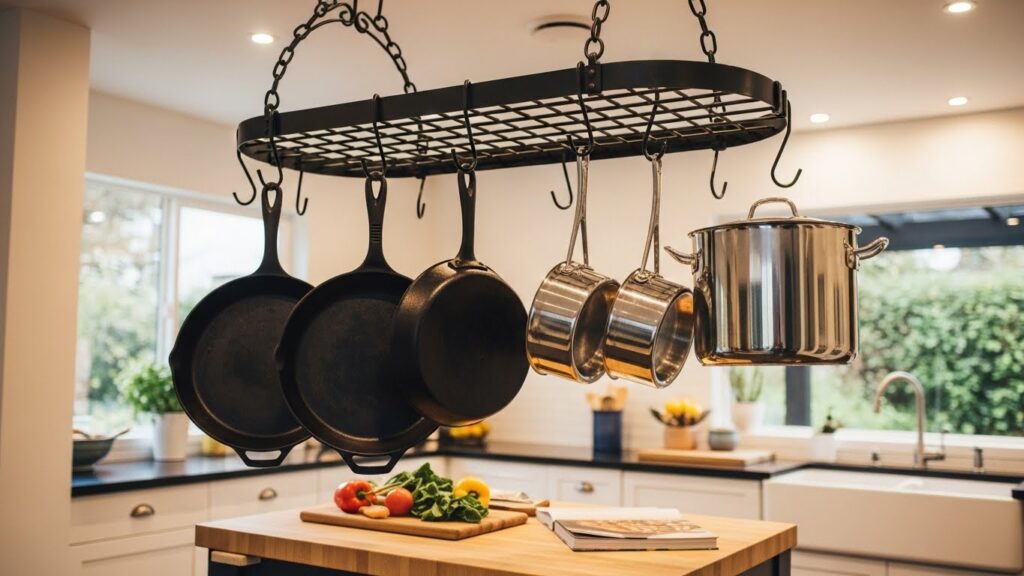

Choose cookware that is safe and long-lasting. Cast iron, stainless steel, and ceramic are good options. They do not release harmful chemicals when heated. Proper care makes these items last for generations. Season a cast iron pan properly to create a natural non-stick surface. This simple maintenance keeps it in great condition for years.
20. Cloth Over Paper Towels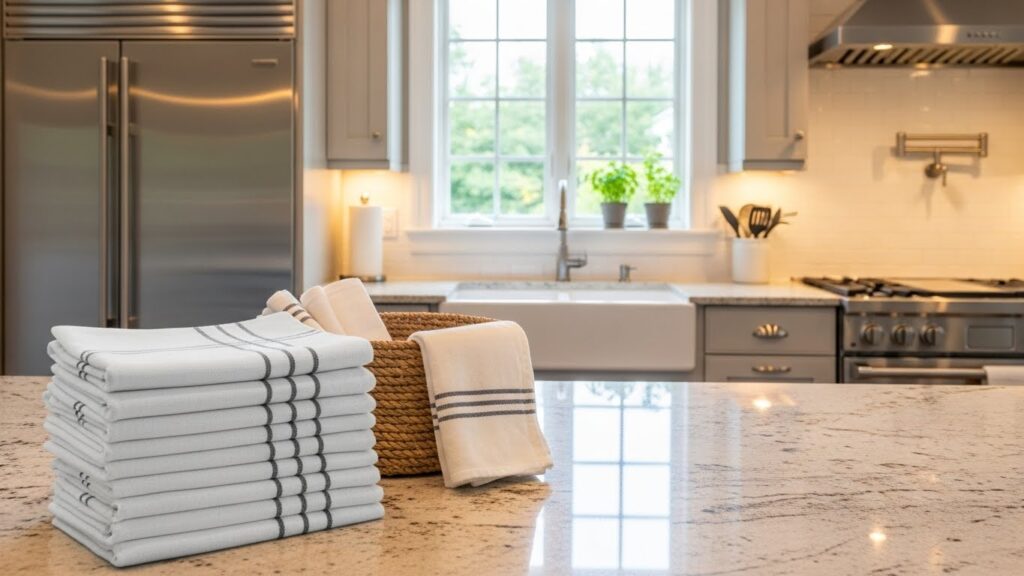

Switching to cloth towels cuts down on paper waste. They are more absorbent and can be washed and reused many times. Keep a stack in a handy drawer or basket. Use them for cleaning spills and drying hands. Cut up old t-shirts or towels to make your own rags. This is a zero-cost way to make the switch today.
21. Refillable Dispenser Systems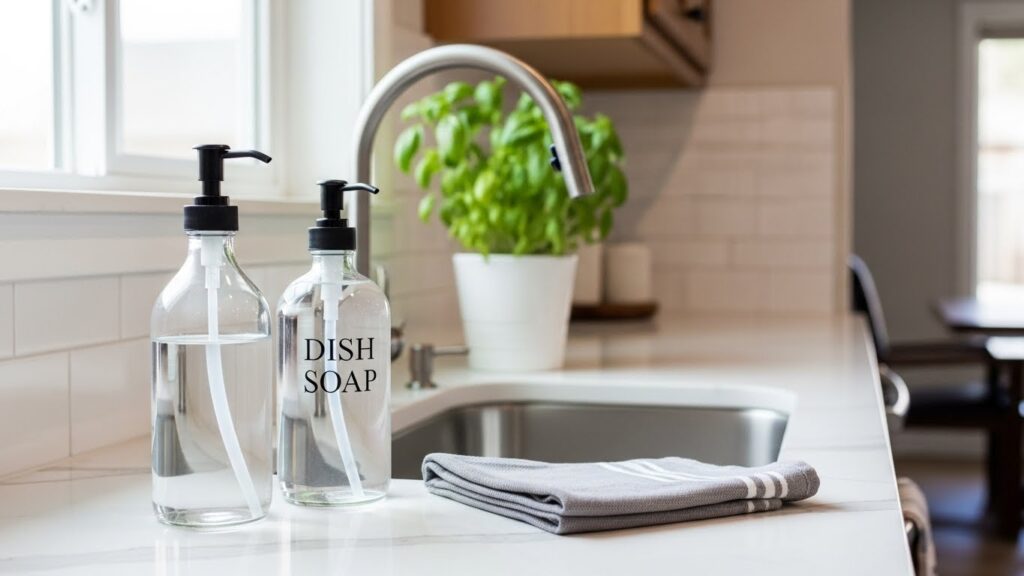

Use refillable containers for soap, detergent, and cleaning supplies. You can buy these products in large bulk sizes to reduce packaging. This system looks cleaner and creates less plastic trash. Find attractive bottles you love to keep on display. Take your bottles to a local refill store to fill them up. This habit is often cheaper and always creates less waste.
Start with one idea that feels manageable for your home. Small, consistent changes add up to a big difference over time. Your kitchen will become a more efficient and pleasant space to be.