






A backsplash border gives your kitchen or bathroom a finished look. It frames the space and adds a personal touch. Borders can be simple lines or bold patterns. They draw the eye and define the style of the room. You can use many materials, from classic tile to modern metal. This list shows options for every taste and budget. A small border makes a big visual impact.
1. The Classic Subway Tile Border
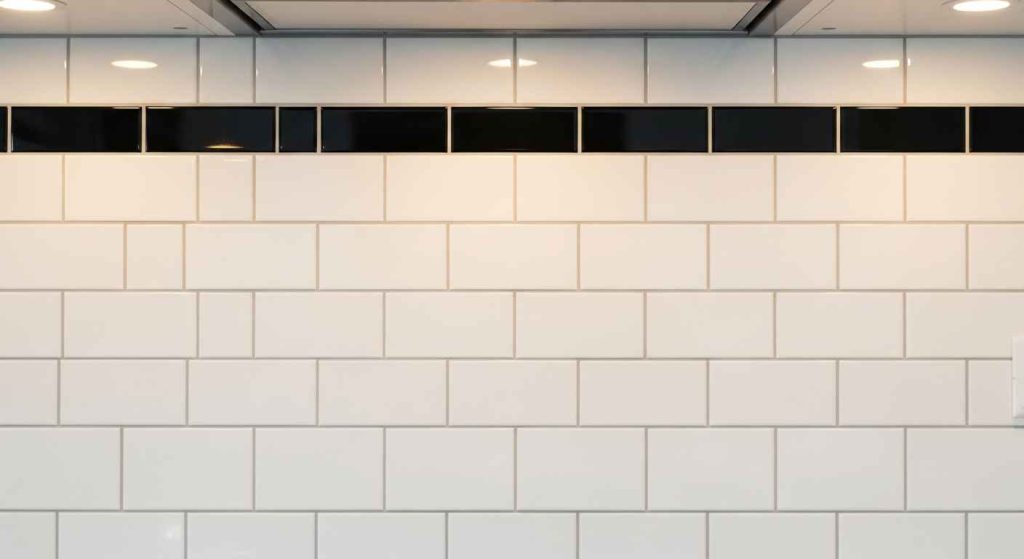

A border made from subway tiles is a safe and stylish choice. Use a contrasting color to make the line stand out. This works well in both modern and traditional homes. The straight lines are easy to install. For a budget-friendly update, use leftover tiles from your main backsplash to create the border. This saves money and creates a cohesive look. It is a simple way to add definition without overwhelming the space.
2. Mosaic Medley Borders
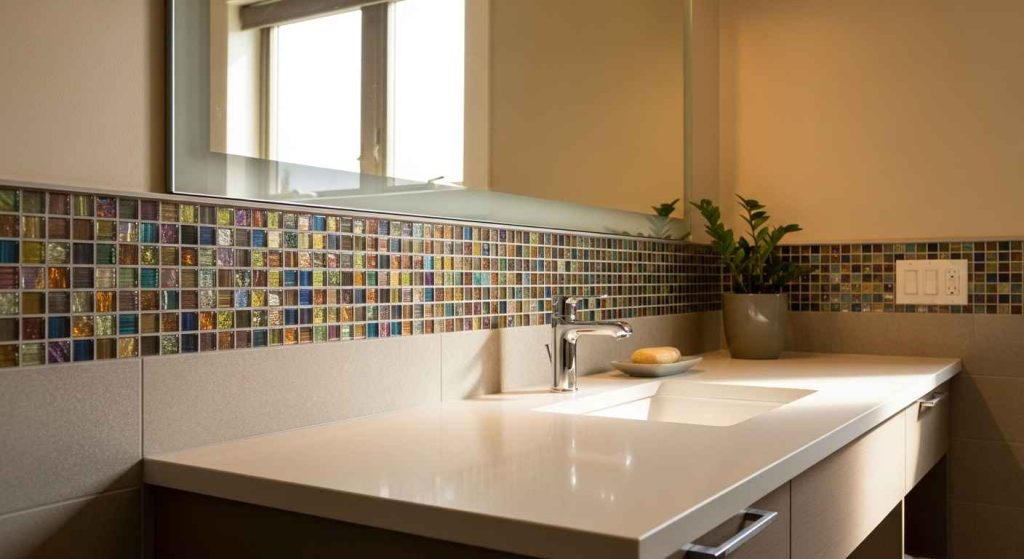

A mosaic border adds a splash of color and texture. These small tiles come in sheets for easier installation. They can feature glass, stone, or ceramic pieces. Place the border as a single stripe to highlight a specific area. A DIY tip is to use a pre-made mosaic sheet. This eliminates the need to place each tiny tile individually. It is a manageable project for a weekend. The result is a custom, handcrafted look.
3. Herringbone Patterned Edges
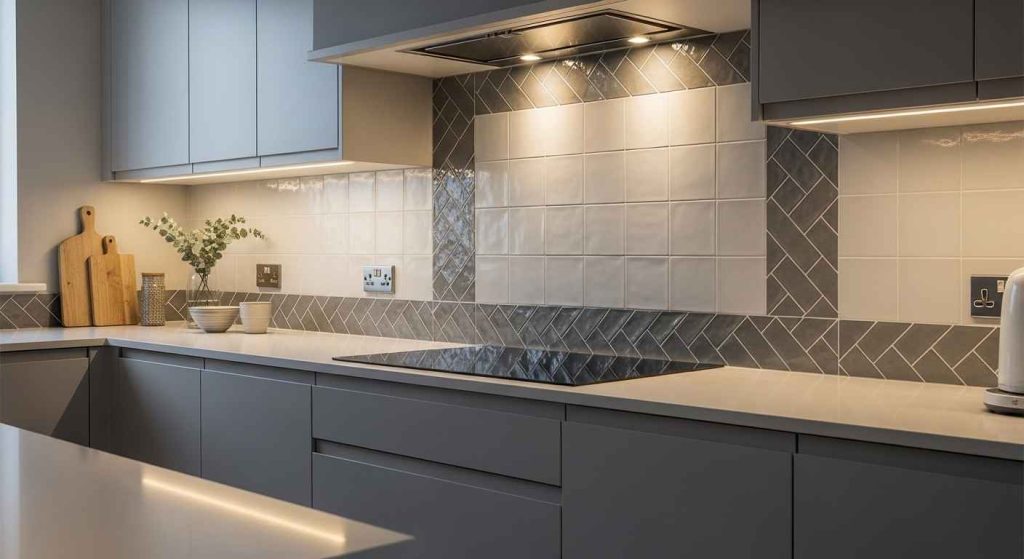

A herringbone border introduces movement and classic style. The zigzag pattern is eye-catching along the edge of a plain backsplash. It works with many tile shapes, especially rectangles. This pattern feels upscale but is achievable. To keep costs down, use a herringbone border only on the most visible section, like behind the stove. This gives you the high-end look for a fraction of the price and installation time.
4. Geometric Border Designs
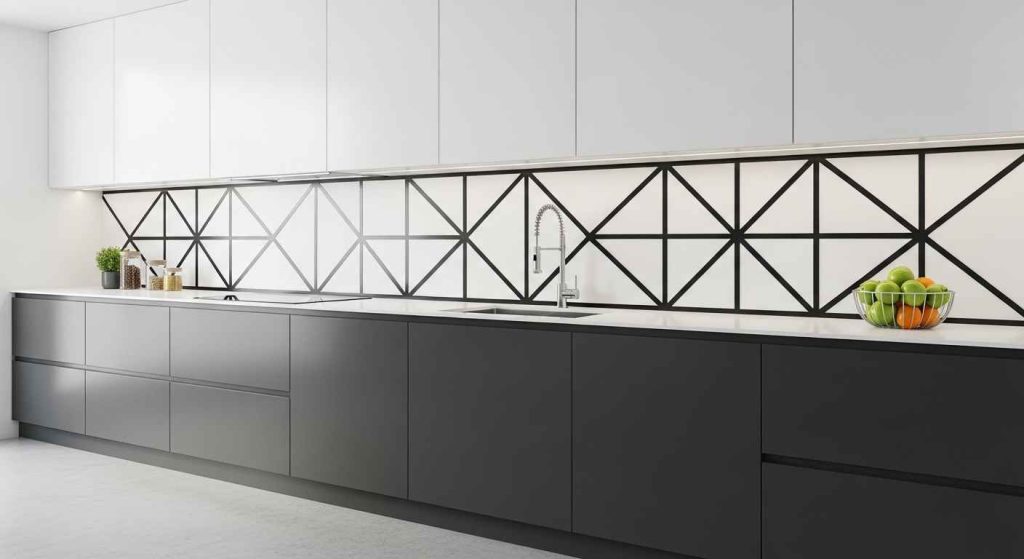

Geometric borders make a strong modern statement. Think hexagons, triangles, or other angular shapes. They create a clean, architectural feel. Using a monochrome color scheme keeps it from feeling too busy. For a budget-friendly approach, look for geometric patterned tiles sold by the sheet. This is much easier than piecing together individual shapes. You can cut the sheet to the size you need for a perfect border strip.
5. The Elegant Pencil Liner
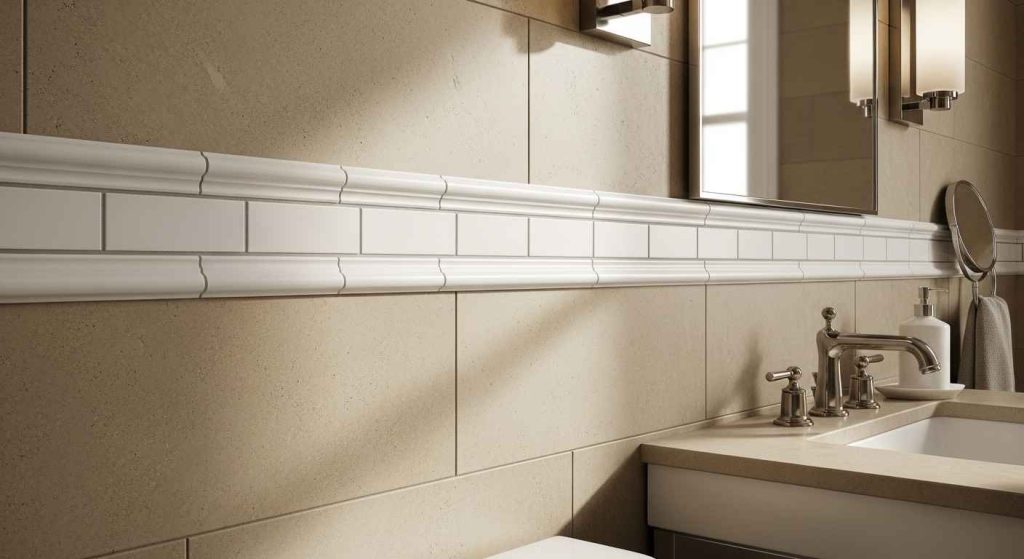

Pencil liners are narrow, rounded tiles used as trim. They provide a subtle, finished edge. You often see them separating a field tile from a countertop or cabinet. Their three-dimensional shape casts small shadows, adding depth. This is a simple DIY addition to an existing backsplash. You can glue a pencil liner right over the edge of your current tiles with a strong adhesive. It is a quick upgrade.
6. Hand-Painted Tile Borders
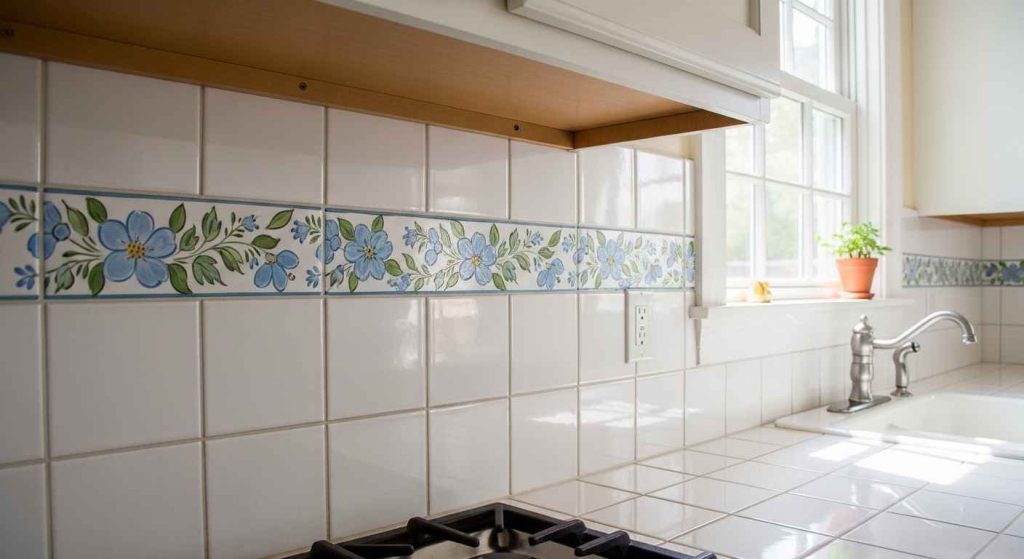

A hand-painted border adds a unique, artistic touch. Each tile is a small piece of art. This works well for cottage, farmhouse, or eclectic styles. You can choose a pattern that matches your decor. A great DIY project is to buy plain tiles and paint them yourself with ceramic paint. You do not need to be a professional artist. Simple patterns like dots or lines can look very effective.
7. Metallic Accent Strips
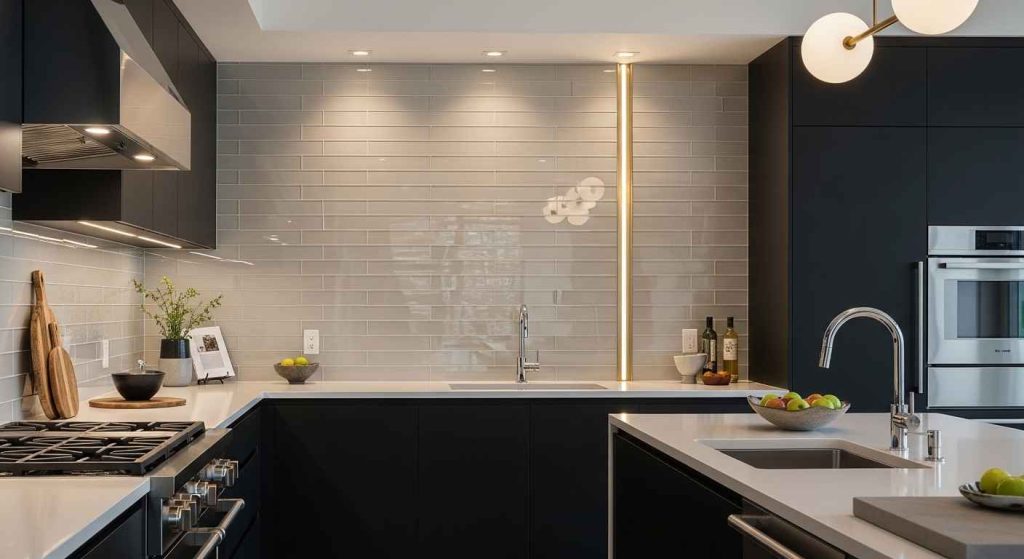

Metallic strips bring a touch of shine and modernity. Brass, copper, and stainless steel are popular choices. They act as a sleek divider between different materials. The metal reflects light, making the space feel brighter. You can find adhesive-backed metal trim that is easy to apply yourself. Just measure, cut, and stick it on. This is an affordable way to get a custom, high-end look without a major renovation.
8. A Border of Natural Stone
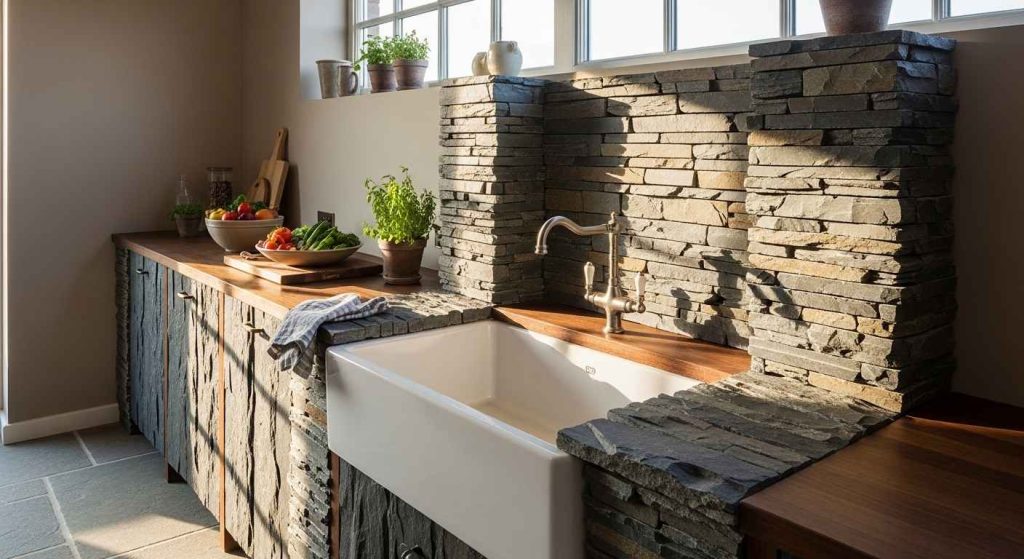

A natural stone border adds raw texture and depth. Slate, travertine, or marble ledger stone creates a rustic frame. The uneven edges and varied colors make it interesting. It pairs well with both modern and rustic cabinets. Use remnants from a countertop project for a cost-effective border. Stone yards often sell leftover pieces at a discount. This gives you a unique material that is also kind to your budget.
9. Glass Tile Glimmer
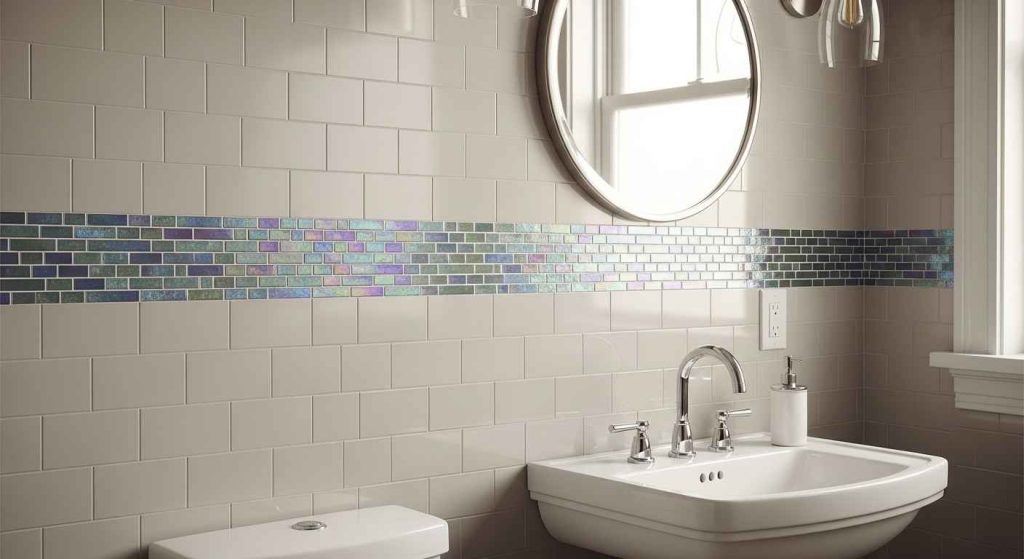

A glass tile border introduces light and reflection. The translucent quality makes colors feel deeper and more vibrant. It is especially good for smaller spaces or rooms with less natural light. Look for glass tile sheets on sale at home improvement stores. Because you only need a small amount for a border, you can often afford a more premium material. The sparkle it adds is well worth it.
10. Contrasting Color Borders
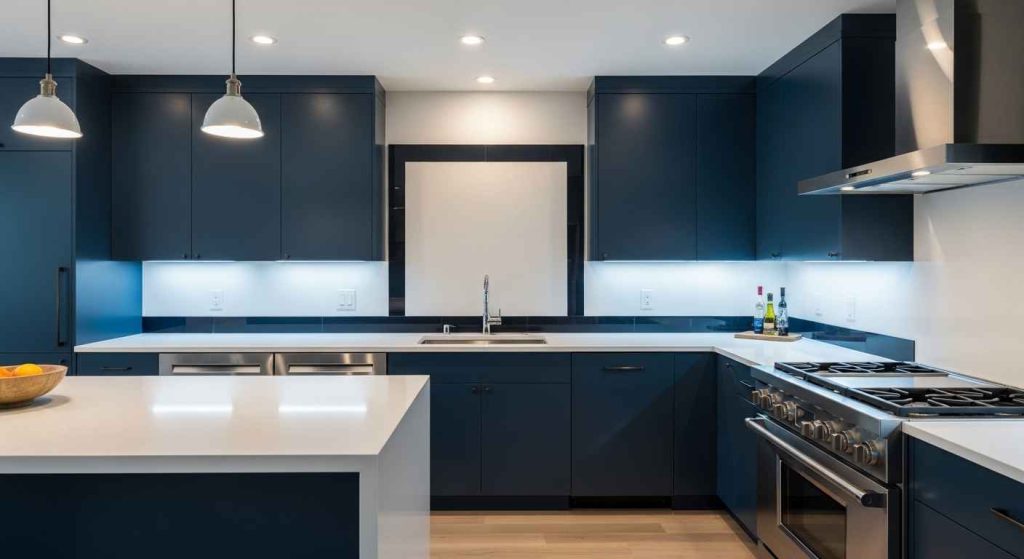

Using a bold, contrasting color is the simplest way to define a border. A dark border on a light backsplash, or vice versa, creates immediate visual interest. This technique does not require special tiles, just a different color. Paint a border directly onto a solid surface backsplash for the most budget-friendly option. Use painter’s tape to mark clean lines and choose a durable, washable paint.
11. The Rustic Wooden Frame
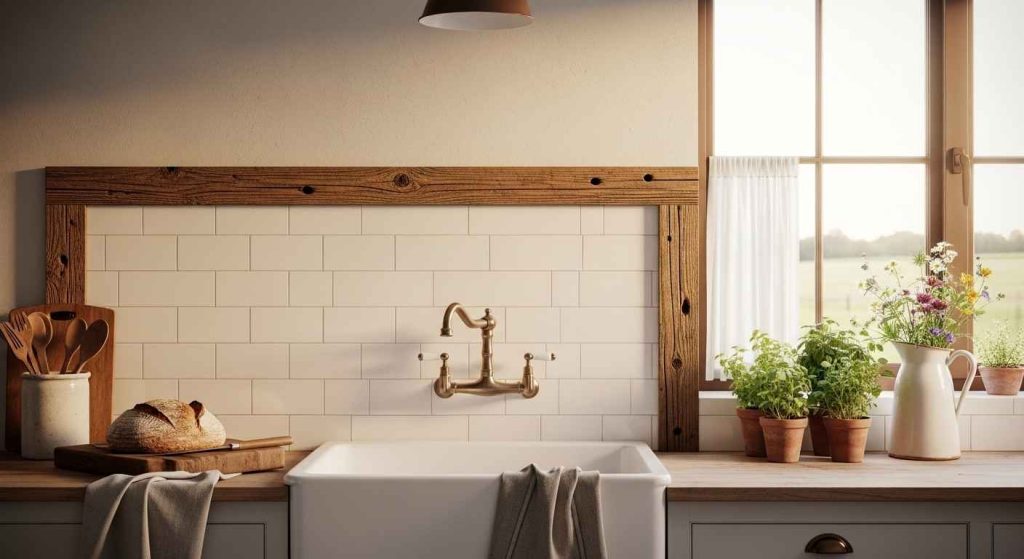

A wood border brings warmth and a rustic feel. Reclaimed wood or a simple stained pine frame can make a kitchen feel cozy. It works beautifully with subway tile or stone. Seal the wood properly to protect it from moisture. An easy DIY is to use wood trim from a hardware store. You can cut it to size, stain or paint it, and attach it to the wall around your backsplash.
12. Moroccan-Inspired Borders
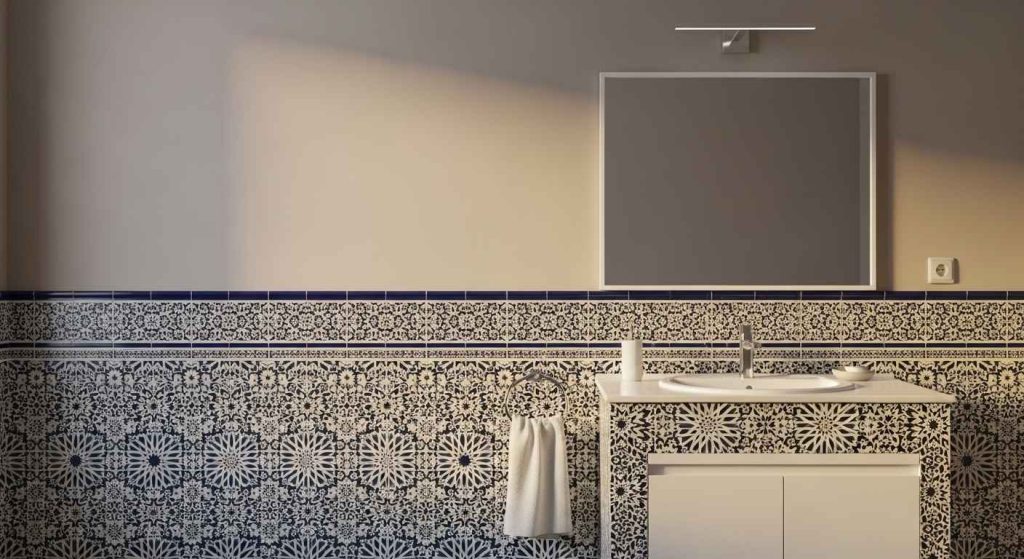

Moroccan tiles are known for their intricate, repeating patterns. Using them as a border adds global flair and visual complexity. The patterns are often very colorful. To avoid a busy look, use a Moroccan border with a very simple, solid-colored field tile. This lets the border be the star. You can often find these as pre-made deco strips, which makes installation much simpler.
13. A Border of Brick
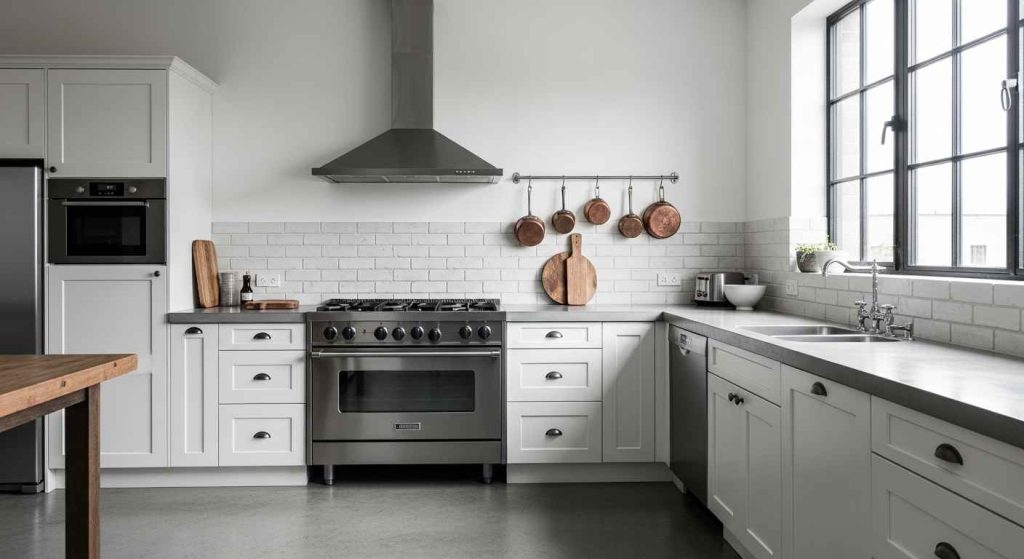

A brick border adds an urban, industrial touch. You can use real brick veneers or thin brick tiles. Whitewashing or painting the brick keeps it light and modern. The texture is a great contrast to smooth cabinets and countertops. Brick veneer panels are a lightweight and DIY-friendly option. They are easier to cut and install than full bricks. This gives you the authentic look without the heavy construction.
14. Sleek Metal Schluter Strips
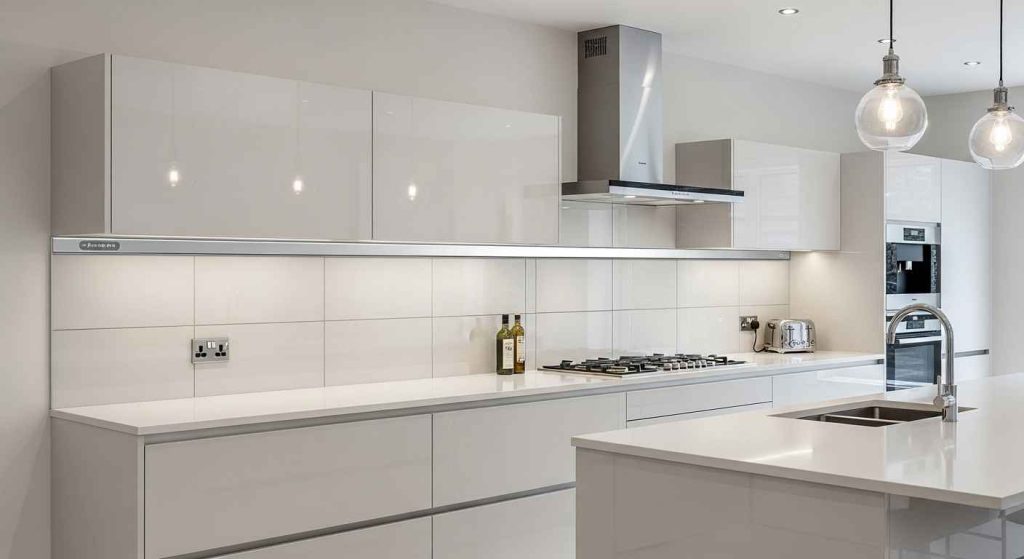

Schluter strips are metal profiles that give tile edges a clean, finished look. They protect the tile edges from chipping. Available in many finishes like chrome, brass, and black, they suit any style. Installation is straightforward and is often a DIY job. The strip is placed before the tile, and the tiles are set against it. It creates a very professional-looking result with minimal effort.
15. The Timeless Bullnose Edge
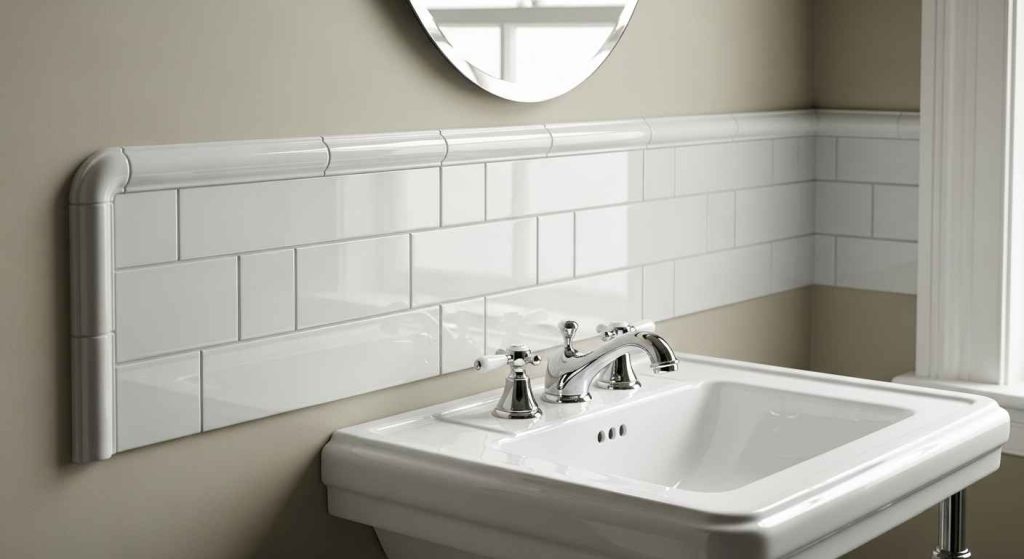

Bullnose tiles have one rounded, finished edge. Using them on the perimeter of your backsplash creates a soft, built-in border. This is a very traditional and safe approach. There is no additional trim piece needed. Most standard tile lines offer a bullnose option, making it easy to match your field tile. This is a practical choice for homes with children, as there are no sharp edges.
16. 3D Textured Borders
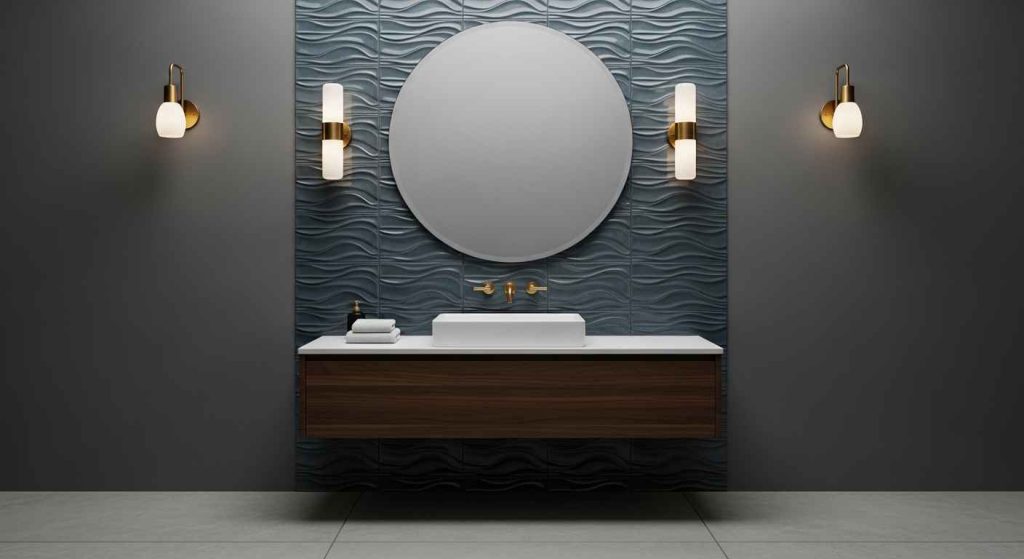

3D tiles add physical depth and shadow play. A border of these tiles can make a flat wall feel dynamic. They come in wave, cube, and other sculptural patterns. Use a 3D border as a single accent strip to keep the cost and visual weight manageable. Because the tiles are textural, you can often use a simple, inexpensive color and still get a dramatic effect.
17. A Listello Border Focal Point
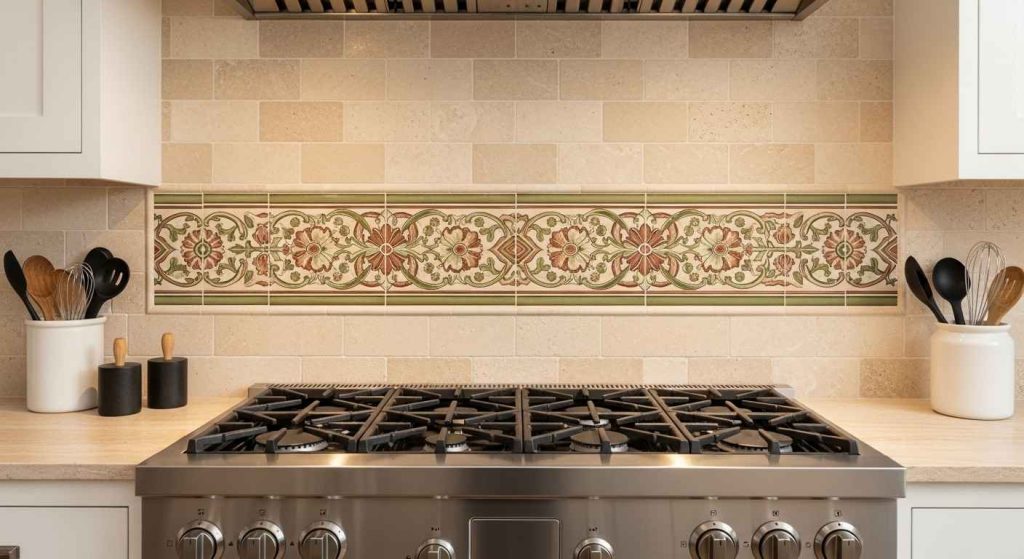

A listello is a pre-made decorative border tile. It often features a repeating pattern or design. Placing it as a single horizontal line creates an instant focal point. It is an easy way to incorporate a complex pattern. Listellos are sold by the linear foot, so you only buy what you need. This makes them a relatively affordable way to add a custom, decorative element without a custom price tag.
18. The Modern Minimalist Line
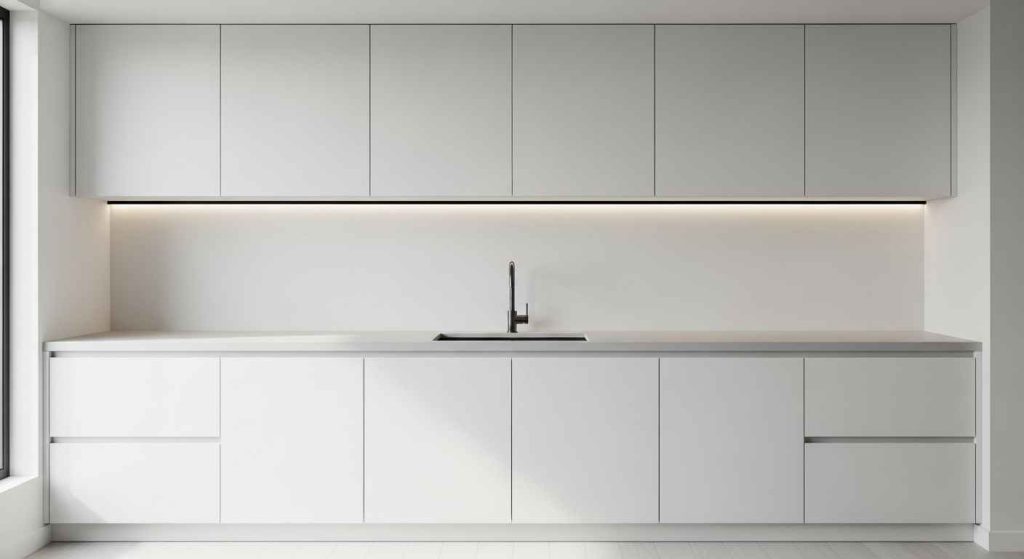

Sometimes the best border is almost nothing. A single, thin line in a contrasting color defines the space without any fuss. This could be a thin tile, a painted line, or a metal strip. It is pure and modern. For a super cheap update, use a roll of vinyl edge trim. It comes in many colors and has an adhesive back. You can apply it in minutes for a clean, graphic line.
19. Border with a Niche
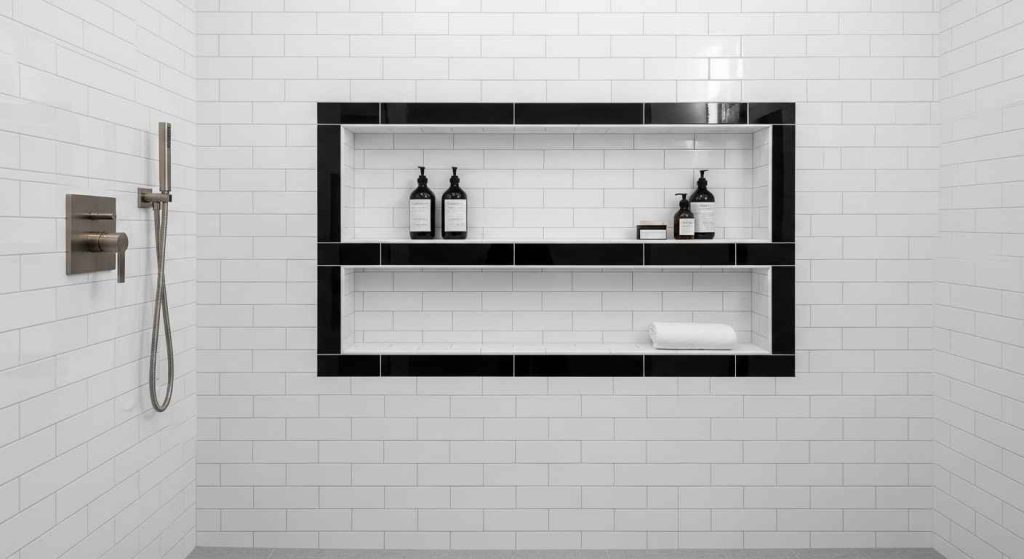

A border can define and highlight a built-in niche. Framing the niche with a different tile color or material makes it a purposeful design element. It turns functional shelving into a decorative asset. When tiling a niche, plan the border from the start. This ensures clean lines and a professional finish. It is a small detail that makes the entire backsplash look more intentional and custom-built.
20. Terracotta Band Borders
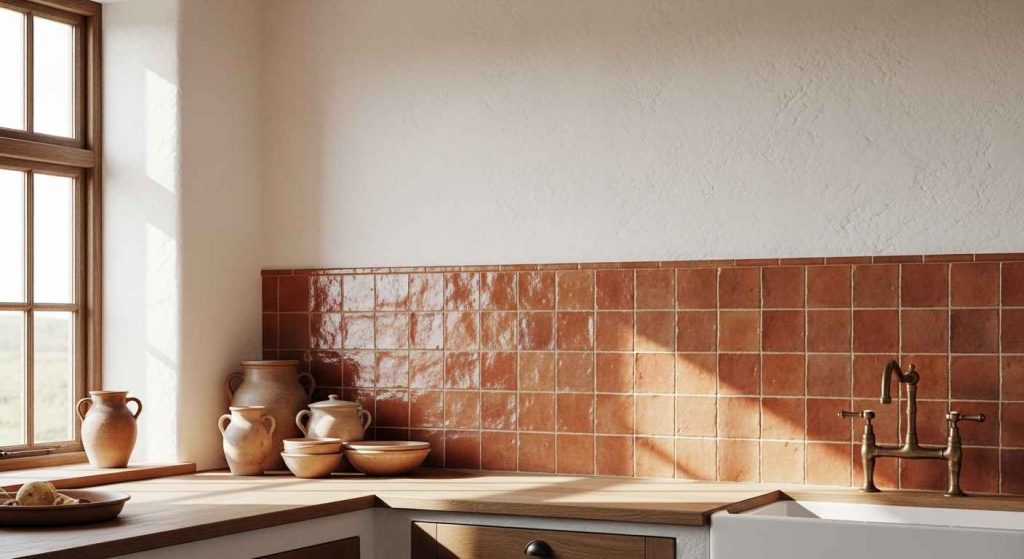

Terracotta brings a warm, Mediterranean feel. Its rich orange-red color is naturally inviting. A border of terracotta tiles adds a splash of earthy color. It works well with other natural materials like wood and stone. Unglazed terracotta tiles are very affordable. You can seal them to make them resistant to water and stains. This is a great way to add character and warmth on a small budget.
21. Mixing and Matching Borders
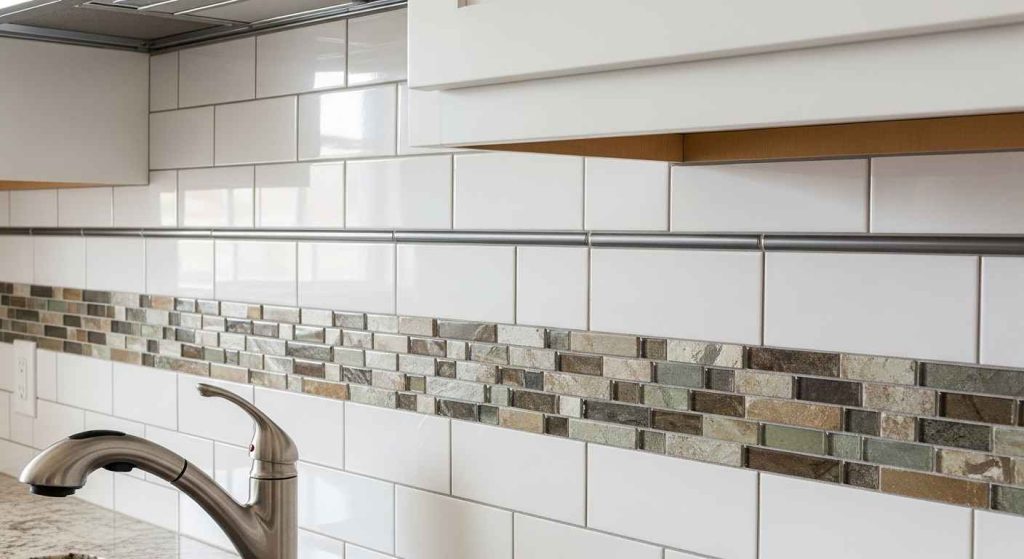

Do not feel limited to one type of border. Layering different trims can create a rich, custom detail. For example, use a pencil liner next to a listello. This adds depth and complexity. Experiment with combinations using sample tiles before you commit. Place different trim pieces next to each other on a table. This helps you visualize the final look and avoids costly mistakes.
22. A Border of Beveled Subway
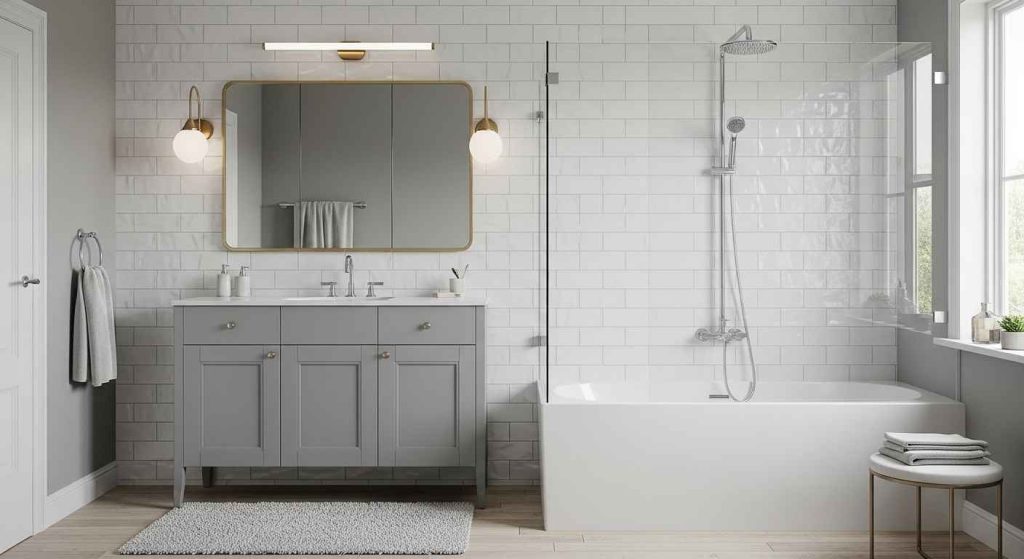

Beveled subway tiles have edges cut at an angle. This creates a subtle, reflective line on each tile. Using them for a border adds a touch of refinement and light play. Beveled tiles are a standard product, so they are not usually more expensive than flat tiles. You can use them to create a border that is part of the main backsplash, not an addition to it.
23. The Industrial Metal Liner
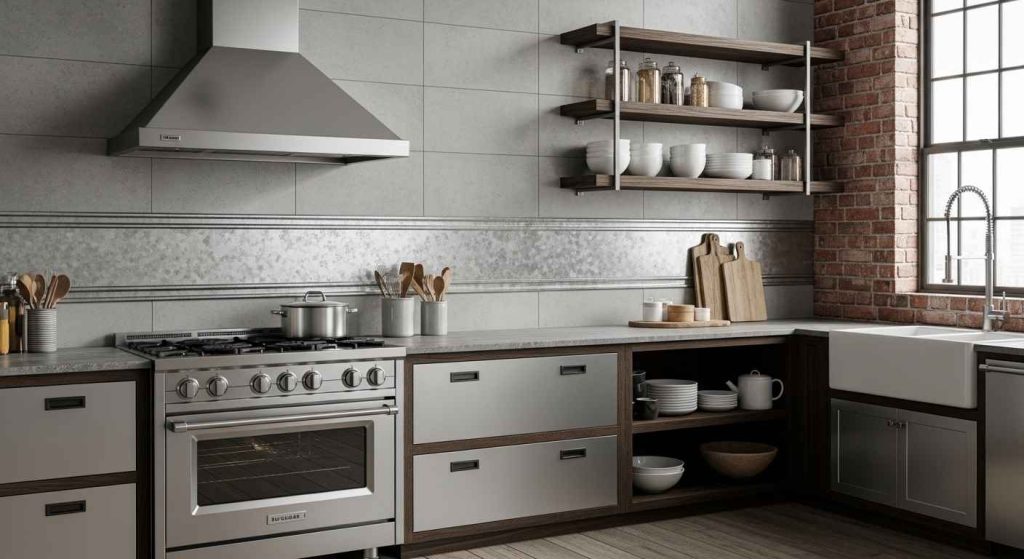

For a true industrial look, use raw metal as a border. Galvanized steel, zinc, or unfinished aluminum are perfect. This trim feels utilitarian and tough. It pairs well with concrete, brick, and wood. Check metal supply shops for off-cuts. You can often find small pieces of sheet metal perfect for a border at a low cost. Cut it to size with tin snips.
24. Black and White Border Drama
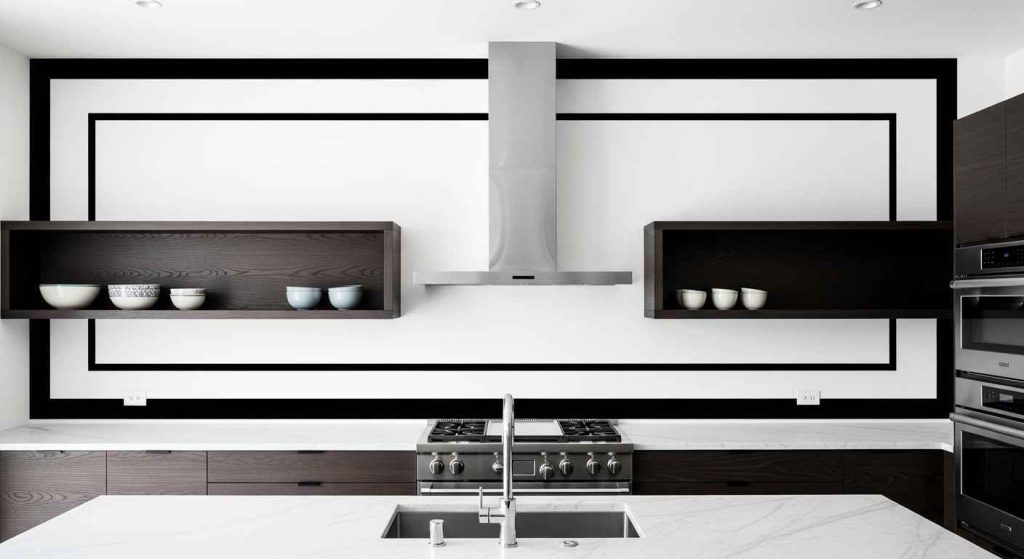

Black and white is a timeless, high-contrast combination. A black border on a white backsplash is bold and graphic. It works in almost any style, from retro to contemporary. Use black grout with white tiles for a related, low-cost effect. The dark grout lines will create a grid-like border within the field of tile itself. It is a very effective and inexpensive design trick.
25. A Border of Fishscale Tiles
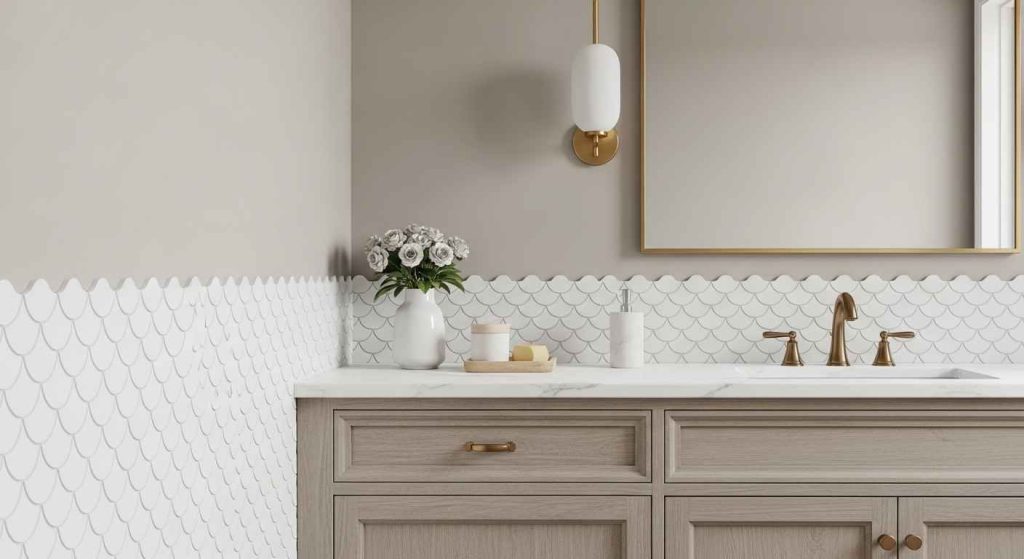

Fishscale tiles have a beautiful, organic pattern. Their curved shapes soften the hard lines of a kitchen or bathroom. A border of these tiles adds a touch of vintage charm. Use fishscale tiles in a single color to keep the look modern and avoid it feeling too busy. Installing them as a horizontal band is easier than covering a whole wall, making it a manageable project.
26. The Art Deco Border Statement
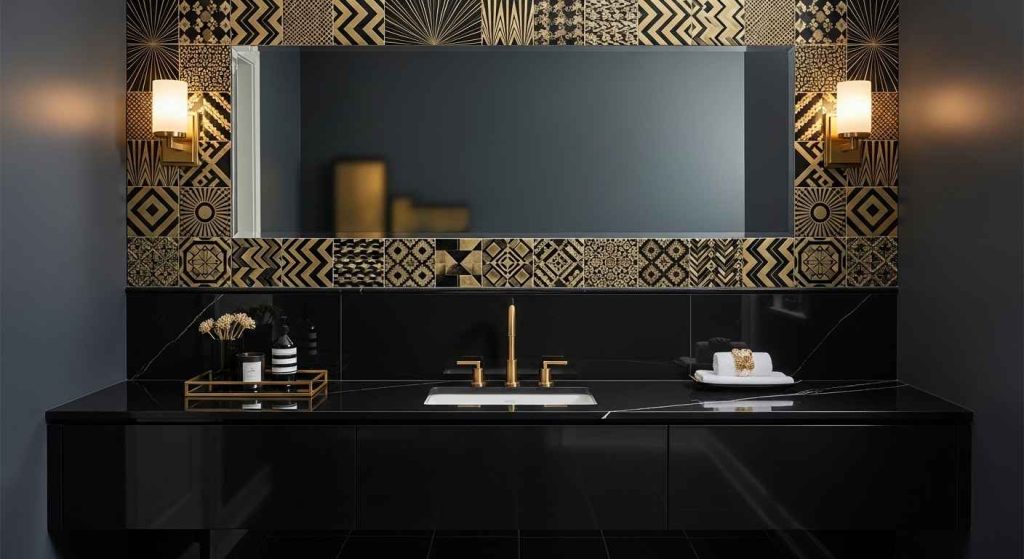

Art Deco borders are all about bold geometry and luxury materials. Think stepped patterns, sunbursts, and rich colors like black, gold, and deep green. This style makes a dramatic, glamorous statement. Find Art Deco style tiles as individual deco pieces. You can space them out along a border instead of using a continuous pattern. This reduces the amount of expensive tile you need to buy.
Choose one border idea that fits your style. Start with a small section to see how you like it. A simple pencil liner or a painted line can change the whole room. You do not need to redo the entire backsplash. Small changes have a big effect.