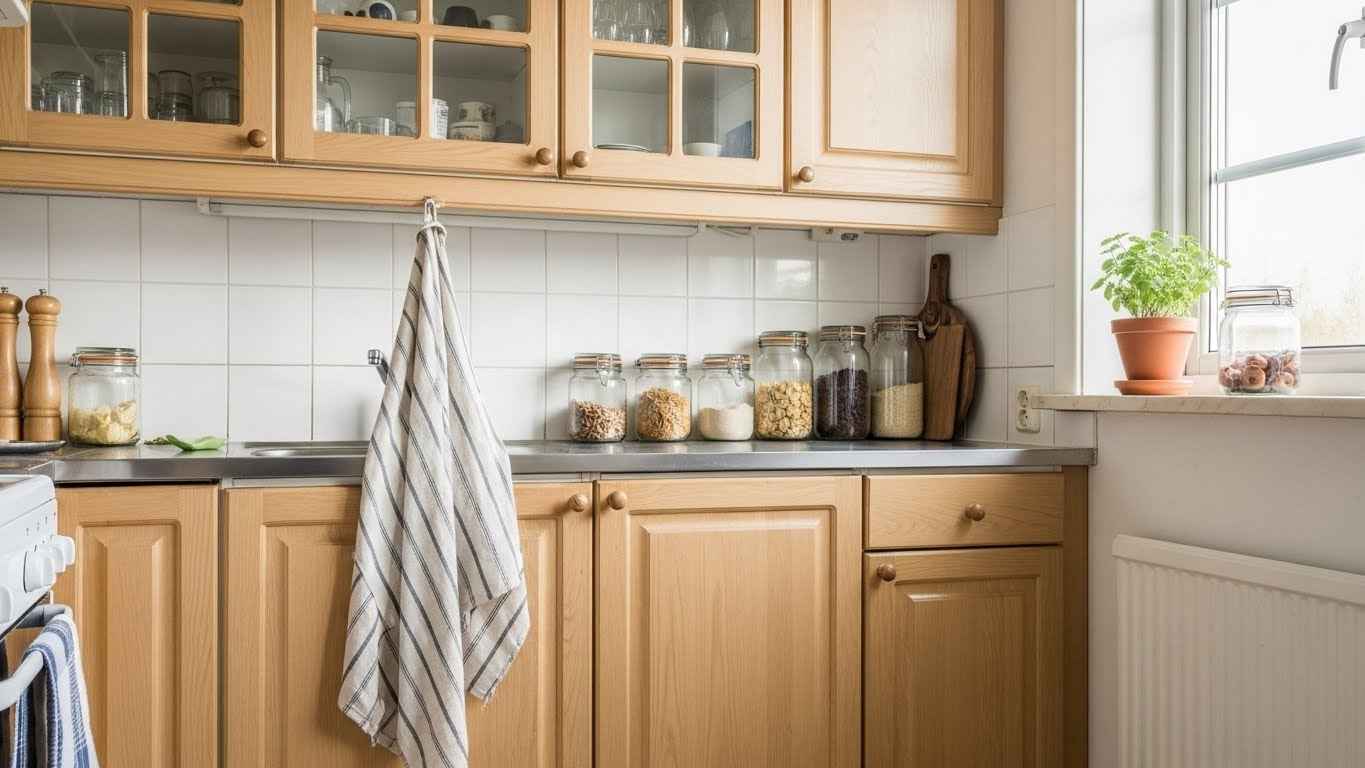
Making your small kitchen eco-friendly is simple. Small changes add up to big results. You can save money and reduce waste with a few smart swaps. This list offers easy ideas to get started. Every step helps your home and the planet.
1. Embrace the Power of Reusables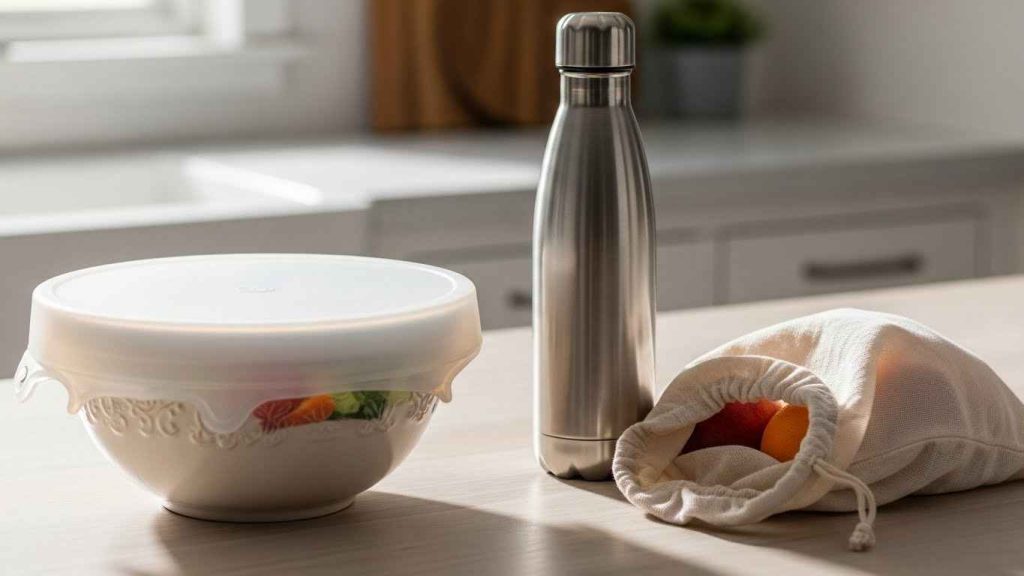
Cut down on single-use plastic for good. Start with simple swaps. Use cloth bags for shopping. Choose glass or stainless-steel containers for leftovers. A simple DIY tip is to make your own reusable bowl covers from old fabric and elastic. This move saves money over time. It also keeps countless plastic bags and wraps out of landfills. Your kitchen will feel cleaner and more organized.
2. Install a Low-Flow Faucet Aerator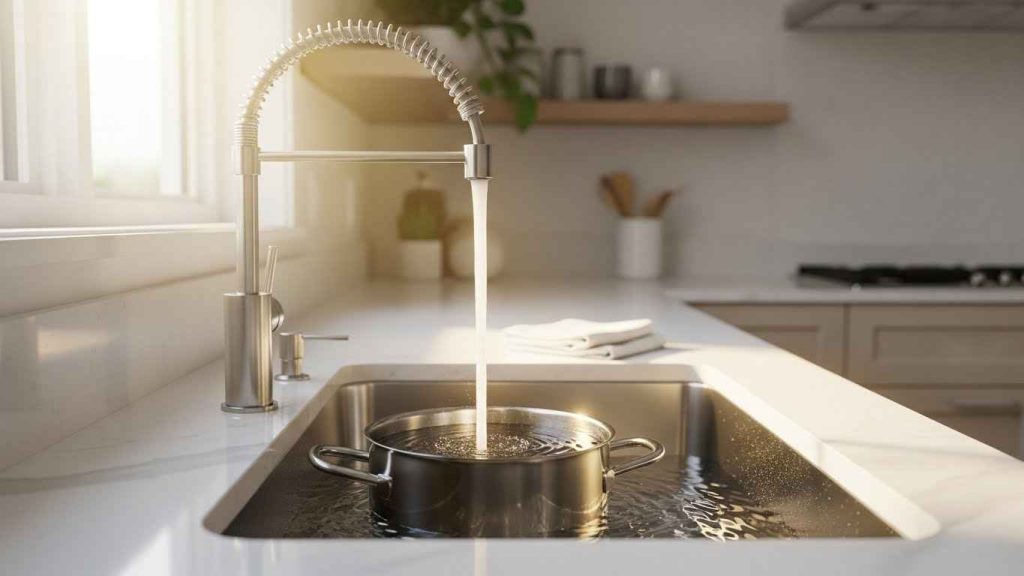
This small device mixes air with water. It reduces water use without losing pressure. You will notice the difference on your water bill. Installation is a budget-friendly project you can do yourself. It usually requires just a pair of pliers. This is an easy win for conserving a vital resource. It is one of the fastest ways to make your kitchen more water-wise.
3. Cultivate a Mini Herb Garden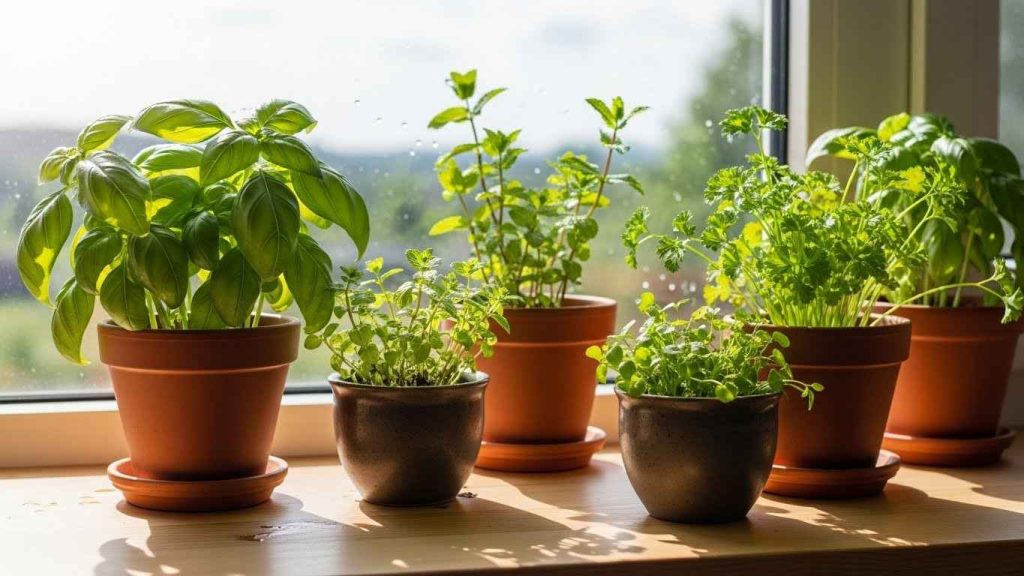
Grow your own herbs in small pots. You only need a sunny spot. This gives you fresh flavors right at your fingertips. A simple DIY project is to start seeds in cleaned yogurt cups. You will always have what you need for cooking. This cuts down on plastic packaging from store-bought herbs. It also brings a lovely, living element into your tiny kitchen.
4. Opt for Solid Dish Soap & Cleaners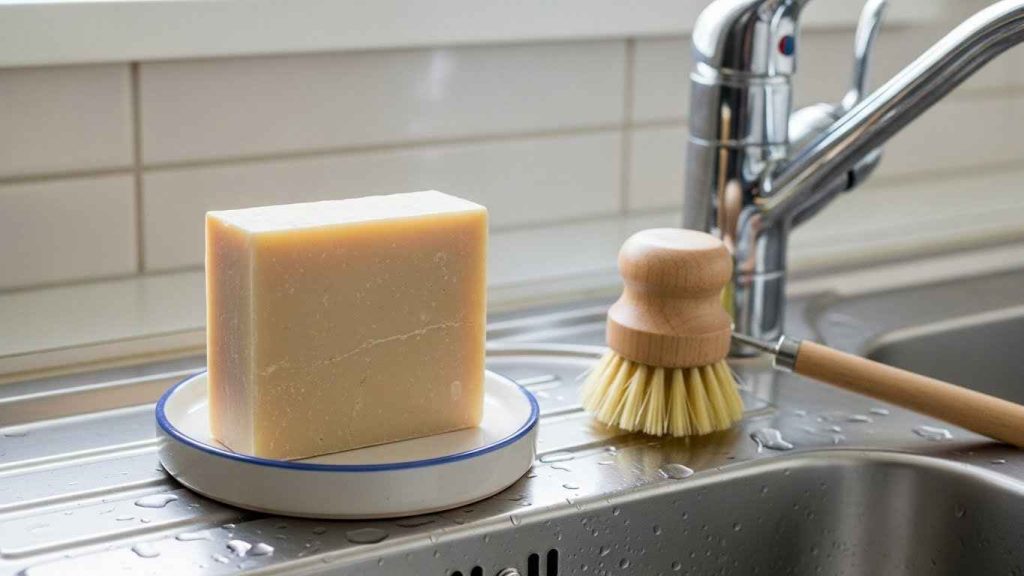
Solid bars last longer than liquid soap. They often come in paper packaging, which is better than plastic bottles. These bars are powerful against grease and grime. For a budget-friendly clean, you can use a simple vinegar and water solution for many surfaces. This switch reduces plastic waste significantly. Your cleaning cupboard will also have more space.
5. Compost with a Countertop Bin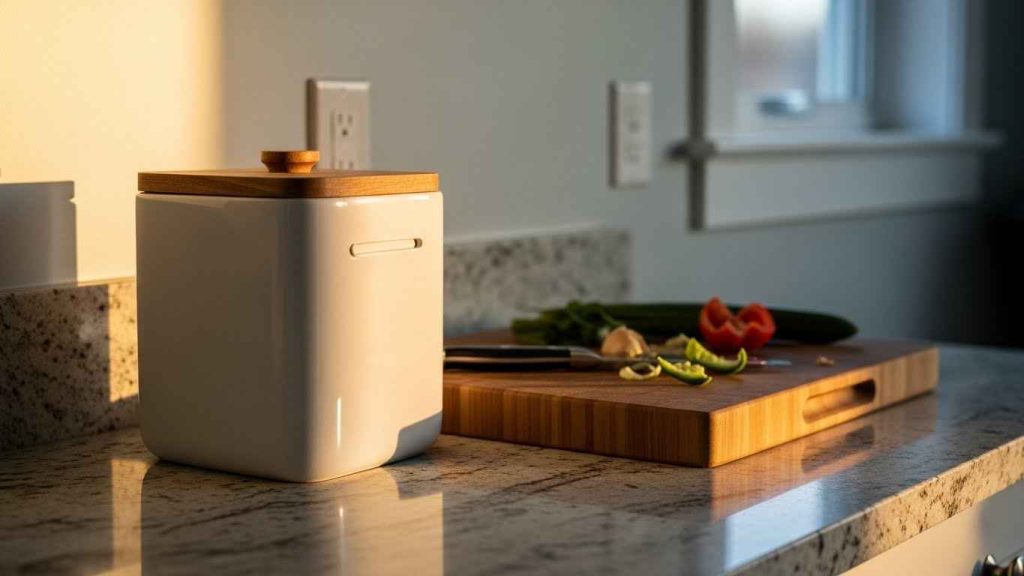
Keep food scraps out of the trash. A small bin on your counter makes it easy. You can compost fruit peels, vegetable ends, and coffee grounds. A DIY tip is to use a large glass jar with a lid if you do not have a bin. This turns waste into nutrient-rich soil for plants. It greatly reduces the amount of garbage your household produces.
6. Choose Energy-Efficient Appliances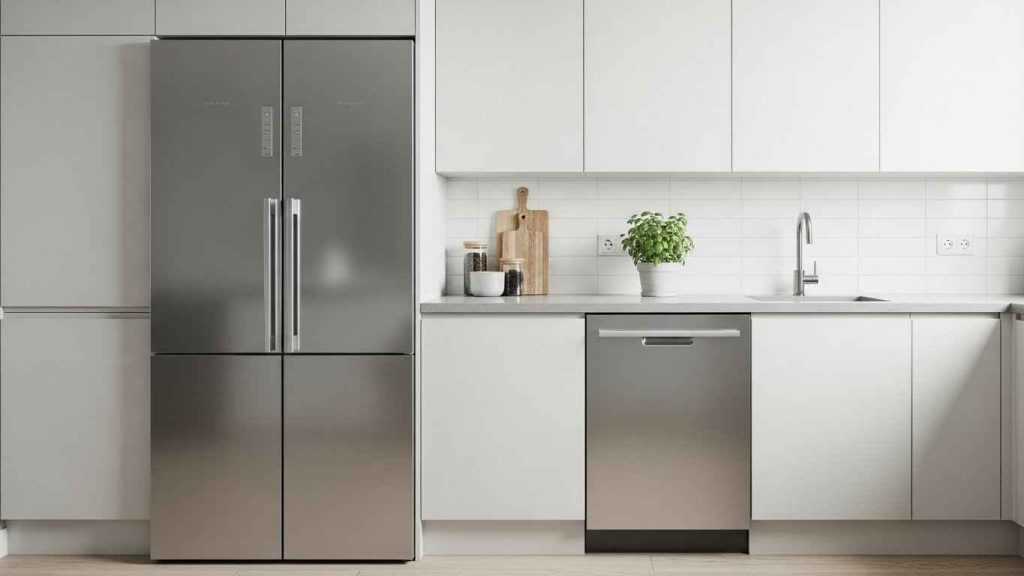
When it is time to replace an appliance, look for the Energy Star label. These models use less electricity and water. They perform just as well as standard models. This is a long-term savings plan for your utility bills. Even in a small kitchen, efficient appliances make a big difference. They help lower your home’s overall energy use.
7. Repurpose Glass Jars for Storage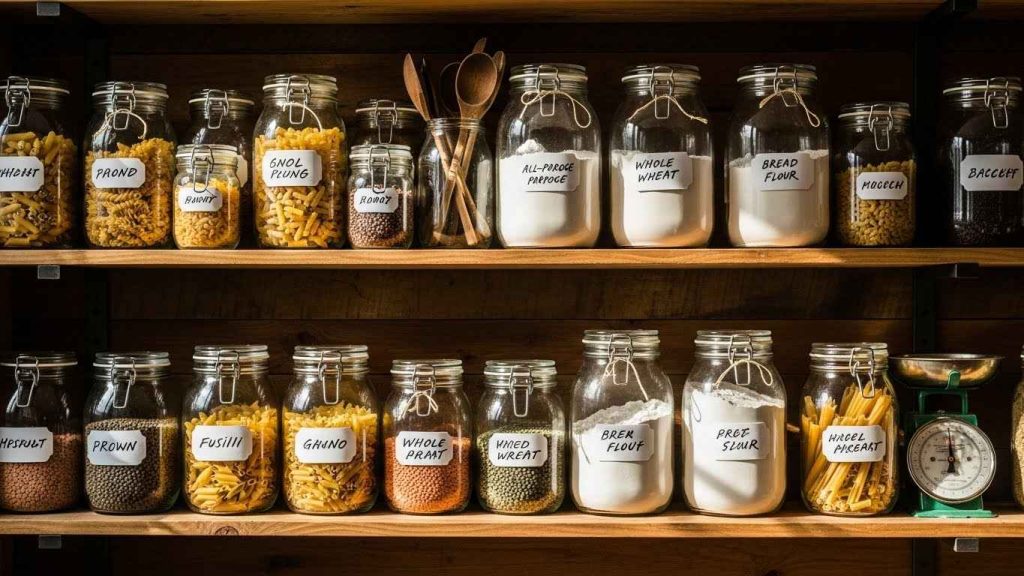
Do not throw out glass jars from pickles or sauces. Wash them well and remove the labels. They are perfect for storing dry goods, spices, and homemade dressings. This is a zero-cost organization method. It helps you see what you have, which prevents food from getting lost in the back of a cupboard. Your pantry will look uniform and tidy.
8. Cook with a Toaster Oven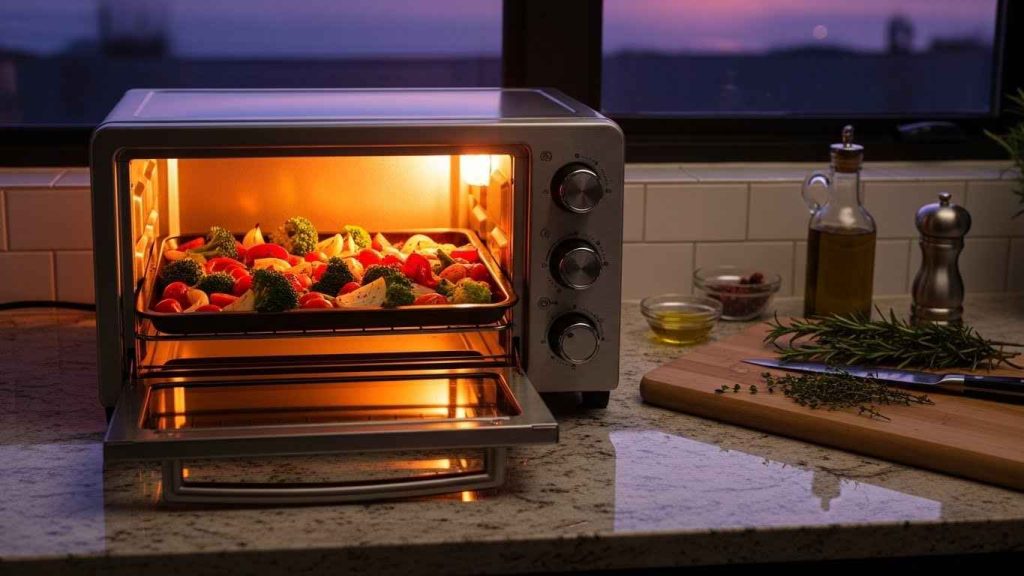
A toaster oven uses less energy than a full-sized oven. It heats up quickly and is ideal for small meals. Use it for roasting vegetables, baking a single potato, or melting cheese on toast. This is a smart way to save on energy costs. It also does not heat up your kitchen as much in the summer. For small households, it can often replace the big oven.
9. Ditch Paper Towels for Cloth
Switch to cloth towels and napkins. You can cut up old t-shirts or towels to make your own rags. This is a very budget-friendly switch. Keep a small basket under the sink for used cloths. Wash them with your regular laundry. This simple change eliminates a lot of paper waste. Your kitchen will feel more cozy and less disposable.
10. Maximize Natural Light
Keep your windows clean and your curtains open during the day. Use light colors for walls and curtains to help reflect light. This reduces the need for electric lights. A simple tip is to place a mirror on a wall opposite a window to bounce light around the room. It makes your small space feel larger and brighter. You will use less electricity and enjoy a sunnier kitchen.
11. Use a Dish Drying Rack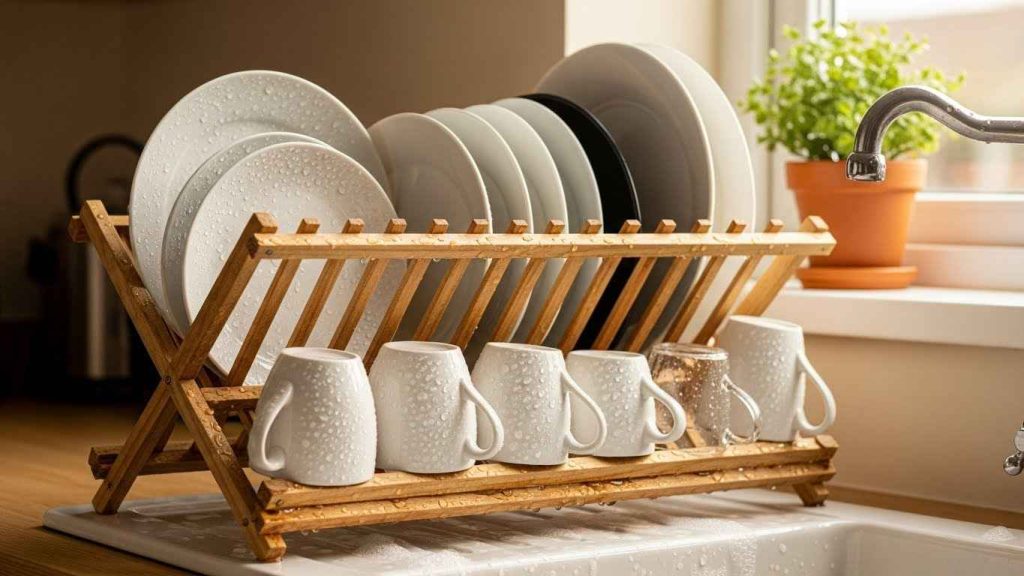
Letting dishes air-dry saves energy. It is better than using the heat-dry cycle on your dishwasher. A simple rack over the sink saves counter space. Choose one made from sustainable materials like bamboo. This is an easy habit that cuts down on your power use. Your dishes will dry naturally without any extra cost.
12. Shop Local & Bulk to Reduce Packaging
Buying from local farmers and bulk bins cuts down on packaging waste. Bring your own containers and bags from home. This often saves money because you are not paying for fancy packaging. You can buy exactly the amount you need. This reduces food waste and plastic use. It also supports your local community.
13. Install LED Under-Cabinet Lighting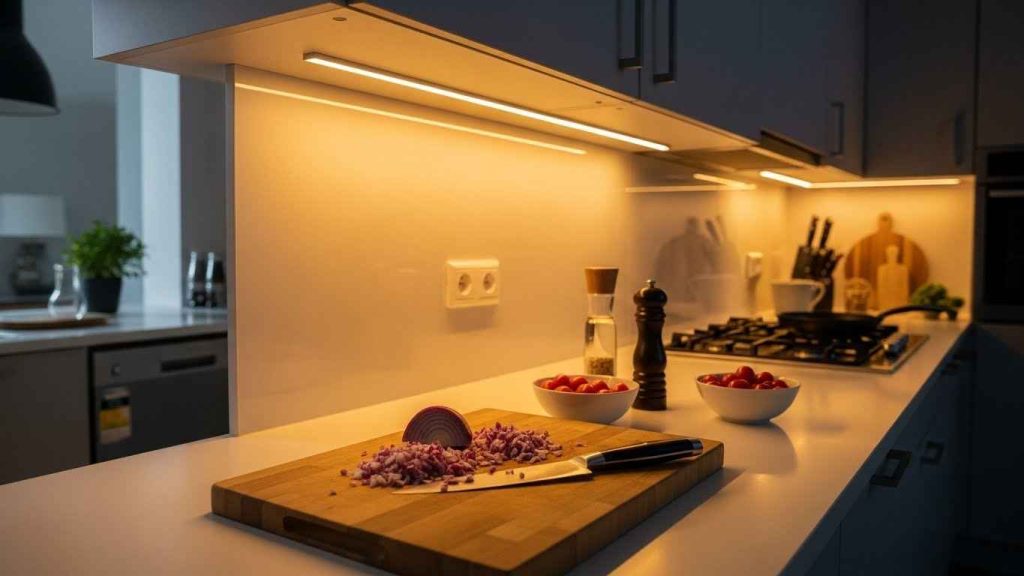
LED lights are bright and use very little energy. They provide perfect task lighting for chopping and cooking. You can find peel-and-stick strips for a simple DIY installation. This focused light means you do not need to turn on the big overhead light as often. LEDs also last for years, so you will not be replacing bulbs often.
14. Cook One-Pot Meals to Save Energy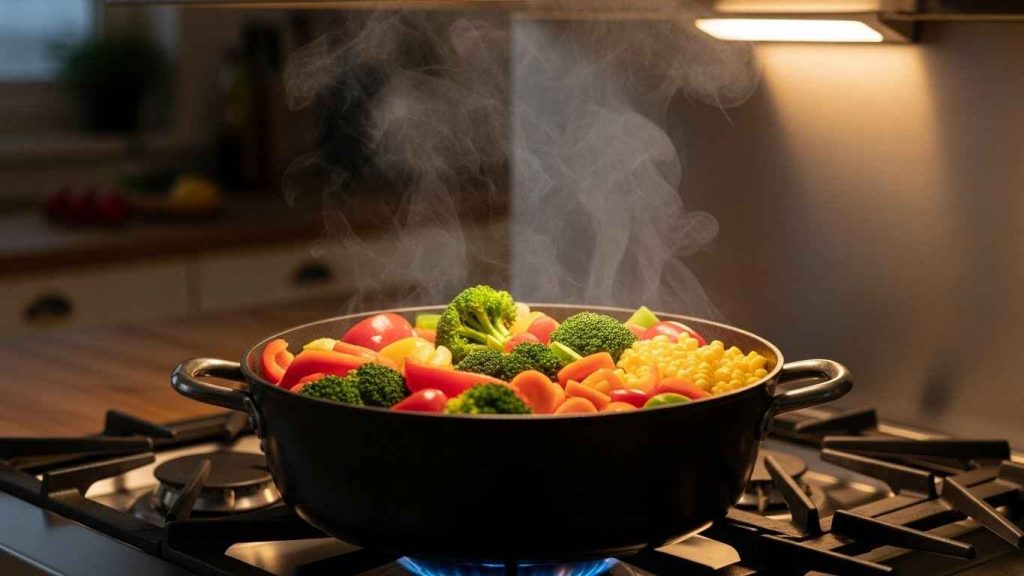
Cooking everything in one pot saves energy and water. You only use one burner and have fewer dishes to wash. Soups, stews, and skillet pasta are great options. This is a time-saving and efficient way to cook. It simplifies cleanup and reduces the energy needed to run your stove and dishwasher. Your meals can be just as delicious with less fuss.
15. Decorate with Potted Plants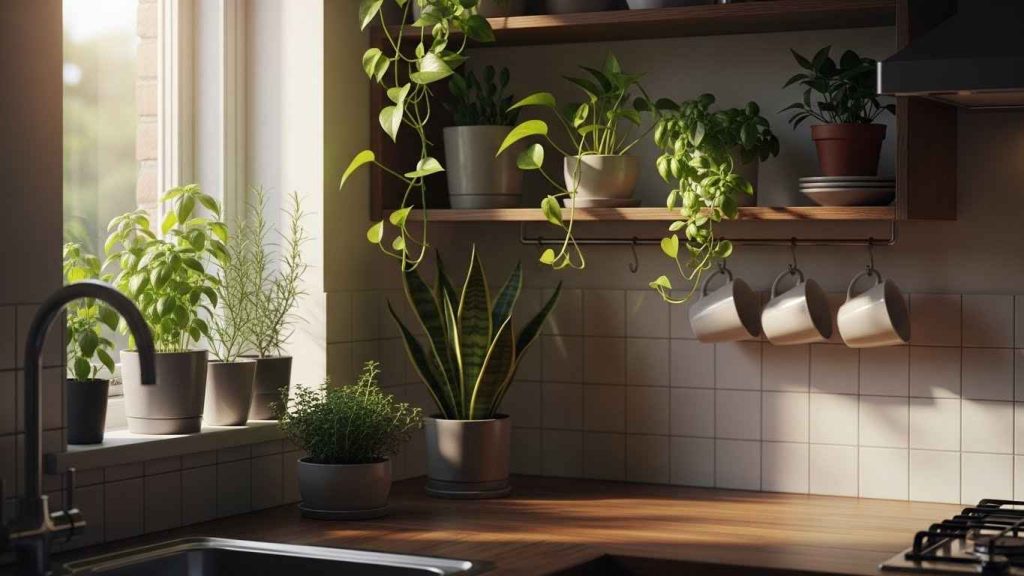
Plants improve air quality and add a touch of nature. Choose low-maintenance varieties like succulents or snake plants. You can propagate new plants from cuttings friends give you. This is a budget-friendly way to decorate. They bring beauty into your space without any waste. Caring for plants can also be a calming daily ritual.
16. Organize with Bamboo Drawer Dividers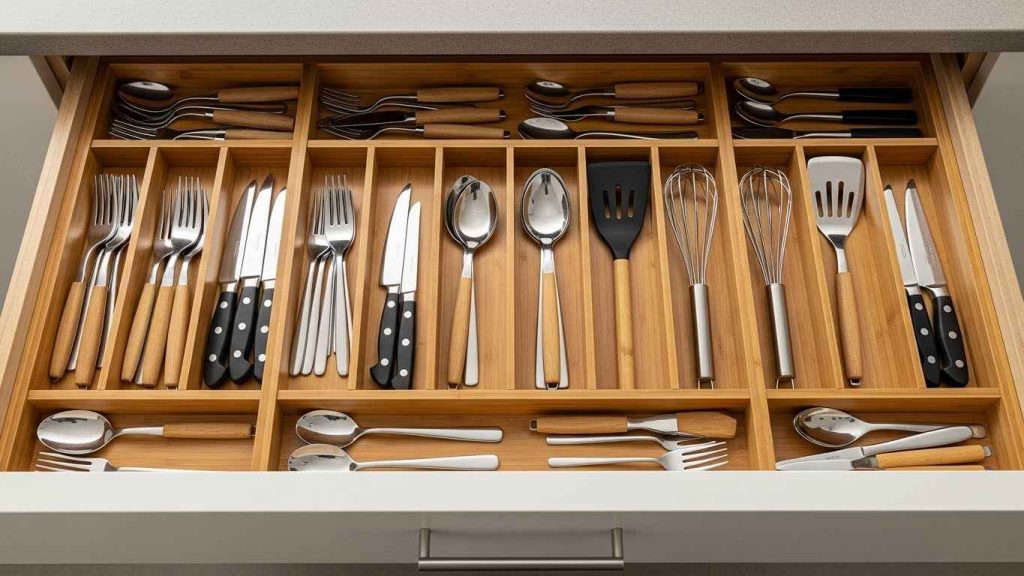
Bamboo is a sustainable, fast-growing material. Drawer dividers keep your utensils and tools in order. You can find adjustable sets or make your own from scrap wood. This creates a designated spot for everything. An organized drawer makes cooking easier and more pleasant. You will not waste time searching for the right tool.
17. Air-Dry Your Laundry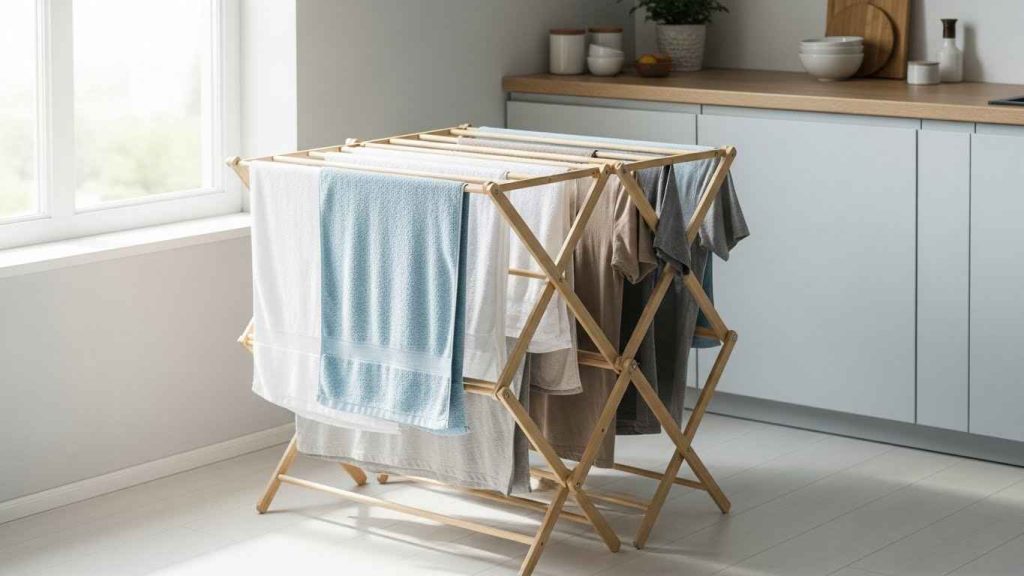
Skip the dryer when you can. A folding rack fits perfectly in a small space. Hanging clothes to dry saves a significant amount of energy. This is a great way to lower your electricity bill. Your clothes will also last longer without the wear and tear of the dryer. The fresh scent of air-dried laundry is a bonus.
18. Choose Recycled Aluminum Foil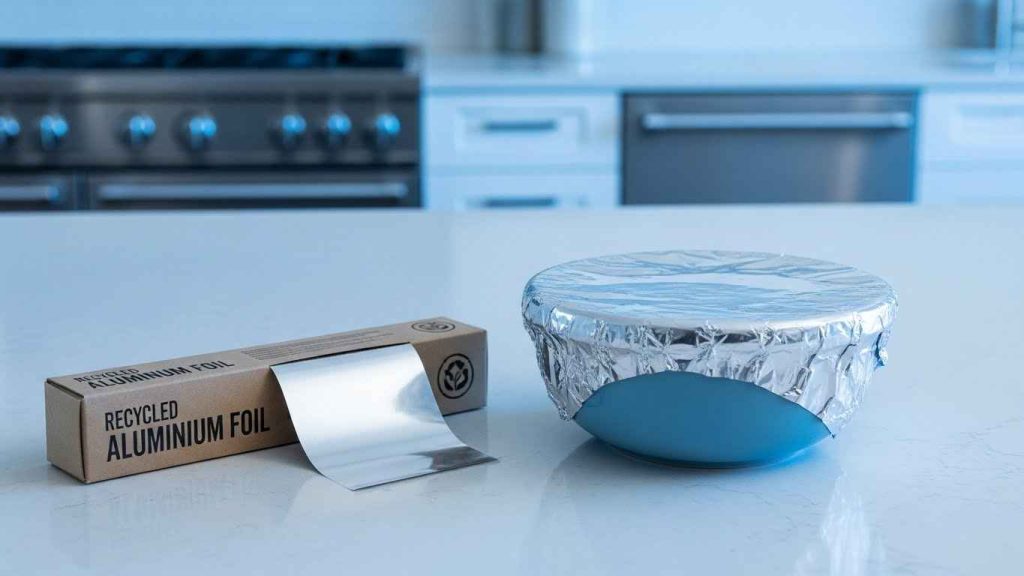
If you use aluminum foil, pick the recycled kind. It requires less energy to produce than foil made from new materials. Use it sparingly and try to reuse pieces when possible. For a budget-friendly alternative, use lids for bowls instead. This small product choice supports the market for recycled materials. Every purchase makes a statement.
19. Upcycle Furniture for a Unique Island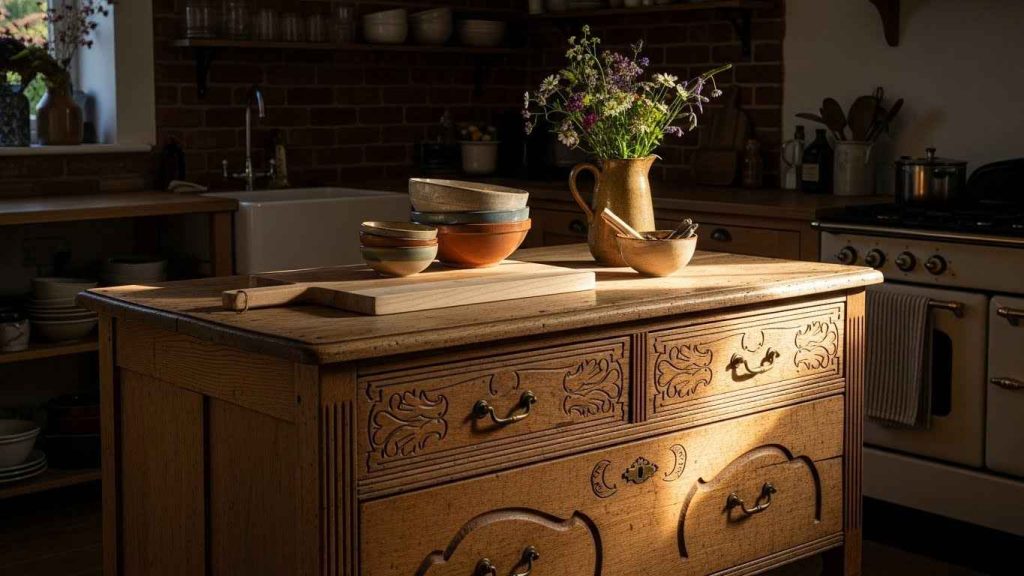
An old table or a sturdy desk can become a kitchen island. Sand it down and add a coat of non-toxic paint. This gives you extra prep space and storage. This DIY project is far cheaper than buying a new island. It also gives a unique, personal touch to your kitchen. You are giving a old piece of furniture a new life.
20. Cook Smarter with a Pressure Cooker
Pressure cookers cook food very quickly. This uses much less energy than slow simmering on the stove. They are perfect for beans, grains, and tough cuts of meat. This is an energy-saving powerhouse for any kitchen. You will save time and reduce your cooking energy use. It is a great tool for making large batches to eat throughout the week.
21. Use All-Natural Cleaning Sponges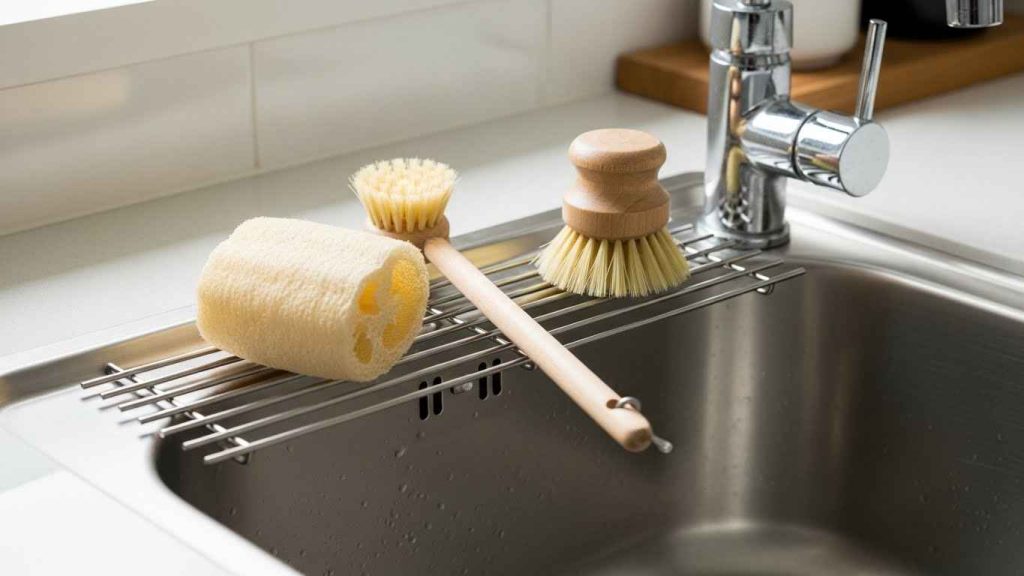
Swap plastic sponges for natural options. Loofahs, coconut fiber scrubs, and cellulose sponges work well. They are compostable at the end of their life. A simple DIY is to use a cut-up old cotton towel as a scrubber. These options are just as effective without the plastic waste. They are kinder to the environment and your home.
22. Invest in a Quality Water Filter
A good filter provides clean, great-tasting water straight from your tap. This eliminates the need for single-use plastic water bottles. While there is an upfront cost, it saves money over time. You will always have cold water ready. This is a simple way to reduce plastic bottle waste dramatically. It is also more convenient than carrying heavy packs from the store.
23. Plan Meals to Prevent Food Waste
Write a list before you go shopping. Check what you already have in the pantry and fridge. Plan meals that use similar ingredients. This helps you buy only what you need. You will throw away less food and save money. A little planning makes cooking less stressful and reduces waste.
24. Opt for Wooden Cutting Boards
Wooden boards are durable and naturally antimicrobial. They are often made from sustainable wood sources. With proper care, they last for many years. A budget-friendly tip is to look for them at secondhand stores. They are gentler on your knife blades than plastic or glass. A good wooden board is a kitchen workhorse that looks beautiful too.
25. Brighten Spaces with Reflective Backsplashes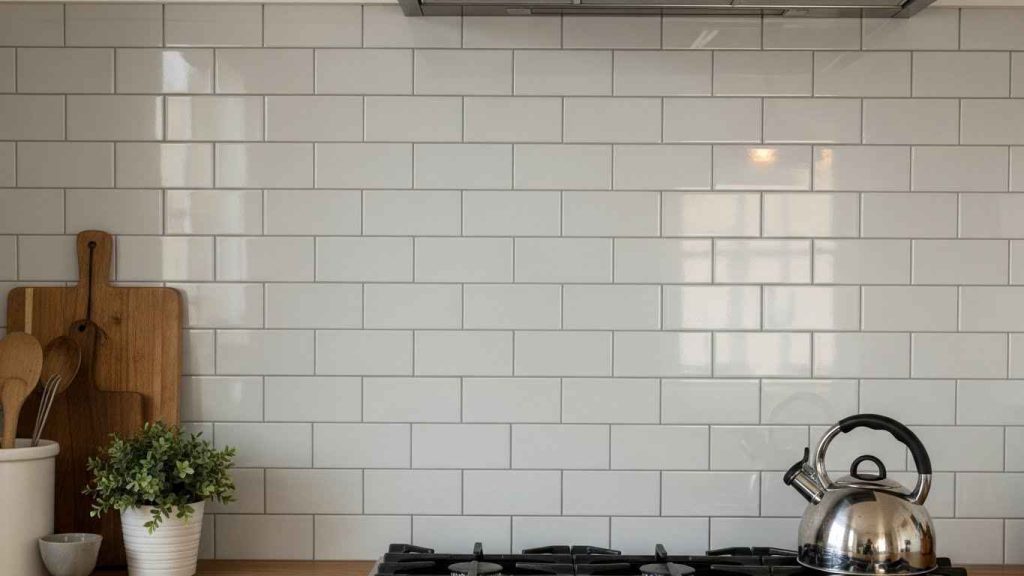
A light-colored, glossy backsplash reflects light around the room. This makes your small kitchen feel more spacious. You can use tiles made from recycled glass or ceramic. This is a simple design trick with a big visual impact. It enhances natural and artificial light. You will use your lights less often during the day.
26. Seal Gaps for Better Insulation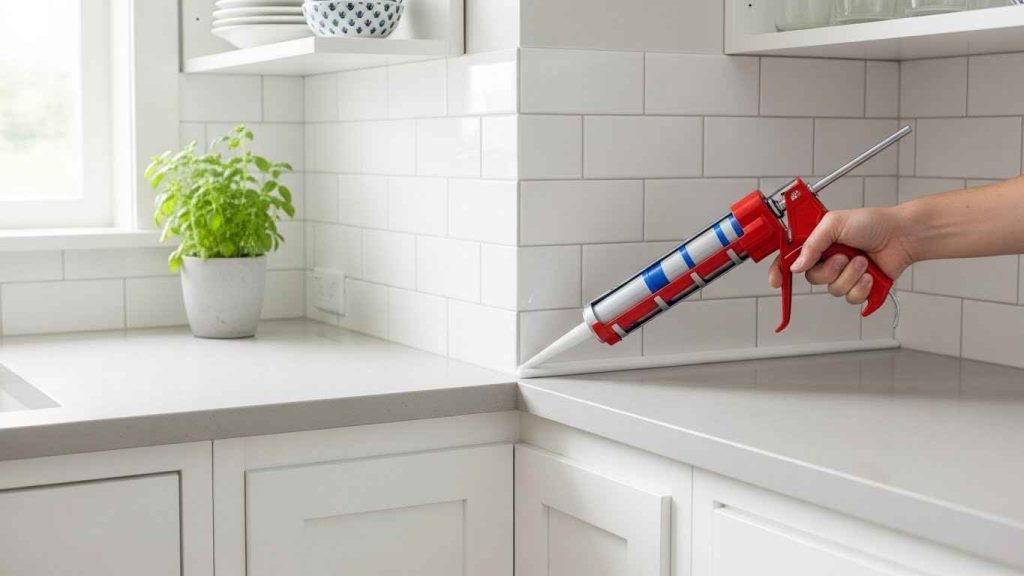
Check for drafts around windows, doors, and where pipes enter. Use weatherstripping or caulk to seal these gaps. This keeps warm or cool air inside your home. This is a low-cost project that improves your home’s energy efficiency. Your heating and cooling systems will not have to work as hard. This leads to lower energy bills and a more comfortable kitchen.
Start with one or two ideas that feel right for your home. Small, consistent actions create lasting change. You do not need to do everything at once. Pick what works for you and build from there. Your efforts make a real difference.