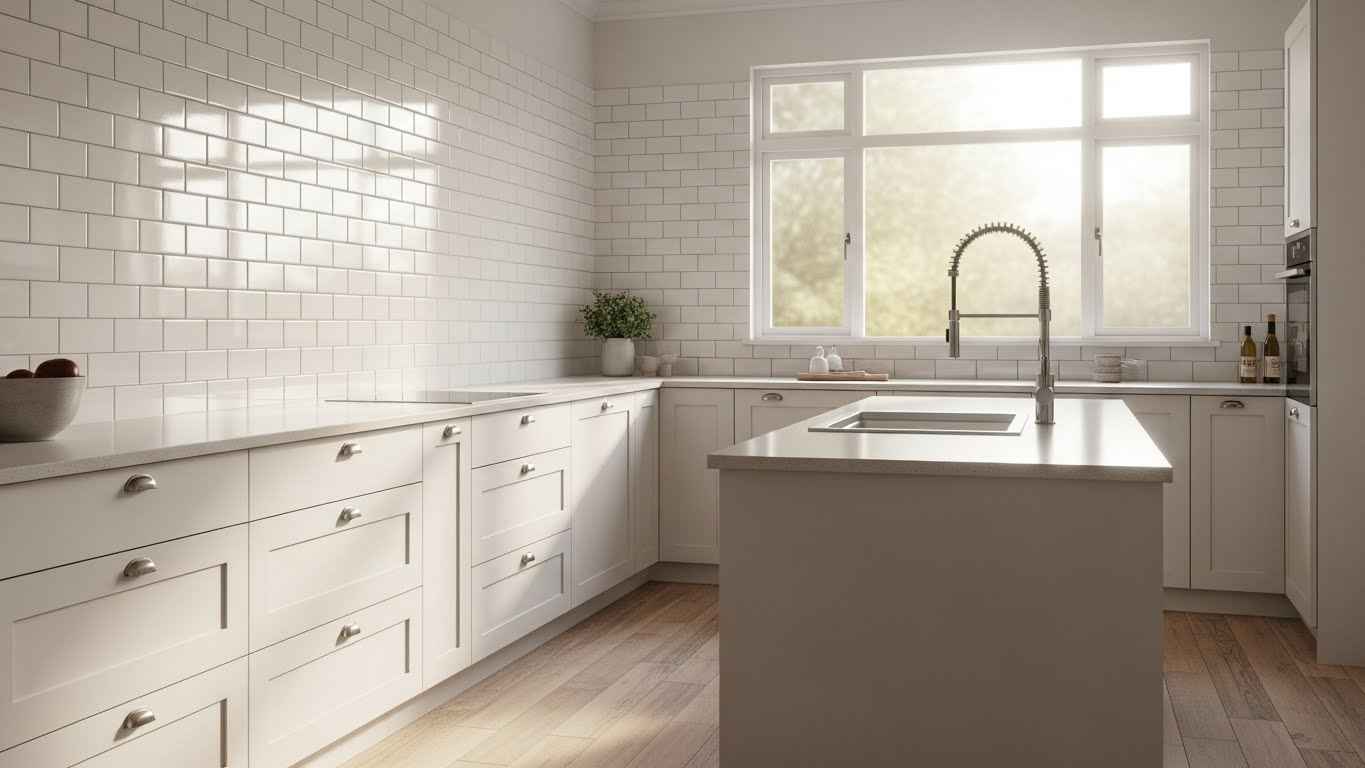
White subway tile brings a clean, classic look to any kitchen. Its simple shape works with many styles. You can arrange it in different patterns. It pairs well with various colors and materials. This tile is a practical choice for walls and backsplashes. It is easy to clean and maintain. These ideas show how to use it in your home.
1. The Classic 3×6 Brick Pattern
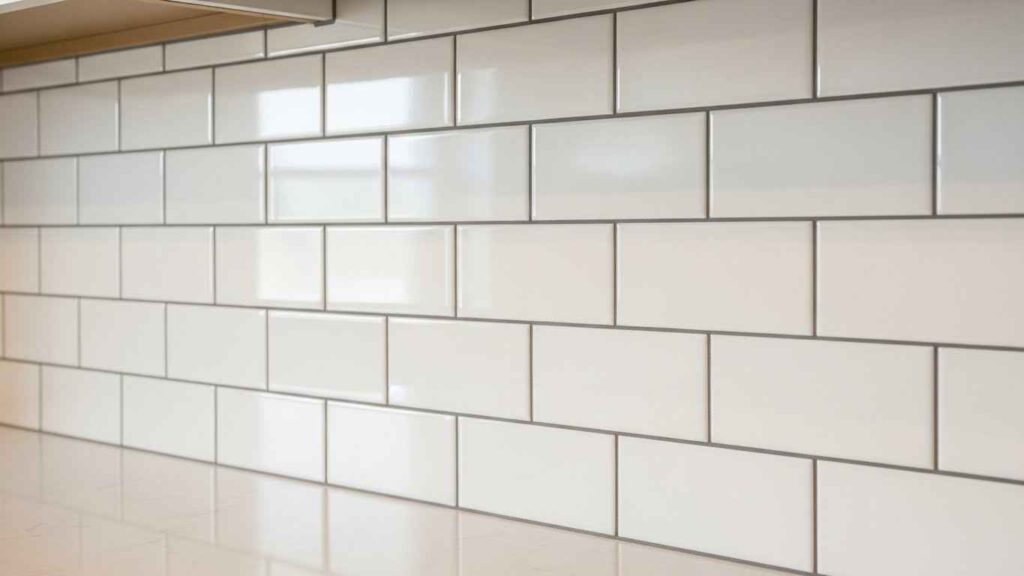
The brick pattern is the most common way to install subway tile. Each tile is offset by half its length from the one below. This creates a staggered look. It is a timeless design that works in any kitchen. Using a dark grout can make the pattern stand out more. For a budget-friendly approach, use standard white tiles from a local hardware store. This pattern is simple enough for a confident DIY project.
2. Sleek Subway Tile Backsplash
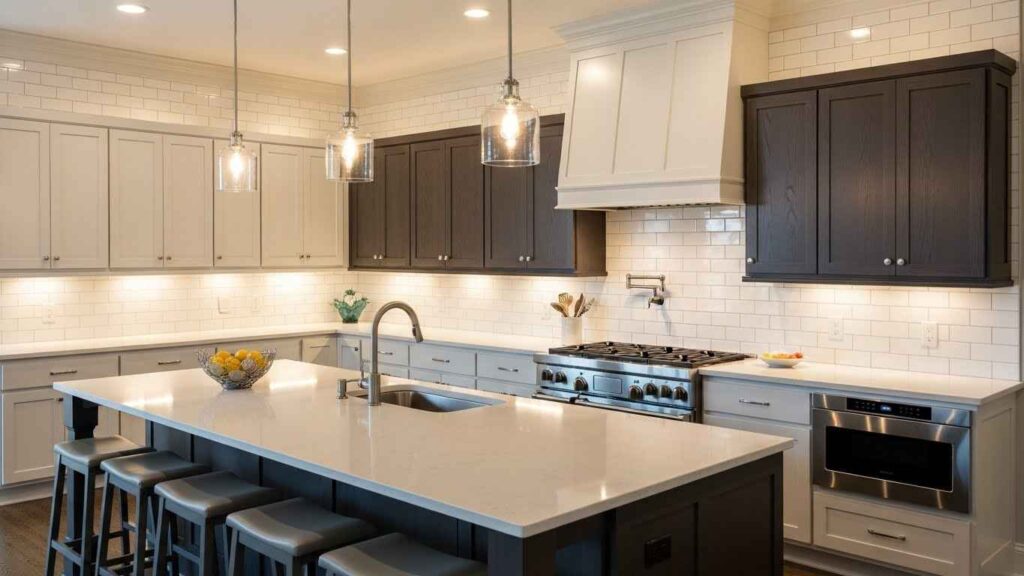
A subway tile backsplash protects your walls from splashes and stains. It also adds a bright, reflective surface to your kitchen. A full-height backsplash that goes up to the cabinets makes a strong style statement. Keep the look continuous by carrying the tile along all wall areas. To save money, consider installing the backsplash yourself. You only need a few basic tools and materials.
3. Herringbone Floor to Ceiling
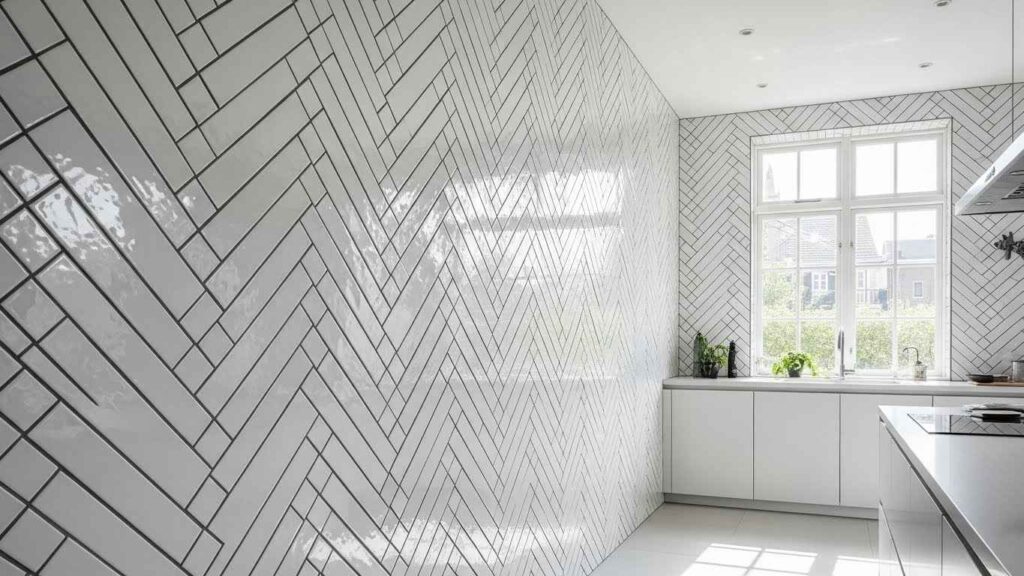
The herringbone pattern adds movement and visual interest. Laying tiles in a V-shape creates a dynamic feel. Using this pattern from floor to ceiling can make a small kitchen feel taller. This layout acts as a focal point. It looks complex but uses simple rectangular tiles. For a DIY version, use a laser level to mark your starting line. This helps keep the pattern straight as you work upward.
4. Vertical Stack Bond Layout
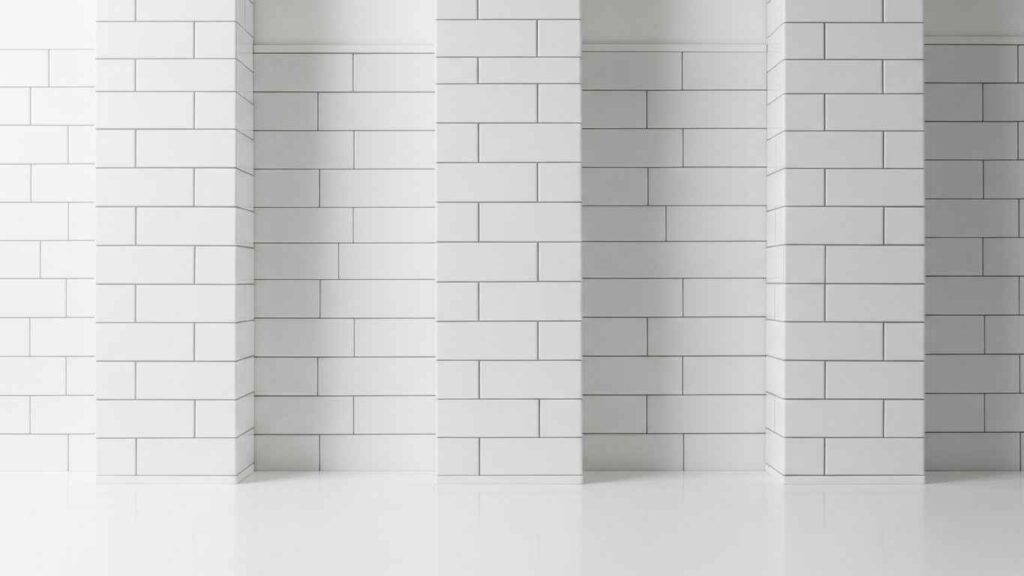
Stacking tiles vertically is a modern take on the classic look. This layout makes low ceilings appear higher. The straight, uninterrupted lines feel clean and orderly. It offers a less busy alternative to the brick pattern. This is an easy pattern for a DIY installation. You just line up the tiles directly on top of each other. No offsetting is required, which simplifies the process.
5. A Subway Tile Kitchen Island
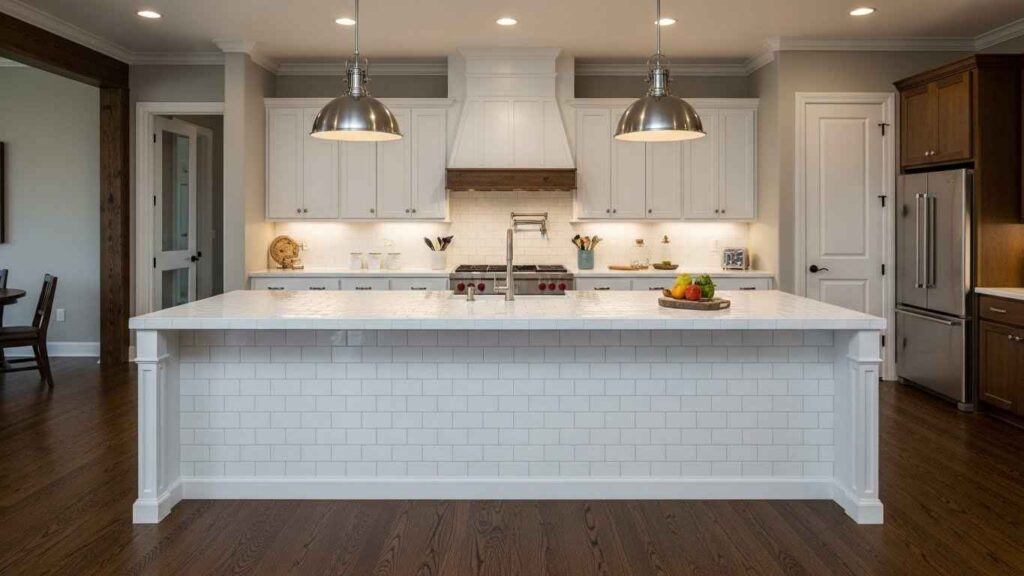
Tiling your kitchen island adds character and durability. It turns a functional piece into a design feature. The tile protects the island’s sides from bumps and scratches. This defines the island as a central hub. Choose a wipeable gloss finish for easy cleaning. You can tile just the sides or the countertop as well. For a budget update, resurface an old island with tile instead of replacing it.
6. Black Grout for Dramatic Contrast

Black grout transforms simple white tiles. It creates a strong, graphic grid that defines each tile. This look is perfect for adding character without changing the tile itself. The contrast is bold and easy to maintain, as dark grout does not show stains. Applying grout is a DIY-friendly step. Just be sure to seal it properly afterward to protect the color and make cleaning simpler.
7. Subway Tile with Dark Cabinets
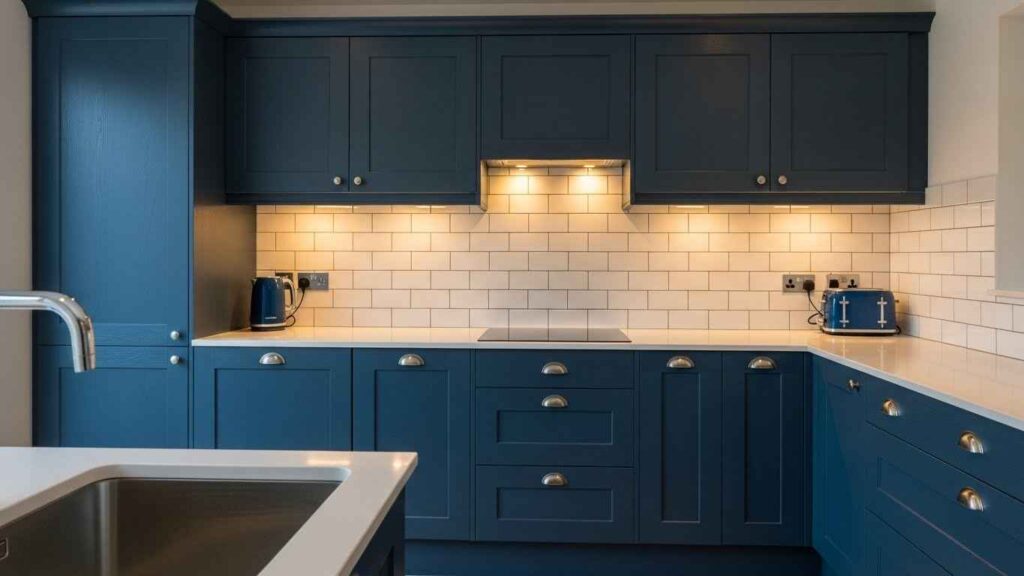
Dark cabinets feel rich and sophisticated. White subway tile provides a bright contrast that keeps the space from feeling too heavy. The combination is both modern and timeless. The white tile reflects light around the room. If you have dark cabinets, a white backsplash is a simple way to add balance. Painting your existing cabinets a dark color is a budget-friendly way to achieve this high-end look.
8. A Timeless White Kitchen Palette
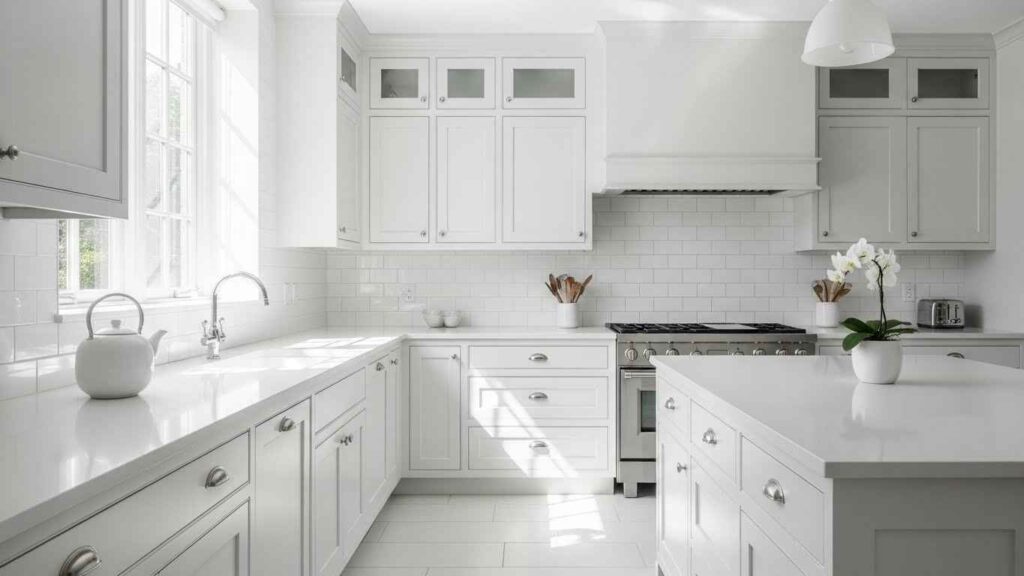
An all-white kitchen feels clean, bright, and spacious. Using white subway tile within this scheme adds texture without introducing color. Different sheens and materials keep it from feeling flat. Mix glossy tiles with matte cabinets for subtle variation. To avoid a sterile feel, incorporate natural elements like a wood cutting board or a few green plants. This look is easy to maintain over time.
9. Subway Tile Behind the Range
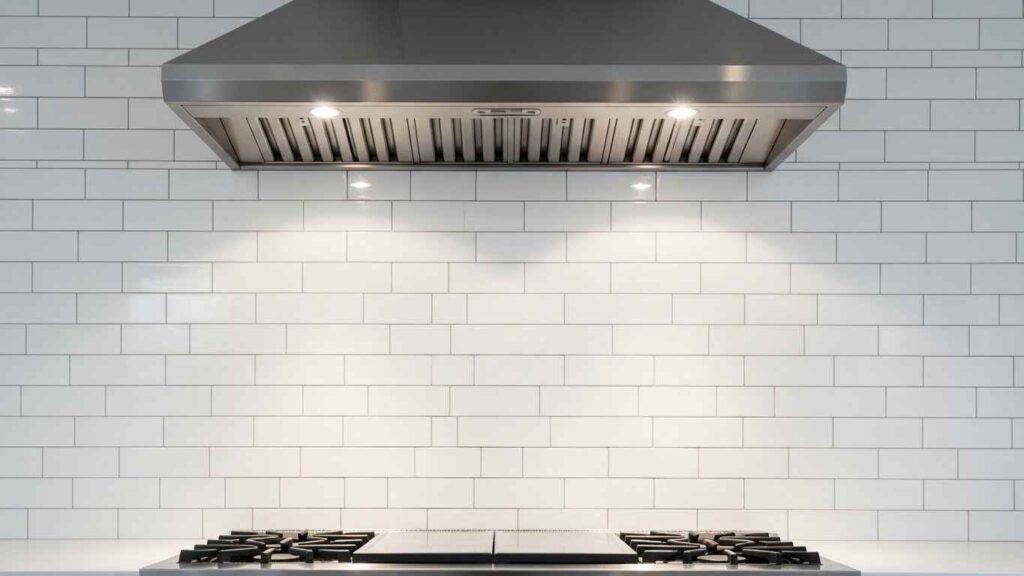
The wall behind your stove gets the most use and grease. Subway tile is an ideal material here because it is simple to wipe clean. Creating a tile panel behind the range makes a practical style statement. This zone is both high-impact and high-function. For a DIY project, this is a small, manageable area to start with. Use a level to ensure your first row of tiles is perfectly straight.
10. A Modern Offset Layout
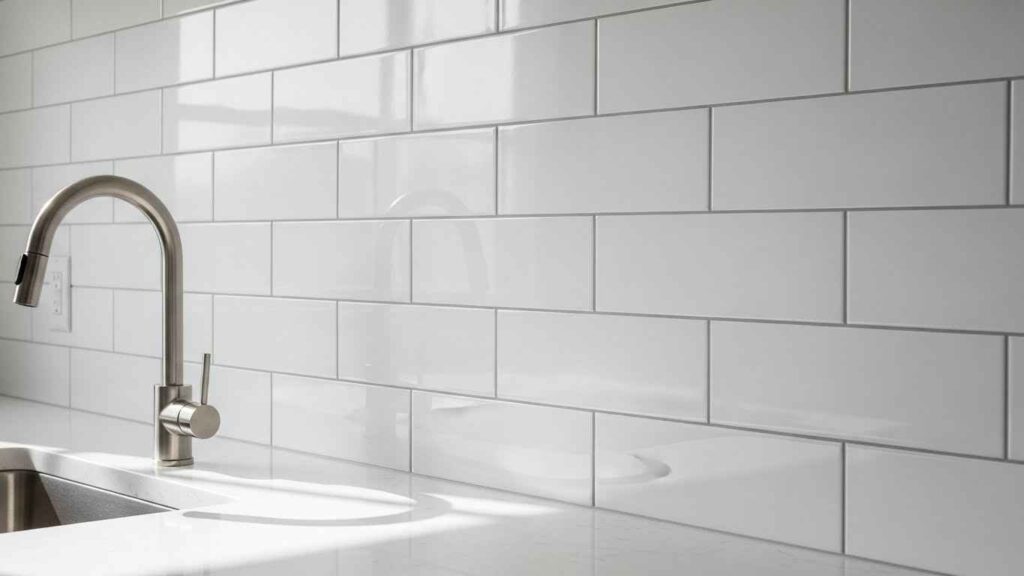
A modern offset changes the traditional brick pattern. Instead of a half-tile offset, you shift the tiles by a third of their length. This creates a more subtle, less predictable rhythm. It feels fresh while still being classic. This is an easy update if you are installing tile yourself. Simply use spacers to maintain consistent grout lines and keep the pattern uniform across the wall.
11. Glossy vs. Matte Finishes
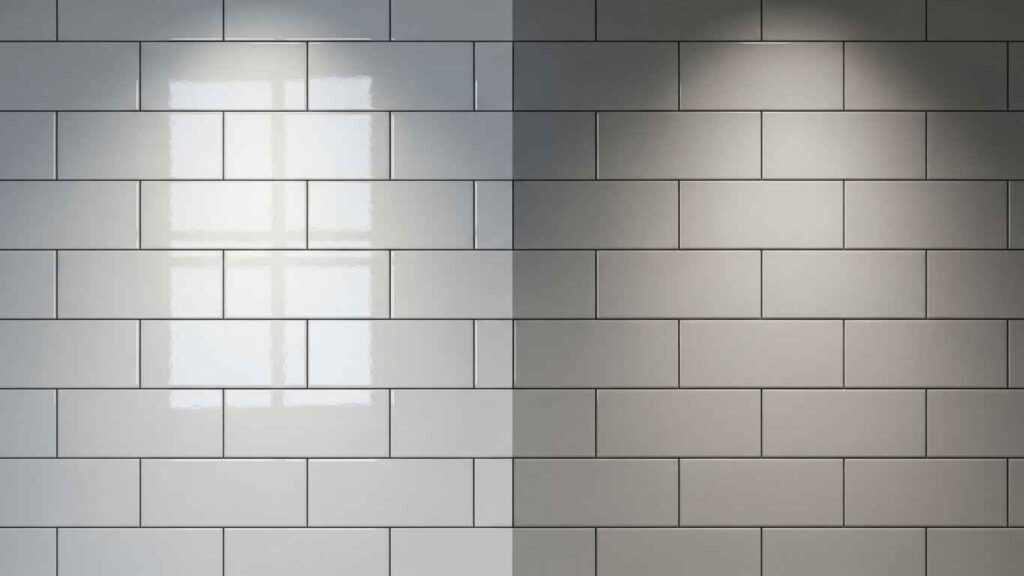
The finish of your tile changes the entire feel of the kitchen. Glossy tile reflects light, making a space feel brighter and more open. Matte tile absorbs light for a soft, modern look. Glossy surfaces are easier to clean, which is great for backsplashes. Matte finishes can help hide minor imperfections. When choosing, consider both the look and the practical cleaning needs of the area you are tiling.
12. Laying Tile in a Diagonal Pattern
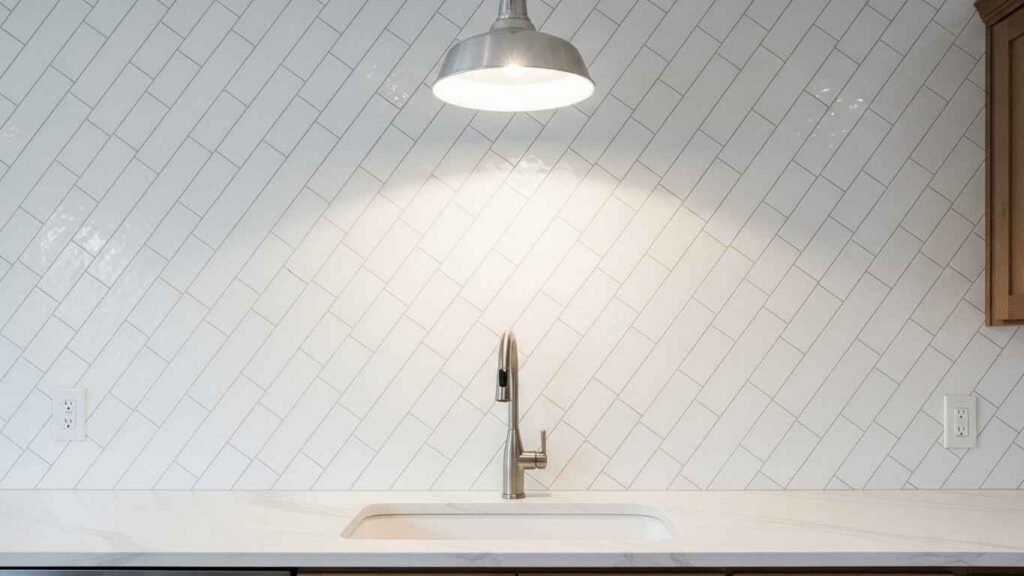
Laying tiles on a diagonal instantly makes a kitchen feel custom. The diamond pattern draws the eye and adds energy. It is a great way to use a classic tile in a less common way. This pattern can help disguise walls that are not perfectly straight. Cutting the edge tiles can be tricky, so renting a tile cutter is a budget-savvy move for a DIYer tackling this project.
13. Subway Tile with Wood Accents
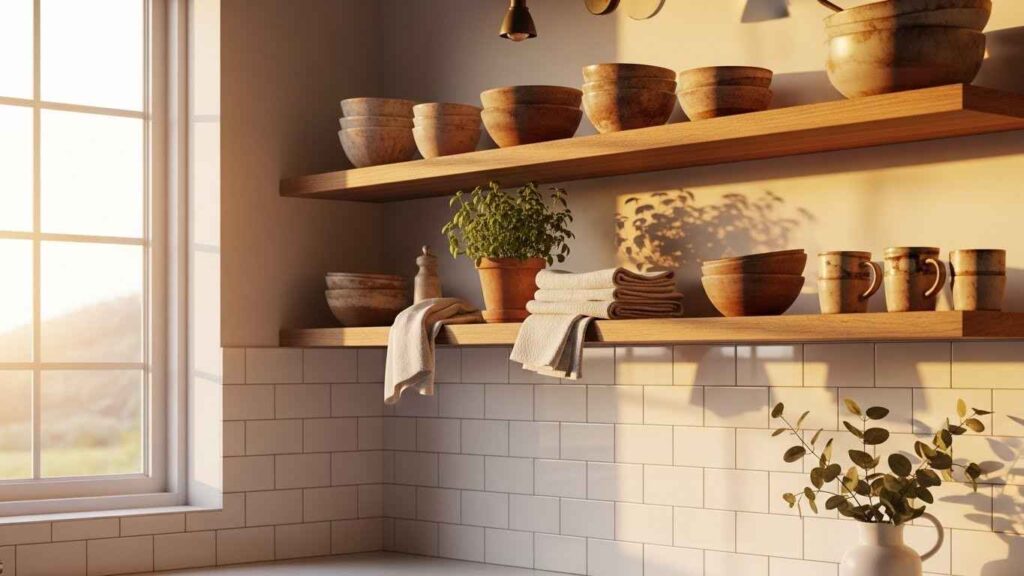
Wood brings warmth and natural texture to a white tile kitchen. It keeps the space from feeling too cold or clinical. Consider wood open shelves, a wood countertop, or wood flooring. The combination feels both modern and homey. Adding a wood floating shelf above your tiled backsplash is a simple DIY project. You can often find pre-finished shelves that just need to be mounted on brackets.
14. Creating a Subway Tile Niche
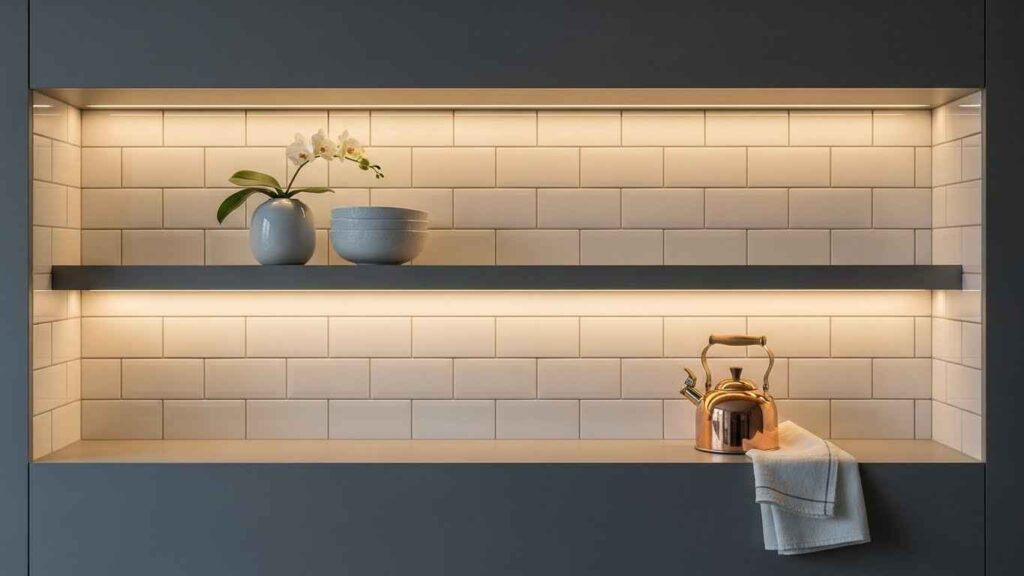
A niche is a recessed shelf within a wall. Tiling the inside adds a built-in look and makes it easy to clean. It is a perfect spot for displaying cookbooks or decorative items. This adds architectural interest without taking up floor space. If you are building a new wall or renovating, ask about framing a niche. For a simpler approach, a shallow, pre-made shelf can be mounted onto a tiled wall.
15. Subway Tile with Open Shelving
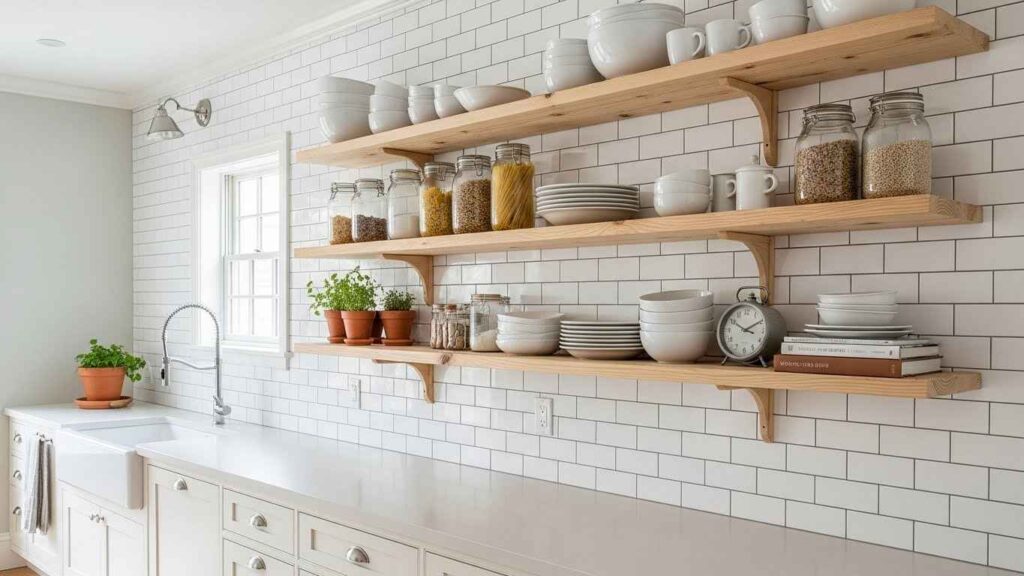
Open shelves make a kitchen feel more open and accessible. When paired with a subway tile backsplash, the tile becomes a clean background for your dishes and glassware. This setup is practical for everyday use. Installing floating shelves is a relatively easy DIY task. Just be sure to use sturdy anchors to support the weight. This is a cost-effective alternative to upper cabinets.
16. A Basketweave Tile Accent
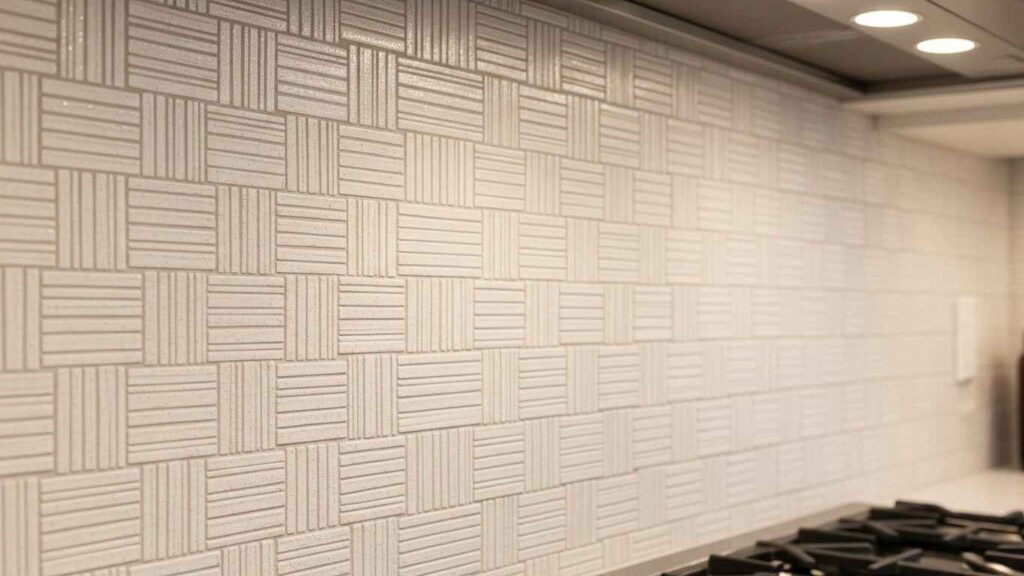
A basketweave pattern uses tiles to create a woven look. This adds wonderful texture and detail to a kitchen wall. It works well as a small accent within a larger field of simpler tile. This pattern introduces classic charm. You can create this look by combining subway tiles with smaller square tiles. For a budget option, use a basketweave tile sheet, which holds the small tiles together for easier installation.
17. Subway Tile with Marble Countertops
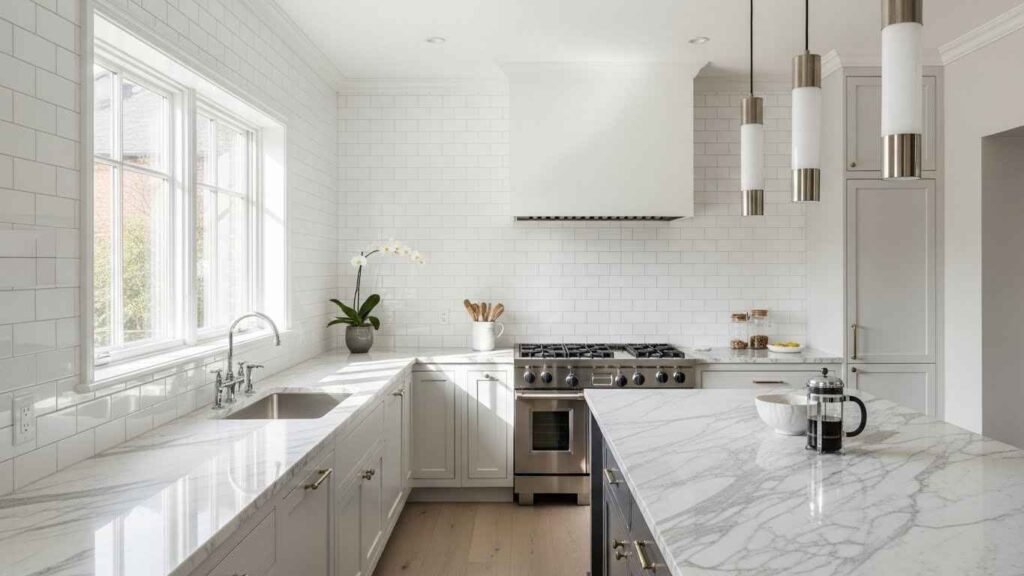
Marble and white subway tile are a classic pairing. Both are timeless materials that work in traditional and modern spaces. The simple tile lets the beautiful marble veining take center stage. The look is cohesive and upscale. If a solid marble countertop is not in the budget, consider marble-look porcelain tiles for the counter or a marble remnant for a smaller island top.
18. Floor-to-Ceiling Subway Tile
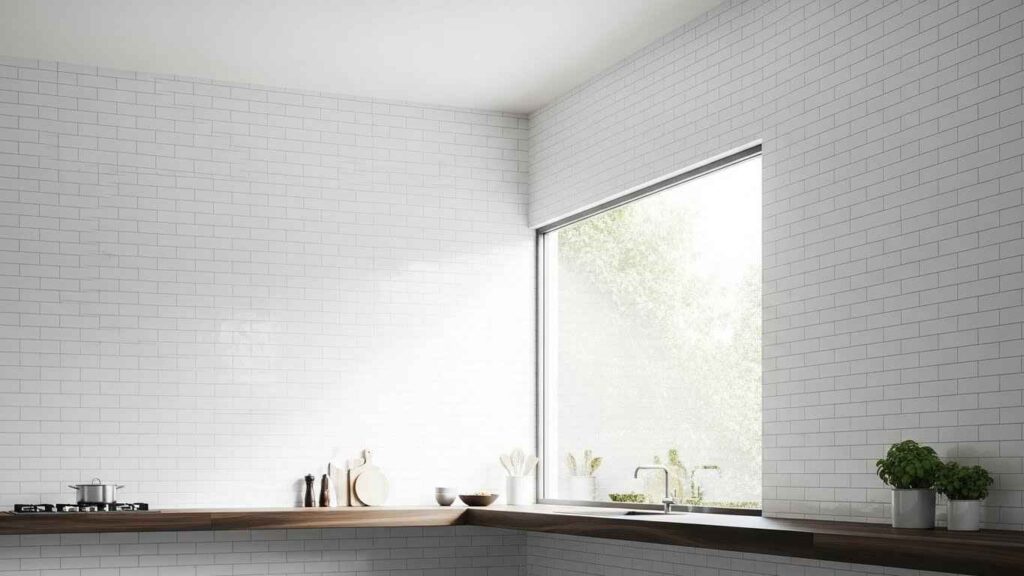
Covering an entire wall in tile makes a powerful design statement. It creates a seamless, easy-to-clean surface that is especially useful behind counters and sinks. This approach can make a room feel larger. It turns the wall into a canvas. This uses more tile, so to manage costs, look for affordable, simple tiles. Doing the installation yourself can also save a significant amount of money.
19. A Subway Tile Kitchen Splashback
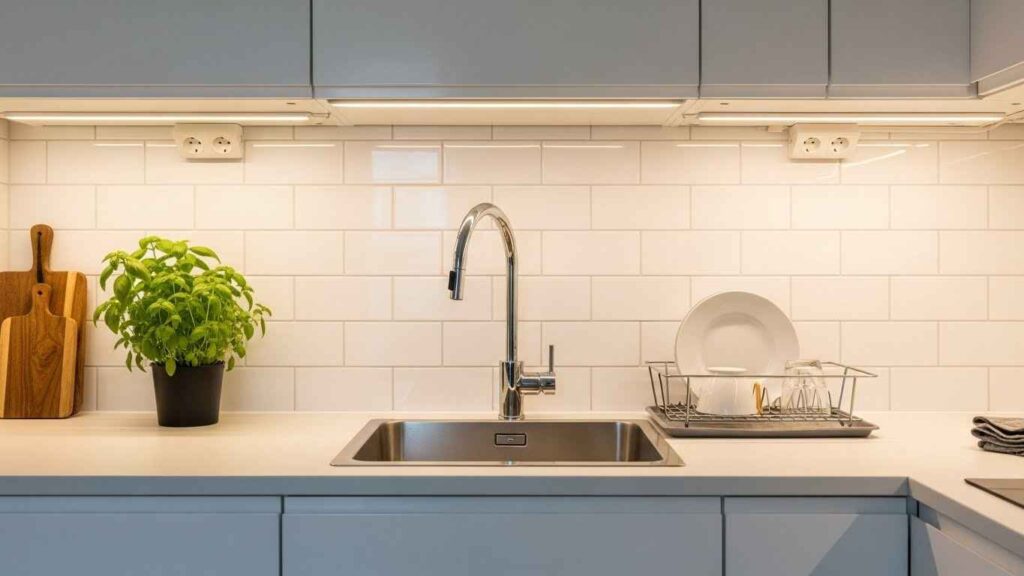
A splashback is a smaller tiled area, often just behind the sink. It is a functional solution for a wet zone. A white subway tile splashback is easy to keep clean and bright. This is a minimal yet effective use of tile. This is a perfect first-time tiling project because the area is small. You can complete it in an afternoon with a few basic supplies.
20. Subway Tile with Brass Hardware
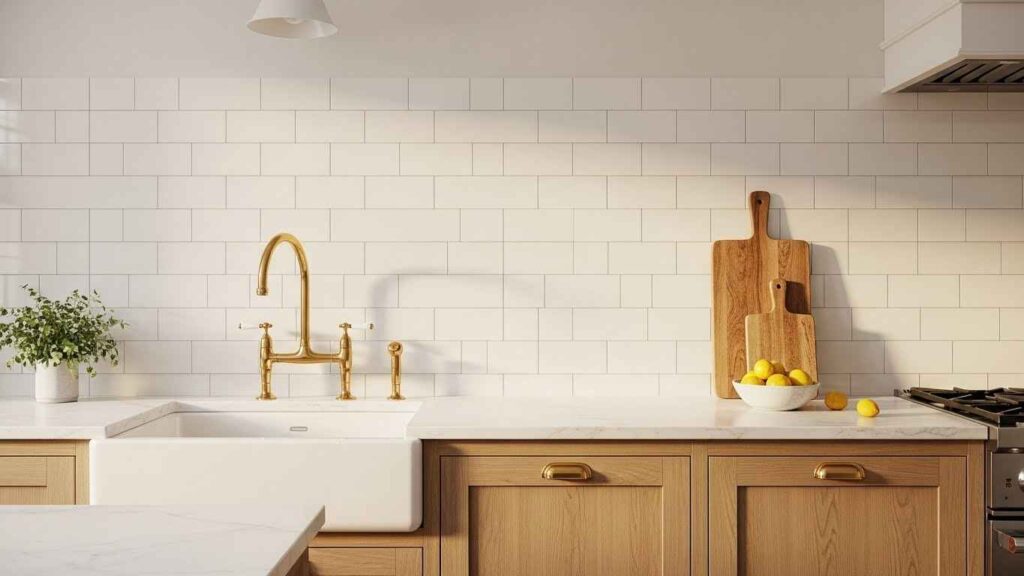
Brass hardware adds a touch of warmth and luxury. Against cool white tile, the combination feels both classic and current. The metallic finish reflects light beautifully. This pairing feels rich and inviting. You do not need to replace all your hardware at once. Start by swapping out just your kitchen faucet for a brass one to see if you like the effect. It is a simple update.
21. A Subway Tile Breakfast Nook
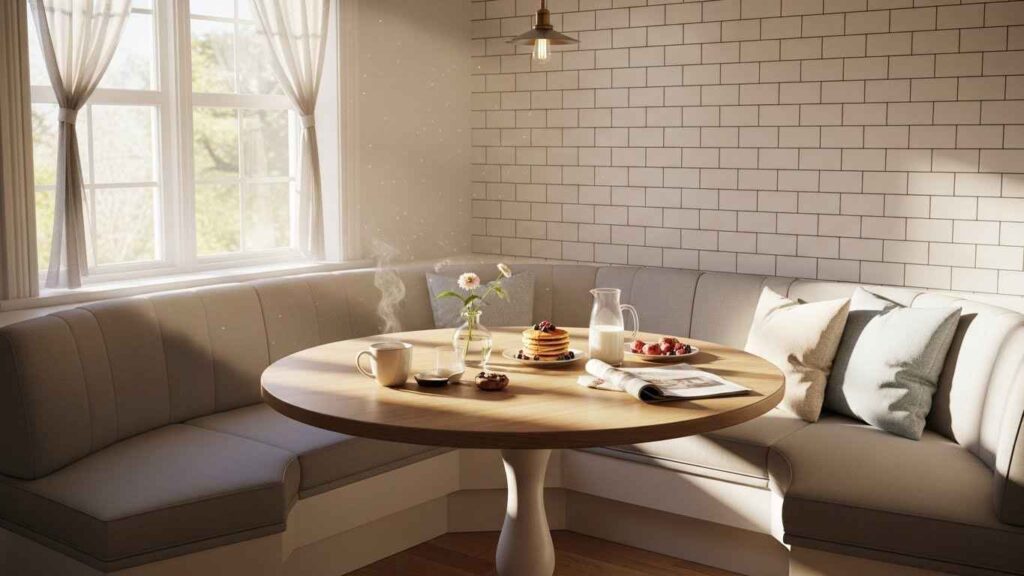
Define a breakfast nook by tiling the wall behind the seating. This creates a sense of place and makes the nook feel intentional. The tile also protects the wall from chairs and daily use. It carves out a special corner in an open-plan space. Building a simple bench with a padded top is a DIY-friendly way to create a nook without buying a full furniture set.
22. Subway Tile with Recessed Lighting
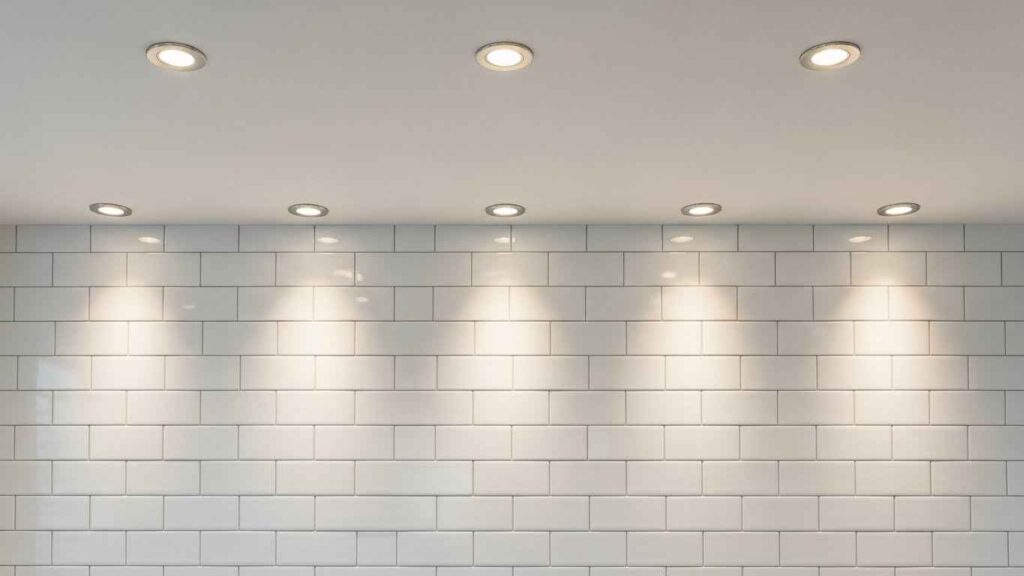
Good lighting is key in a kitchen. Recessed lights provide clean, general illumination without clutter. When aimed at a white subway tile wall, the light bounces around, brightening the whole room. This makes the space feel larger and more open. If you are not comfortable with electrical work, stick-on, battery-operated LED light strips are a great budget-friendly alternative for adding light under cabinets.
23. The Subway Tile Wet Bar
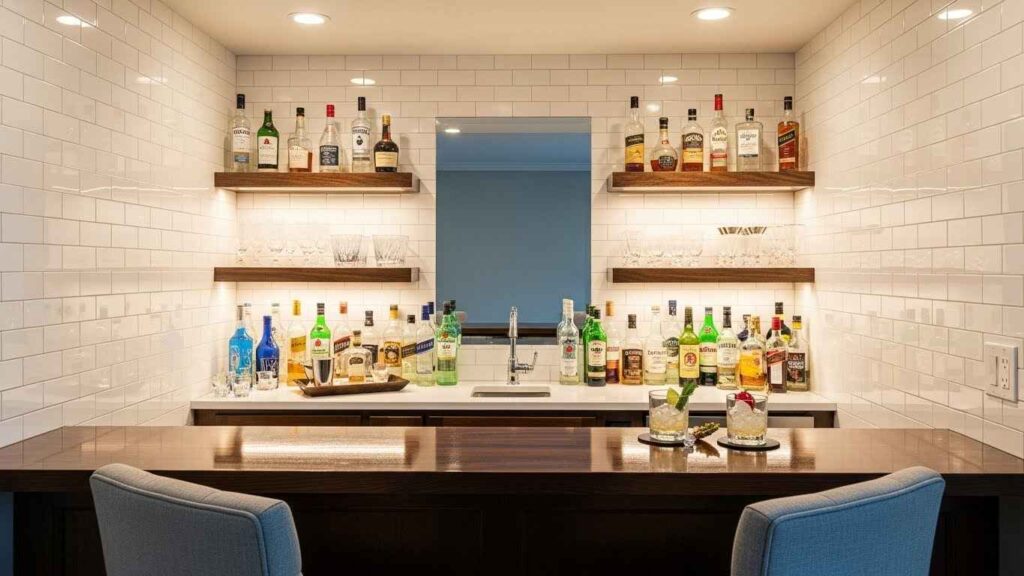
A wet bar is a perfect spot for a stylish tile application. White subway tile creates a clean, classic backdrop for glassware and bottles. It is also highly practical for dealing with spills. This gives a dedicated area a finished look. You can create a wet bar in a small niche or on a console table. Tiling the wall behind it instantly makes it feel more permanent and designed.
24. Subway Tile with a Colored Ceiling

Painting your ceiling a color is a bold move. With white subway tile on the walls, a colored ceiling adds personality without competing. It feels like a hidden surprise. This draws the eye upward and adds volume. Painting a ceiling is one of the most affordable ways to transform a room. It is a DIY project that requires more patience than skill.
25. A Subway Tile Butler’s Pantry
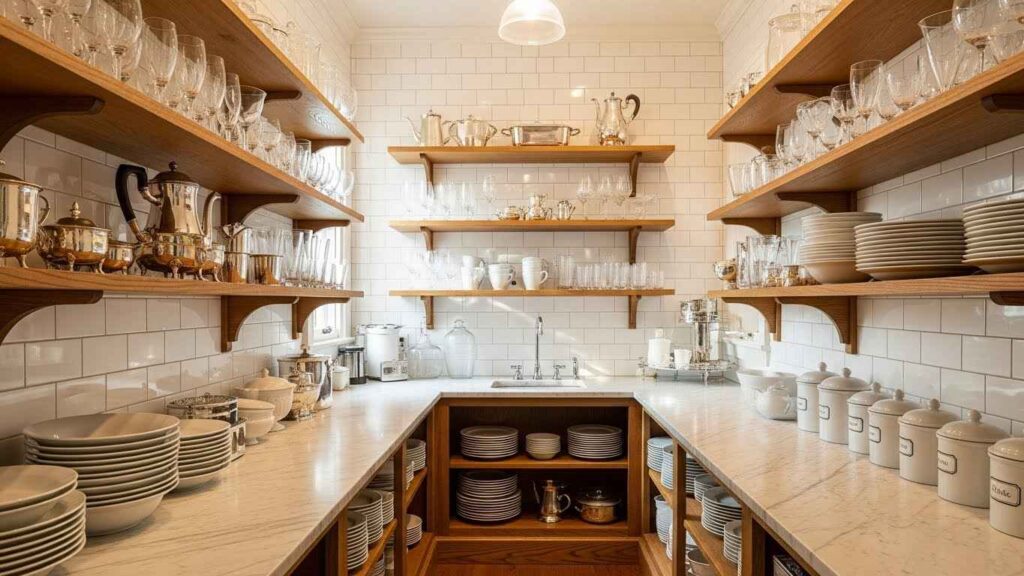
A butler’s pantry is a utility space that benefits from a durable, cleanable surface. White subway tile is ideal for this. It makes the often-windowless space feel bright and clean. This keeps a work area looking polished. If you do not have a separate pantry, you can create a similar feel by tiling the walls of a deep kitchen closet you use for storage.
26. Subway Tile with Geometric Floors
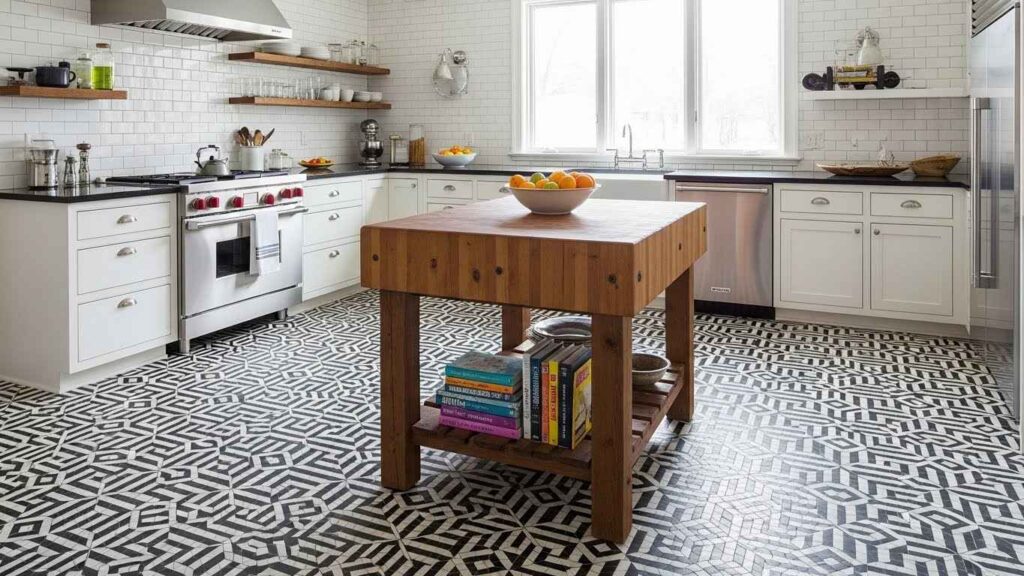
Let your floors do the talking. Pair quiet white subway tile walls with a geometric patterned floor. This creates a balanced room where one element is calm and the other is energetic. The tile acts as a neutral backdrop. For a budget-friendly option, look for geometric pattern vinyl floor tiles. They are easy to install yourself and can be placed right over your existing floor.
White subway tile offers endless possibilities for your kitchen. Start with one small area, like a backsplash behind the sink. See how the light and clean lines change the room. A simple change can make your daily routine feel a little brighter.