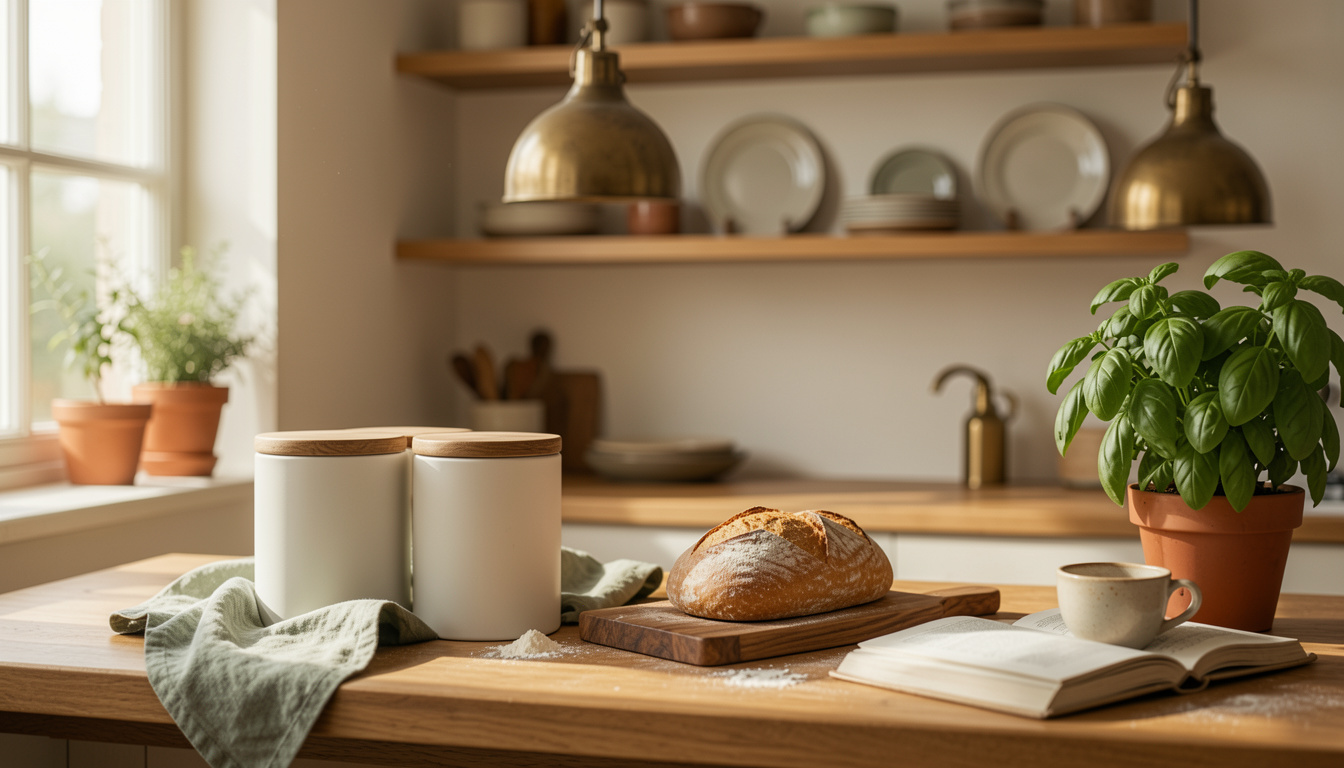
My kitchen used to look like a theme-park version of a barn. Too many signs, too much shiplap, and every shelf overflowing. I learned the hard way that rustic does not mean literal props.
How to design a barn kitchen that feels rustic without looking theme park is easier than it sounds. Expect to spend about $300 to $900 depending on whether you swap lighting or just style counters. I designed mine with layers, not kitsch, and I’ll show the phases that mattered.
Warm wood accents and edited open shelving are where I started because they anchor the look without theatrics. Studio McGee and Magnolia boards tend to push the same ideas, so I leaned into what actually works in daily life.
1. Start with the Foundation: Counter and Cabinet Reset
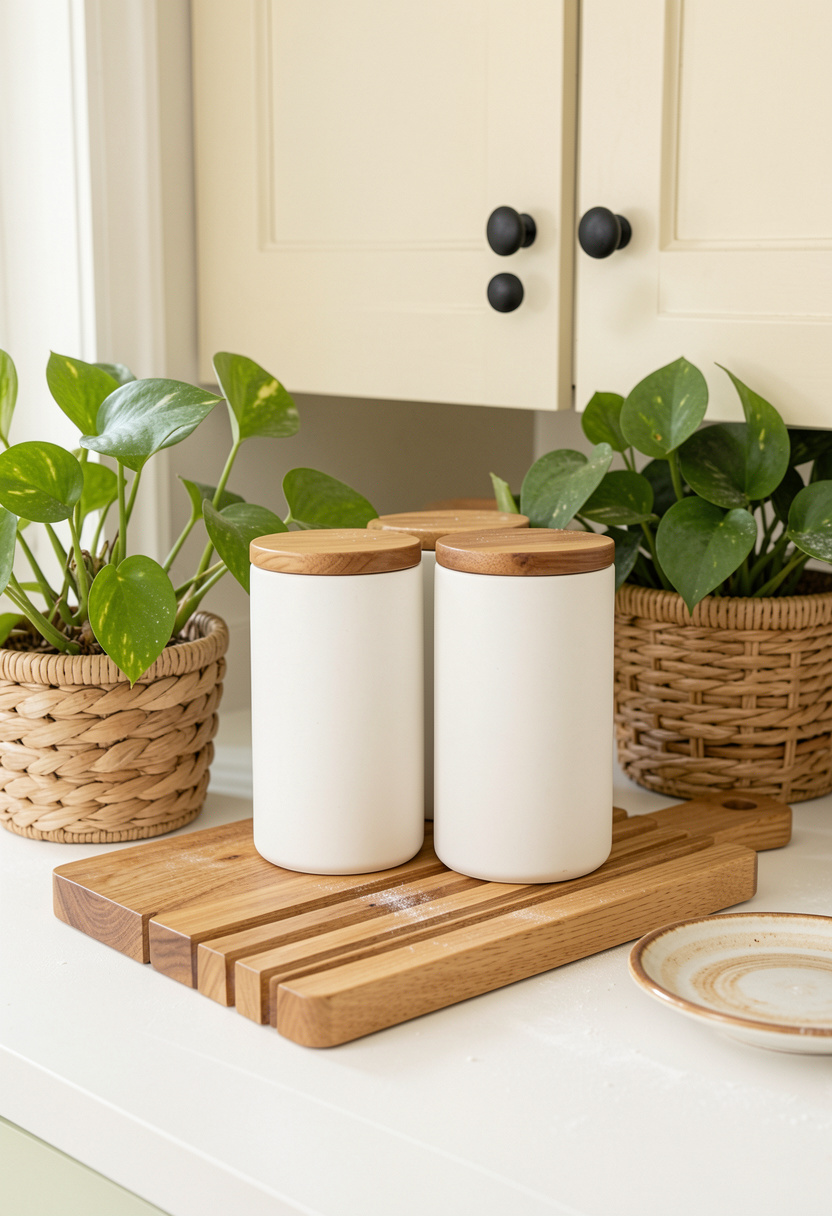
Start by clearing the visual field. Remove mismatched jars, duplicate gadgets, and anything you do not reach for weekly. The goal is negative space around one styled cluster.
Make the cluster practical. Lean an acacia cutting board with juice groove 18 inch against the backsplash, add a Matte white ceramic canister set with acacia wood lids, and a single small plant to the right. Keep the group to three items.
Visually, you want contrast in height: tall board, medium canister, low planter. That keeps the eye engaged and prevents a flat row of objects. Leave at least 12 to 18 inches of empty counter on either side.
Common mistake: piling every useful item into a single area. Instead, spread function into zones and let one cluster read as styling, not storage.
2. Layer Warmth with Wood and Linen Textures
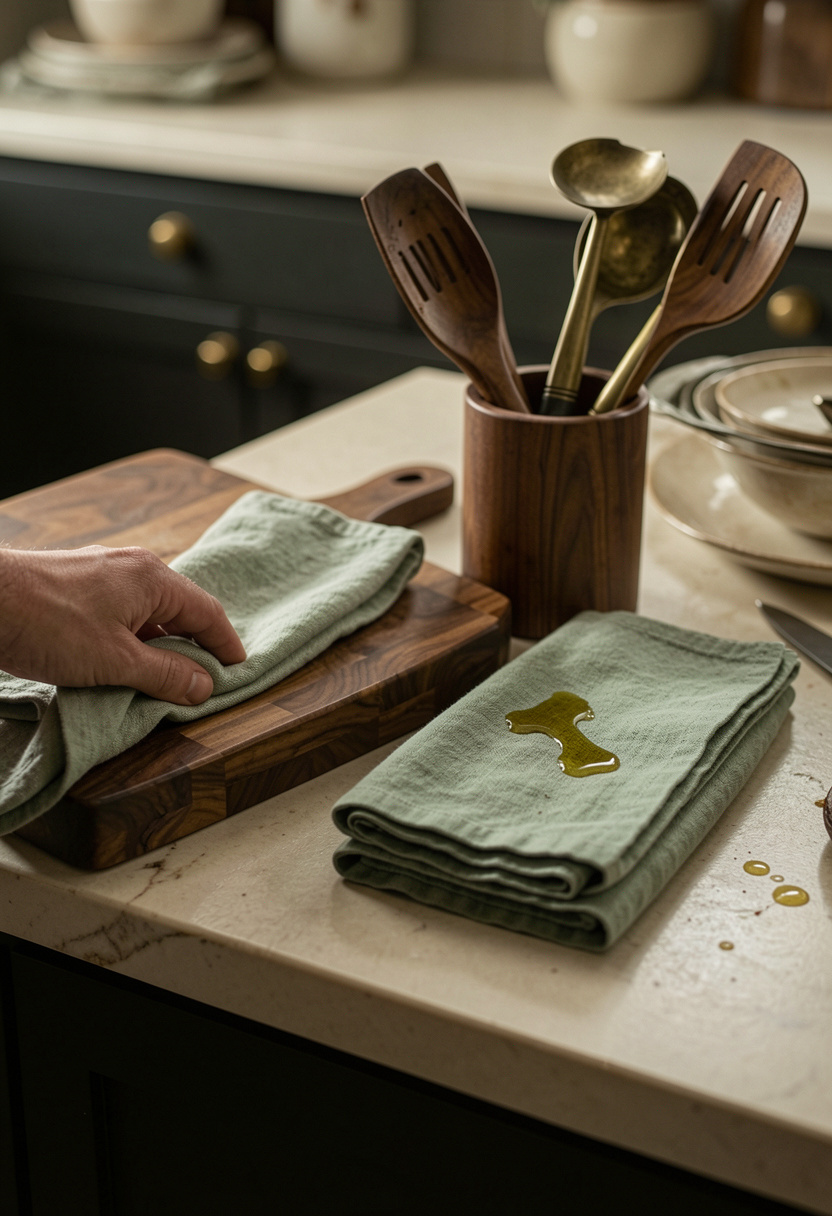
Once counters are edited, add a warm base. Swap a plastic utensil jar for a wooden utensil holder cylinder and introduce a heavy end-grain walnut chopping block 16 inch.
Textiles soften everything. A sage linen tea towels set of 4 folded by the sink gives color without pattern conflict. Linen reads lived-in and hides water marks better than stark cotton.
The visual rule is texture contrast. Pair smooth stone or quartz with raw wood and slubby linen. That balance keeps the barn feel authentic, not theatrical.
People often reach for too many wood tones. Pick one dominant warm wood and repeat it across zones so the eye finds continuity.
3. Add Height and Drama with Open Shelving
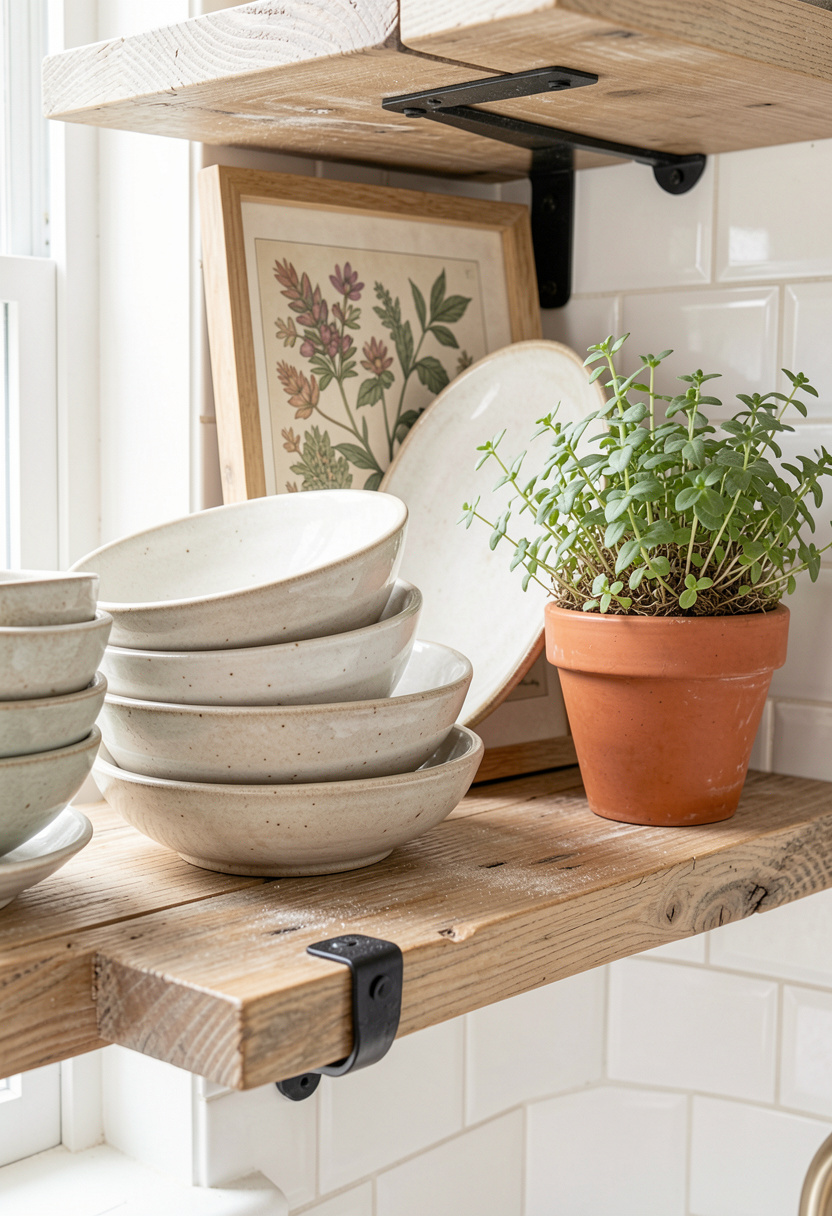
Open shelving should feel edited, not like overflow. Aim for two to three shelves max on a sightline. Start the bottom shelf about 18 inches above the counter so dish stacks are easy to reach and visually anchored.
Use mixed materials: pair an oak floating shelf set for kitchen wall with a stoneware canister set in sage green and a couple of cookbooks. Group items in odd numbers and vary heights.
The visual principle is rhythm. Repeat a finish, such as aged brass or matte black, across hooks, brackets, and lamp hardware to tie shelves to the rest of the room.
Too many people place every dish on display. Do half utilitarian, half curated objects, and use woven baskets on the highest shelf for hidden storage.
4. Grow a Shelf Herb Garden That Actually Gets Used
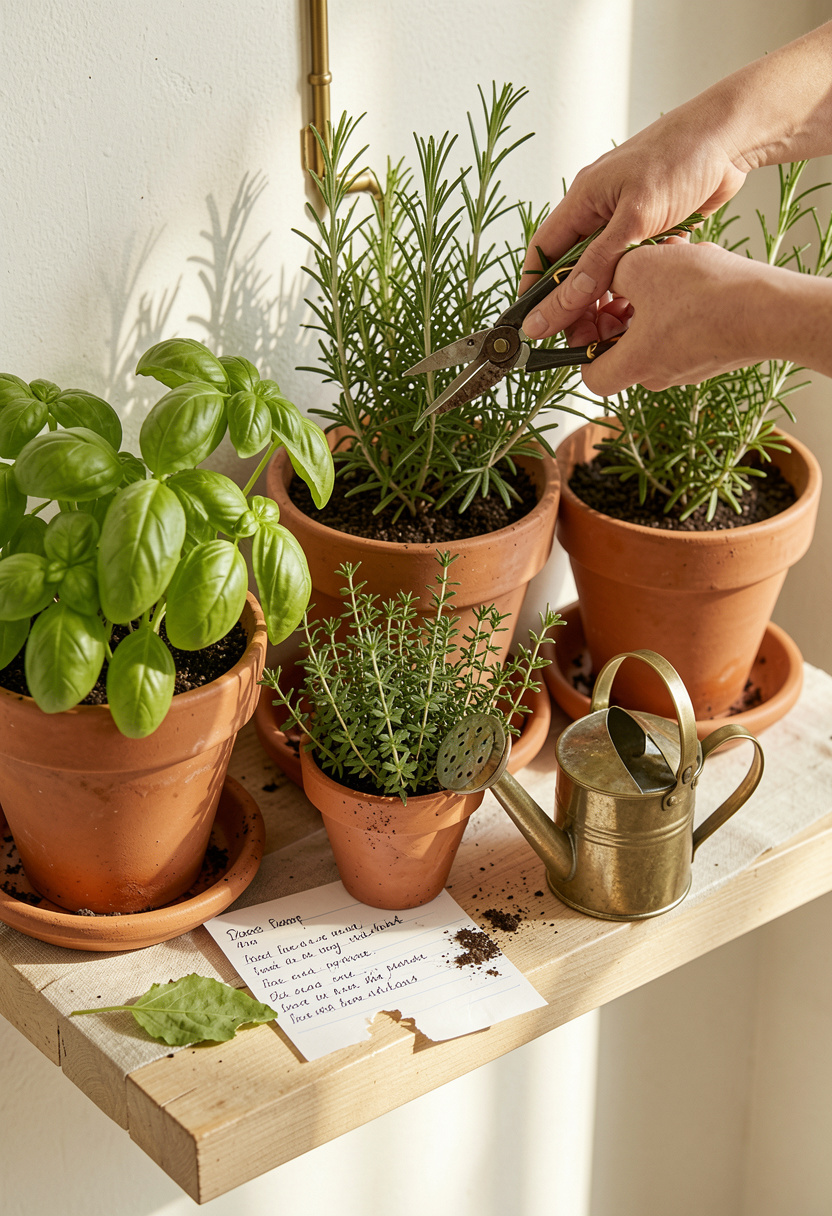
A shelf herb garden is one of the most useful decorative moves I made. Put three terracotta herb pots set of 3 with saucers on a sunny shelf and you gain color, scent, and a real cooking habit.
Keep pots grouped in a single area and use saucers to protect wood. Rotate plants so each one gets light and keep a small watering can nearby.
This is underused because many editors stop at a single plant. Use herbs as both function and form. The visual principle is living texture; it breaks hard finishes and adds movement.
Mistake: scattering small plants around the room. Instead, make one living corner your green anchor and keep other decor calm.
5. Create Ambiance with Warm Diffused Lighting
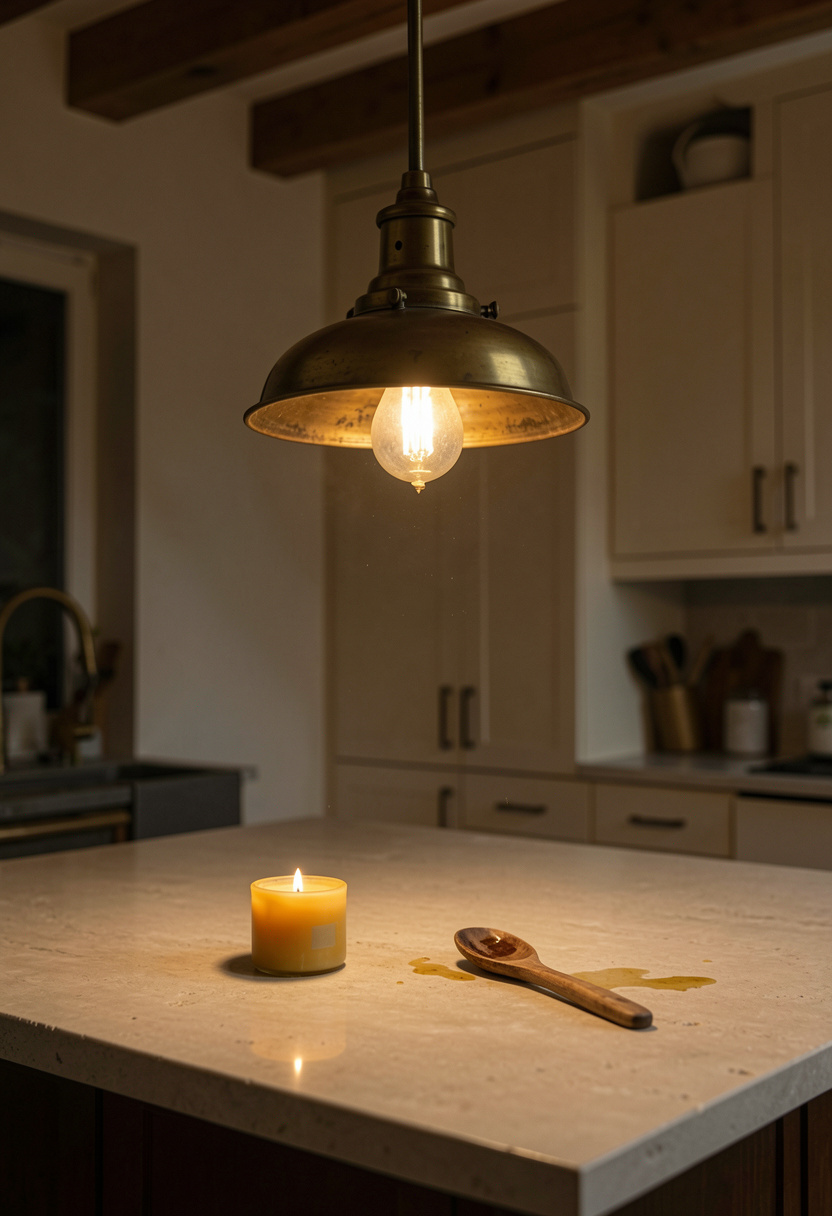
Tall barn ceilings demand scale. One oversized aged brass pendant light with warm bulb or a pair of black cone pendant light for kitchen island defines the island and prevents the ceiling from swallowing the space.
Layered light is key. Add under-cabinet task lighting for work and a candle or two for evening warmth. If you rent, try a plug-in rattan pendant light shade for a no-hard-wiring option.
The visual effect should be pools of warm light that highlight textures. Avoid cold, flat overhead lighting that makes wood look muddy.
Common mistake: choosing fixtures that are too small for the room. Scale matters more than style here.
Common Styling Mistakes to Avoid
Mistake: Filling every shelf with plates and bowls
Why it doesn't work: The shelves read cluttered and lose their focal role.
Do this instead: Curate in odd numbers and mix in a framed vintage botanical print set to break the repeat.
Mistake: Using high-shine metals next to reclaimed wood
Why it doesn't work: The finish clash looks mismatched and stagey.
Do this instead: Choose matte or brushed finishes, like a black cone pendant light for kitchen island, and repeat that finish across hardware.
Mistake: Overdoing faux signs or slogan boards
Why it doesn't work: It reads like a set piece, not a lived-in kitchen.
Do this instead: Use one authentic vintage find, thrifted pottery, or a Matte white ceramic canister set with acacia wood lids for personality.
What You'll Need for This Look
Foundation Pieces
Acacia cutting board with juice groove 18 inch around $30 to $80
Matte white ceramic canister set with acacia wood lids around $35 to $50
Textiles & Soft Goods
Sage linen tea towels set of 4 around $20 to $45
Oatmeal striped kitchen runner washable around $40 to $90
Lighting
Aged brass pendant light with warm bulb around $120 to $350
Plug-in rattan pendant light shade around $40 to $90
Finishing Touches
Terracotta herb pots set of 3 with saucers around $15 to $35
Faux olive tree 4 foot in cement pot around $70 to $140
Stoneware canister set in sage green around $40 to $90
Budget Swaps
Glass storage jars with bamboo lids set of 6 approx $20 to $45 (similar at TJ Maxx or HomeGoods)
Shopping Guide for This Look
Shop the room by zone: Buy a single oversized pendant first, then counters, then shelves. Aged brass pendant light with warm bulb around $120 to $350.
Thrift first, finish with one new statement: Hunt plates, framed art, or vintage crocks at HomeGoods or a flea market, then pair with a new Matte white ceramic canister set with acacia wood lids around $35 to $50.
Seasonal timing: Buy faux greenery off-season for the best prices, or grab fresh herbs in spring for a lower cost than faux. Faux olive tree 4 foot in cement pot around $70 to $140.
Splurge vs save: Splurge on one light fixture, save on canisters and towels. Black cone pendant light for kitchen island around $80 to $240.
Conclusion
Start with one change that matters, like a warm wood cutting board and a single pendant. Those two moves shifted everything in my kitchen.
Keep materials honest, repeat finishes, and limit decor to curated groups so the room reads lived-in, not theatrical.
Which corner of your kitchen would you refresh first?